


Aptive Pest Control
in Mountain View, CA

You deserve a home protected from intrusive pests.
Pest Control in Mountain View, CA
Mountain View sits in Silicon Valley between San Jose and San Francisco, with nearby communities such as Palo Alto, Los Altos, Sunnyvale, and Cupertino. The local setting includes the lowland between the Santa Cruz Mountains and San Francisco Bay, including Stevens Creek, Permanente Creek, and the Shoreline area. The city includes detached homes, apartment and townhome communities, mature gardens, creek-adjacent blocks, and compact lots near busy corridors. These differences can affect where pests find moisture, shelter, food, and access, even between homes only a few streets apart.
The marine-influenced climate stays relatively mild, but long dry periods can make irrigation and indoor moisture important before winter rain returns. A locally focused inspection may pay particular attention to shared walls, utility penetrations, creek-side vegetation, crawlspace vents, garage thresholds, and plumbing areas in compact housing when those features connect to the reported activity.

How Does it Work?
The pest management process with Aptive is simple:

Call Aptive Today to get started!

They will tailor a pest control plan right for you and your home!

You home will receive an Inspection & Evaluation before treating your pest problem.

Aptive treats your pests, your problems, and your concerns individually based on your needs. Re-services performed at no additional cost.

Call 408-827-1804
To take advantage of Aptive's limited-time pest control offer of $200 off your initial treatment!

About Aptive
Aptive has been working to make neighborhoods more enjoyable since 2015. They focus on serving homeowners and families, and their treatments are tailored specifically to your home. They play an important role in ensuring every home can be enjoyed.
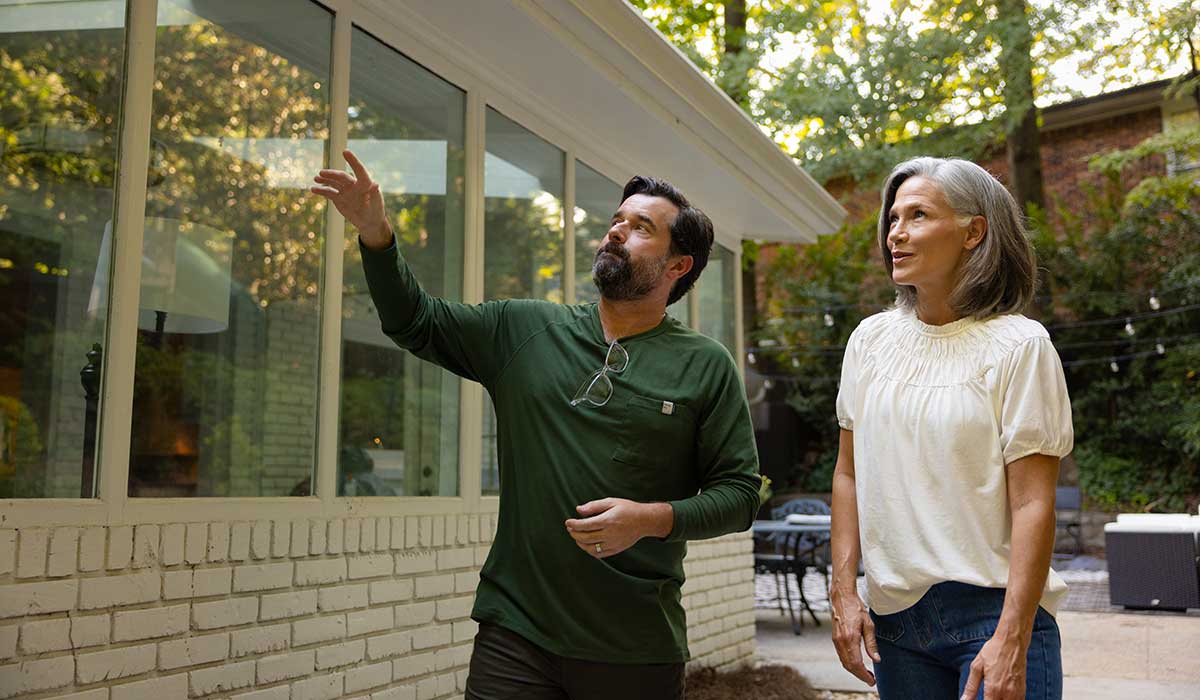

Pest Control Services for Mountain View Homes
A sighting indoors may be the final step in a route that began outside the structure. In Mountain View, the marine-influenced climate stays relatively mild, but long dry periods can make irrigation and indoor moisture important before winter rain returns. Homes described as detached homes, apartment and townhome communities, mature gardens, creek-adjacent blocks, and compact lots near busy corridors may therefore require different inspection priorities. A property near the lowland between the Santa Cruz Mountains and San Francisco Bay, including Stevens Creek, Permanente Creek, and the Shoreline area may also experience different exterior pressure than a home surrounded mainly by pavement and closely spaced buildings.
Indoor sightings do not always show where activity began. Exterior shelter, plumbing, roof access, adjoining lots, shared building connections, and recent landscape work may need to be considered before a recommendation is made. The timing of signs can also help distinguish a brief weather-related movement from a condition that is likely to continue.
Common Household Pests in Mountain View
The following pests may be relevant to local homes, but the actual mix should be confirmed from evidence at the property rather than assumed from the ZIP code alone.
Ants
Ants may travel along pavement seams, foundations, utility lines, tree branches, and plumbing routes. Trails can become more visible when outdoor soil dries, irrigation changes, or rain disrupts nesting areas.
Spiders
Spiders often build webs where other insects are available, including eaves, fences, garages, vegetation, storage, and exterior lighting. Web location and prey activity may help identify where inspection should begin.
Rodents
Rodent movement can change after heat, rain, mowing, construction, or vegetation removal. Roof gaps, vents, garage doors, utility openings, sheds, and dense landscaping may deserve attention when signs recur.
Silverfish
Silverfish may appear where paper, cardboard, fabric, or stored goods are exposed to humidity. Plumbing leaks, poor ventilation, and long-undisturbed storage can make certain rooms or cabinets more favorable.
Cockroaches
Cockroaches can use drains, wall gaps, utility penetrations, storage, and damp exterior shelter. Repeated sightings may require attention to moisture, sanitation, adjoining spaces, and the route between exterior and interior areas.
Seasonal Pest Activity in Mountain View
Spring
Spring growth along creeks, parks, and landscaped yards may support more ant and spider activity around exterior walls and patios.
Summer
Dry weather can concentrate ants near irrigation and plumbing moisture, while open doors and windows may increase access for occasional invaders.
Fall
Late warmth can extend insect activity, and cooler nights may shift rodents toward attics, garages, shared building voids, and utility routes.
Winter
Rain can dampen creek corridors, crawlspace edges, and landscaped soil, sometimes changing pest movement around low openings and foundations.
How Pest Control Technicians May Help
An effective inspection starts by identifying the pest, the timing of activity, and the most likely route. The technician can then inspect reasonably accessible areas connected to the concern, with attention to shared walls, utility penetrations, creek-side vegetation, crawlspace vents, garage thresholds, and plumbing areas in compact housing. Evidence such as trails, droppings, webs, staining, shed material, damage, moisture, or repeated entry points may help confirm the pest and its route.
Recommendations may include exterior service, targeted interior service when requested, and practical observations about sanitation, leaks, vegetation, drainage, storage, or structural openings. Service should be based on the confirmed pest and property conditions rather than a fixed list of treatments.
Conditions can change after storms, heat, wind, construction, mowing, irrigation adjustments, or nearby landscape work. Follow-up recommendations may therefore be adjusted when new evidence appears instead of assuming the original pattern will remain constant.
FAQs About Pest Control in Mountain View
What household pests may be found around Mountain View homes?
Homeowners may encounter ants, spiders, rodents, silverfish, and cockroaches. The mix can change with weather, moisture, landscaping, sanitation, building design, nearby open land or waterways, and available entry points.
How can Mountain View creeks and dense housing affect pest inspections?
Creek vegetation can provide moisture and cover, while townhomes and apartments may have shared utility or wall connections. Technicians may need to compare exterior routes, neighboring conditions, and interior signs before recommending service.
When should a Mountain View homeowner consider professional pest control?
Professional help may be useful when activity keeps returning, pests are entering living areas, the source is difficult to locate, or signs involve attics, crawlspaces, wall voids, drains, roofs, or other hard-to-reach areas.
What can homeowners do before a pest control visit in Mountain View?
Homeowners can note where and when activity appears, reduce accessible food and water, clear reachable clutter, check for leaks or standing water, and point out suspected gaps or shelter. These observations can help the technician compare current signs with property conditions.
FAQs About Pest Control in Mountain View
Other California Cities Aptive Serves
In addition to providing pest control services for Mountain View, they also offer pest removal to the following California cities.

© 2026 PestControlExperts.com, all rights reserved. Some restrictions may apply. Read our Privacy Policy and Terms & Conditions.
Limited time offer. Offer available to new customers only through the phone number on this page. Offer is not available through other channels. Discount based on the standard Initial Treatment price of $399. Requires a minimum 12-month Service Agreement with a minimum of 4 Standard Treatments. Cancellation during the initial term requires payment to Aptive of the total discount received, up to $199.