


Aptive Pest Control
in Topanga, CA

You deserve a home protected from intrusive pests.
Pest Control in Topanga, CA
Topanga sits in the Santa Monica Mountains in western Los Angeles County and is closely connected with Malibu, Pacific Palisades, Calabasas, and Woodland Hills. The local landscape includes Topanga Canyon, wooded slopes, chaparral, seasonal creek channels, narrow roads, and homes set into rugged terrain. These features create different combinations of shade, moisture, vegetation, drainage, and structural access across residential properties.
Homes here include canyon homes, hillside residences, cabins, larger lots, and properties with decks, crawlspaces, or detached structures. Pest activity may change with dry summers, shaded canyon pockets, seasonal winds, and winter rain that can activate creek and drainage routes. A property-specific review may therefore pay close attention to under-deck spaces, crawlspace vents, roof and tree contact, canyon-facing storage, retaining walls, and utility entries.

How Does it Work?
The pest management process with Aptive is simple:

Call Aptive Today to get started!

They will tailor a pest control plan right for you and your home!

You home will receive an Inspection & Evaluation before treating your pest problem.

Aptive treats your pests, your problems, and your concerns individually based on your needs. Re-services performed at no additional cost.

Call 818-208-0818
To take advantage of Aptive's limited-time pest control offer of $200 off your initial treatment!

About Aptive
Aptive has been working to make neighborhoods more enjoyable since 2015. They focus on serving homeowners and families, and their treatments are tailored specifically to your home. They play an important role in ensuring every home can be enjoyed.
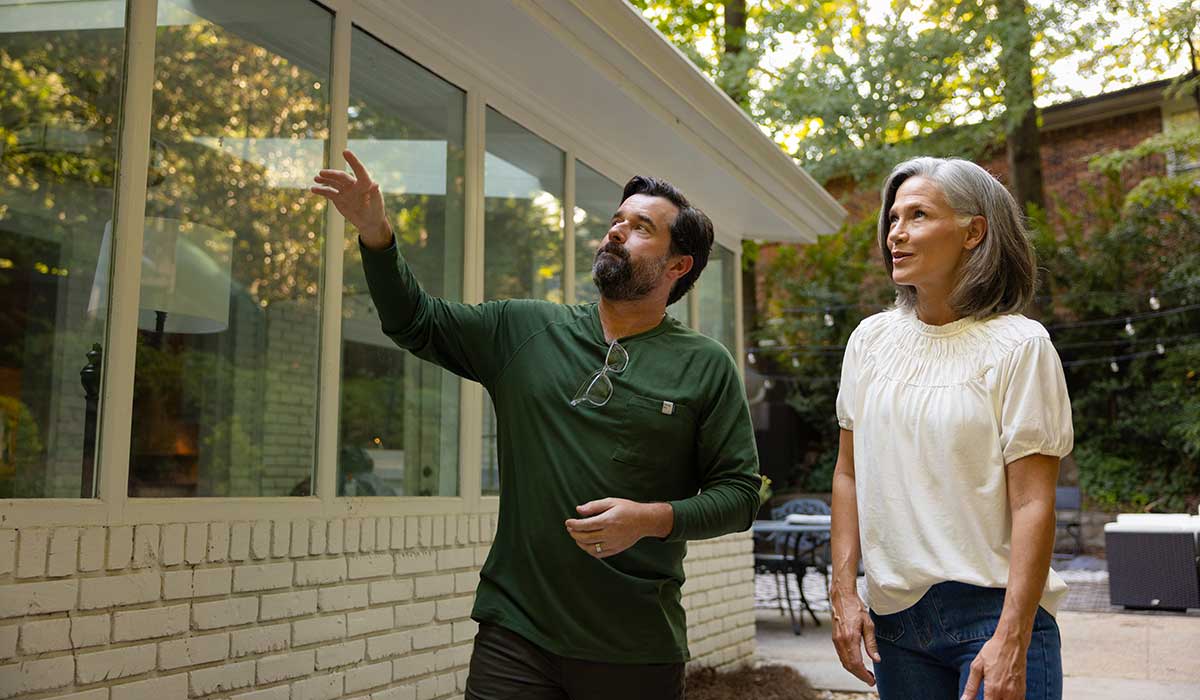
Pest Control Services for Topanga Homes
Pest activity around Topanga homes can vary substantially by block, terrain, and housing type, making property-specific observations important.
The area combines Topanga Canyon, wooded slopes, chaparral, seasonal creek channels, narrow roads, and homes set into rugged terrain, while local residences include canyon homes, hillside residences, cabins, larger lots, and properties with decks, crawlspaces, or detached structures. That mix can affect where pests find water, cover, food, and routes into garages, attics, kitchens, crawlspaces, or lower-level storage.
Technicians may inspect accessible exterior and interior areas for trails, webs, droppings, moisture, harborage, and entry gaps. In Topanga, particular attention may go to under-deck spaces, crawlspace vents, roof and tree contact, canyon-facing storage, retaining walls, and utility entries.
Common Household Pests in Topanga
The pests noticed around a Topanga home can vary by lot, building, and season. Common possibilities include the following, but identification should be based on evidence rather than assumptions.
Ants
Ant trails can become visible along foundations, patios, and irrigated planting beds. Activity often changes after heat, watering, or rain, so technicians may compare current trails with moisture and entry conditions.
Spiders
Spiders often use quiet corners, vegetation contact, and structures facing open land. Inspection may include web patterns, egg sacs, and the insect activity that provides food.
Rodents
Dense plants, stacked materials, feed, and sheltered edges can support rodent movement. Exclusion observations should focus on the actual route rather than assuming every opening is active.
Cockroaches
Cockroaches can use drains, plumbing penetrations, appliance gaps, garages, and other warm protected spaces. Moisture, food residue, and clutter often influence where activity persists.
Ticks
Vegetated property edges can create contact zones for ticks, especially where wildlife or pets travel. Inspection may compare maintained yard areas with brush, leaf litter, and trail-facing boundaries.
Seasonal Pest Activity in Topanga
Pest pressure is not constant, and local heat, moisture, wind, and landscape maintenance can change where activity appears.
Spring
Warmer days and fresh plant growth can increase insect movement around Topanga Canyon. Rain-dampened soil may also move ants and occasional invaders toward drier structural edges.
Summer
Extended heat can concentrate pests around irrigation, shaded foundations, garages, and utility areas. Rodents and insects may investigate buildings when outdoor water or cover becomes less dependable.
Fall
Dry vegetation, shorter days, and cooling nights can change where spiders, crickets, and rodents seek cover. Roof gaps, garage doors, and stored materials often deserve renewed attention.
Winter
Cooler weather usually slows some outdoor insects, but rain can activate drainage routes and increase damp shelter. Interior activity may continue in kitchens, garages, wall voids, and utility spaces.
Property Conditions to Review in Topanga
Property conditions often determine whether activity remains outdoors or reaches living spaces. Around Topanga homes, review may include under-deck spaces, crawlspace vents, roof and tree contact, canyon-facing storage, retaining walls, and utility entries.
Vegetation touching the structure, standing water, damaged screens, worn door sweeps, uncovered vents, and stored materials against walls can all make access easier. The significance of each condition depends on whether pest evidence is present nearby.
Homeowners can compare sightings with watering schedules, weather changes, waste collection, nearby construction, landscape work, and seasonal vegetation. That timing may help separate an isolated incident from a route that is being used repeatedly.
Local Pest-Control Considerations for Topanga
Dense canyon vegetation, steep slopes, and seasonal drainage can create sheltered travel routes around homes, particularly where decks, crawlspaces, and tree canopies connect with structures. This is why two nearby homes may have different concerns even when they experience the same weather.
Housing also matters. Canyon homes, hillside residences, cabins, larger lots, and properties with decks, crawlspaces, or detached structures can present different combinations of attics, crawlspaces, shared walls, garages, patios, utility penetrations, and landscape contact. A useful inspection considers the construction and maintenance conditions that are actually present rather than applying a fixed checklist to every property.
How Pest Control Technicians May Help
A technician may begin by confirming the pest and comparing homeowner observations with accessible evidence. Exterior service can focus on active routes and sheltered areas around the structure, while interior service may be available upon request where activity is present.
For Topanga properties, service may account for dry summers, shaded canyon pockets, seasonal winds, and winter rain that can activate creek and drainage routes. Recommendations might include sanitation steps, moisture correction, vegetation or storage observations, entry-point maintenance, or continued exterior attention where evidence supports it. Treatment language and service choices should remain conditional because no single approach fits every home.
FAQs About Pest Control in Topanga
Other California Cities Aptive Serves
In addition to providing pest control services for Topanga, they also offer pest removal to the following California cities.

© 2026 PestControlExperts.com, all rights reserved. Some restrictions may apply. Read our Privacy Policy and Terms & Conditions.
Limited time offer. Offer available to new customers only through the phone number on this page. Offer is not available through other channels. Discount based on the standard Initial Treatment price of $399. Requires a minimum 12-month Service Agreement with a minimum of 4 Standard Treatments. Cancellation during the initial term requires payment to Aptive of the total discount received, up to $199.