Pest Control in Americus, Georgia
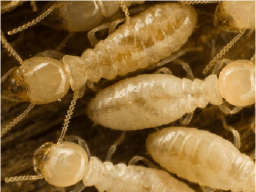
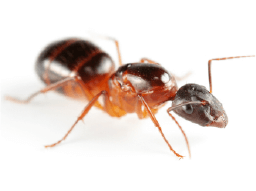
Historic buildings are a defining feature of Americus, where older homes and storefronts may contain original wooden components, enclosed crawl spaces, and additions constructed at different times. These details matter when investigating subterranean termites because concealed soil access, aging woodwork, or moisture beneath floors can complicate early detection. Termites do not require a building to be old, but structures with multiple repairs and hard-to-reach spaces may be more difficult to assess thoroughly. Carpenter ants can also occupy damp or deteriorating wood, making accurate identification essential before attributing damage to termites. In Americus, evaluating structural history and moisture conditions can be more informative than looking only for insects in occupied rooms.
Outside the downtown district, neighborhoods extend into the cultivated and wooded landscapes of Sumter County. Nearby Plains, Andersonville, Leslie, and Ellaville include residential properties with varied ages and degrees of surrounding vegetation. Ants may travel beneath porch steps or along foundation joints in search of accessible food, while outdoor wood storage or vegetation contact can obscure inspection areas. Americus stands apart from smaller neighboring communities through its concentration of historic commercial architecture and substantial older residential blocks. Repairs intended to preserve original building features should be coordinated with pest findings so concealed access points are not overlooked. Seasonal humidity and rainfall can aggravate existing moisture problems, particularly where gutters discharge near crawl spaces. Owners benefit from recording earlier repairs, examining accessible structural wood, and seeking identification before making decisions about treatment or restoration work.
Bio-Rational Materials
Pest management in historic Americus buildings requires consideration of both the identified insect and the materials that make up the structure. Bio-rational treatments may be suitable for selected pests, but they cannot repair damaged wood or resolve persistent moisture. Owners should evaluate whether prevention can protect existing features while minimizing unnecessary applications. Product selection must account for label instructions, effectiveness, and potential environmental exposure. Treatment should follow evidence of infestation rather than the presence of old damage alone.
Commercial EcoControl
Commercial EcoControl supports integrated pest management in occupied commercial buildings, including historic storefronts that have undergone alterations over time. Americus property managers may need to examine concealed service openings and storage areas while preserving original architectural features. Inspections and maintenance records help distinguish recurring pest activity from conditions that have already been corrected. Terminix can be consulted about professional commercial pest management recommendations. Where intervention is justified, carefully selected controls can complement repairs, sanitation, and continued evaluation.