Pest Control in Brooks, Georgia
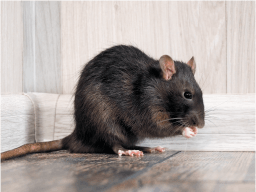
A pest inspection in Brooks may begin in a feed room rather than a kitchen. Mice and rats can exploit spilled grain, poorly sealed bags, and the protected voids around barn walls. Their tracks and droppings should be traced to storage and entry points; treating the house without inspecting nearby feed areas could leave the source untouched. Flies may also increase where manure or damp bedding accumulates, which makes removal schedules and waste placement central to prevention. Management must account for the normal movement of horses and people through stalls and tack rooms instead of assuming an empty commercial storage building offers the same conditions.
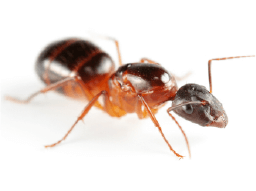
Brooks lies near Senoia, Fayetteville, Peachtree City, and Griffin, with Turin and Woolsey close by. Its equestrian landscape differs from the dense subdivisions of northern Fayette County, where outdoor animal facilities are less prominent. Fire ants can establish colonies around pasture gates or grassy paths, places that horses and handlers may cross frequently. Mounds should be located before maintenance or fence work begins. Terminix can evaluate infestations in buildings and recommend suitable control, while owners maintain protected feed storage, remove breeding material, and address structural openings. A working barn needs a prevention plan built around its daily chores and animal-care routines, not simply an extension of the home's interior pest service.
Bio-Rational Materials
Brooks property owners should consider how people and animals use a space before selecting insect treatments. Bio-rational materials may be effective against certain pests through selective biological effects, but the target species and application site must be confirmed. Feed storage, manure management, and prompt removal of nesting conditions remain primary controls for several common problems. Any product used around occupied barns or pastures requires responsible handling and careful consideration of potential exposure. Animal-care routines also inform practical pest management scheduling decisions.
Commercial EcoControl
For equestrian facilities and other businesses in Brooks, the timing of cleaning, feeding, and deliveries can shape pest activity. Terminix Commercial EcoControl emphasizes integrated pest management, including inspection, sanitation, and correcting conditions that support infestations. A commercial plan might distinguish a feed room from a tack room and assess each separately. Maintaining records of rodent evidence and changing waste practices may reduce the need for repeat treatment. Focused applications can complement prevention when established pests remain. Inspection timing should account for busy boarding periods.