Pest Control in Clayton, Georgia
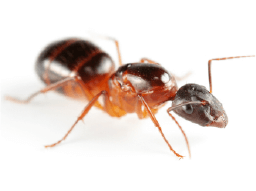
Mountain cabins and hillside homes around Clayton often have rooflines close to overhanging trees, shaded decks, and spaces beneath elevated foundations. These conditions deserve particular attention because carpenter ants can establish colonies in damp or deteriorating wood and forage into nearby structures. Clayton's position along U.S. Highway 441 connects it with Tiger, Mountain City, Dillard, and Tallulah Falls, but properties outside the commercial center frequently occupy steeper, more wooded terrain. Carpenter bees may also bore into exposed, unfinished wood on porches, fascia boards, and deck framing. Their activity is especially noticeable where mountain homes incorporate extensive exterior timber. A cabin that appears sound from the driveway may have vulnerable surfaces hidden beneath stairs or along shaded elevations.
Occasional occupancy adds another concern for Clayton's vacation properties. Mice can enter through small openings around crawl spaces and utility penetrations, remaining unnoticed until the next visit. Yellowjackets may establish nests in ground cavities or concealed structural spaces, creating problems around walking paths and outdoor gathering areas during warmer periods. Unlike more continuously occupied neighborhoods farther down the highway, cabin properties can experience weeks between routine inspections. Owners should check exposed timber, screen ventilation openings, inspect the underside of decks, and arrange pest evaluations when fresh evidence appears. Terminix can help distinguish isolated insect activity from developing infestations and recommend measures appropriate for the building's construction and use.
Bio-Rational Materials
A treatment plan for a Clayton cabin should account for how close woodland vegetation stands to decks, porches, and drainage areas. Bio-rational pest management means matching selective materials to a properly identified pest and avoiding unnecessary application beyond the affected area. Correcting damp wood and inspecting during periods of vacancy can contribute as much to prevention as the choice of material. Terminix can weigh those measures against the infestation and the property's occupancy pattern.
Commercial EcoControl
Clayton lodging operators should make inspections part of routine room turnover and building upkeep, not just react when visitors report pests. Integrated Pest Management supports that process through food-handling standards, prompt moisture repairs, exclusion, and inspection of exterior timber and storage rooms. Terminix offers commercial service that can apply these principles, using confirmed pest findings to determine where treatment is warranted and how corrective work should be prioritized.