Pest Control in Crawford, Georgia
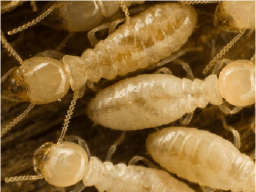
Older building materials and established residential lots are important considerations for pest control in Crawford. The town developed around a historic railroad depot, and its central streets include buildings with foundations, porches, crawl spaces, and exterior details that may require closer inspection than newer construction. Carpenter bees can excavate nesting galleries in exposed, unfinished wood, including porch trim, fascia, and other sheltered boards. Subterranean termites can also threaten structures when soil moisture and concealed access allow colonies to reach wood without obvious surface evidence. The two insects cause different patterns of damage, making correct identification especially important before choosing a treatment.
Located between Athens and Lexington, Crawford is also near Winterville and Comer, but its smaller town center and surrounding open land create a different inspection environment from Athens' denser neighborhoods. Ant colonies may develop around mature tree roots and planting beds, occasionally extending into kitchens or utility areas. During wet periods, poorly ventilated crawl spaces and clogged drainage routes can increase the conditions that favor structural pests. Homeowners should pay attention to exposed wood joints, soil piled against foundations, and vegetation that conceals exterior deterioration. Terminix can investigate reported activity and recommend treatment or exclusion measures according to the species involved. Protecting Crawford properties often begins with distinguishing ordinary outdoor insect activity from evidence of infestation within the building itself.
Bio-Rational Materials
Aging trim around Crawford's depot-era streets should be examined before choosing any pest control material. Bio-rational options may suit certain identified insects, but they cannot substitute for repairing rotten boards or separating soil from vulnerable wood. Terminix can determine whether a finding calls for targeted treatment, monitoring, or building maintenance. Careful product selection helps avoid unnecessary exposure in gardens and occupied spaces, and every application must follow the approved instructions for that material.
Commercial EcoControl
Crawford's older shops may contain service voids and patched openings that are not visible during routine cleaning. Commercial integrated pest management should document where insects appear, inspect deliveries and storage, and have building repairs completed before the same problem returns. Terminix can help owners select treatment according to inspection findings. Keeping a consistent maintenance record is especially useful for buildings with several generations of additions or repairs.