Pest Control in Fort Gaines, Georgia
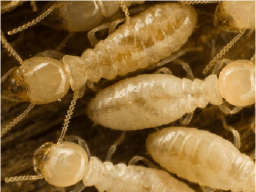
Fort Gaines occupies elevated ground near the Chattahoochee River and Walter F. George Reservoir, also known as Lake Eufaula. Its combination of historic buildings and recreation properties creates different inspection needs within a relatively small area. Subterranean termites can exploit damp soil and hidden wood connections around foundations, particularly where drainage or plumbing problems allow moisture to persist. Older porch framing and enclosed crawlspaces deserve particular attention because activity may remain concealed until damage becomes visible. Near recreational properties, paper wasps may construct nests beneath roof overhangs, porch ceilings, or covered outdoor structures. Those nests are most concerning where people regularly use entrances or seating areas. Identifying the species and exact location helps determine an appropriate response.
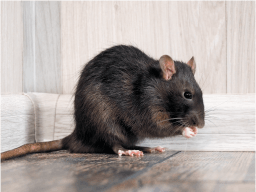
Fort Gaines lies near Eufaula, Alabama, with Cuthbert, Georgetown, and Blakely providing regional Georgia connections. Compared with inland communities such as Cuthbert, Fort Gaines has a stronger relationship with reservoir recreation and the buildings that support it. Seasonal cottages and storage structures may remain closed for extended periods, giving mice opportunities to enter through damaged vents or poorly sealed utility openings. Returning occupants should inspect enclosed spaces and stored materials before bringing food or supplies inside. Terminix can help determine whether a property has an active infestation or evidence of previous activity. For homes and businesses near the river, prevention should account for both the age of the structure and how frequently the building is used.
Bio-Rational Materials
Lake recreation places a premium on identifying where treatment is actually warranted at Fort Gaines properties. Bio-rational materials may offer selected options for a verified pest when the application site and product directions are appropriate. Terminix can review these possibilities while checking older crawlspaces, outdoor eaves, or storage rooms for the actual source of activity. Removing a vacant nest, closing a rodent entry, or repairing moisture damage may be part of a broader plan, depending on inspection findings. No material should be assumed environmentally harmless simply because it is described as lower impact.
Commercial EcoControl
Commercial buildings near Fort Gaines's riverfront and historic center may alternate between steady use and visitor-focused busy periods. Integrated Pest Management makes inspection a continuing responsibility rather than an isolated response to complaints. Terminix can help managers assess porch and roofline nesting sites, food or waste storage, damp foundation areas, and doors left unused between operating periods. Improving drainage and closing accessible openings should accompany appropriately targeted treatment when active pests are found. A practical commercial plan distinguishes conditions in heritage buildings from those in recreation structures, while limiting applications to affected locations and reviewing the results of preventive work.