Pest Control in Jefferson, Georgia
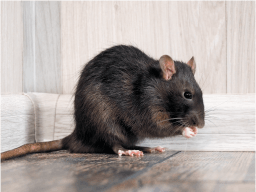
Industrial development along Interstate 85 has changed portions of Jefferson's landscape as wooded and agricultural land has been converted into distribution facilities, manufacturing sites, and associated roads. Large paved areas may direct stormwater toward landscaped edges and retention features, while construction and grading can disturb existing ant colonies. Fire ants may establish mounds in sunny turf, around drainage structures, or along pavement margins, making outdoor maintenance areas important inspection locations. Mice can find shelter among materials stored near industrial buildings and may enter through poorly fitted doors or wall penetrations. The surrounding undeveloped land is not necessarily the source of an infestation. Storage practices, structural gaps, and available food determine whether pests become established inside a facility.
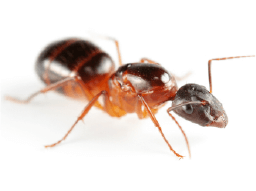
Jefferson's historic center and residential streets have different concerns from industrial properties extending toward Commerce, Pendergrass, and Hoschton. In neighborhoods near Arcade and Nicholson, outdoor ant activity may become troublesome around walkways and garden beds, particularly after soil disturbance or changes in landscaping. Jefferson's active industrial expansion creates a different relationship between developed property and open land than in smaller nearby communities with less warehouse activity. Businesses should evaluate loading areas and stormwater maintenance, while homeowners should consider yard conditions and building access. Warm weather can support extended ant activity, but colonies may persist through seasonal changes and become noticeable whenever outdoor areas are disturbed. Inspection findings should distinguish ants nesting in maintained grounds from pests already established indoors. That distinction determines whether management should focus on landscape conditions, structural exclusion, or targeted treatment.
Bio-Rational Materials
Extensive commercial grounds may contain several different insect habitats, but not every visible insect requires treatment. Jefferson property managers should use identification and inspection findings to determine whether bio-rational materials are appropriate for the particular problem. Vegetation maintenance, drainage correction, and exclusion can reduce conditions supporting recurring infestations. When treatment is necessary, product restrictions and environmental exposure should guide selection. Lower-impact materials require the same attention to responsible use as other pest control products.
Commercial EcoControl
Commercial EcoControl is especially relevant to Jefferson properties undergoing construction, expansion, or operational changes. Integrated pest management connects site inspections with maintenance responsibilities, storage practices, and targeted intervention. Facility managers can examine whether recurring findings follow changes in grading, inventory placement, or building access. Terminix may be consulted for professional pest management recommendations based on those findings. Addressing confirmed problems and documenting corrective work supports effective management without unnecessary treatment.