Pest Control in Twin City, Georgia
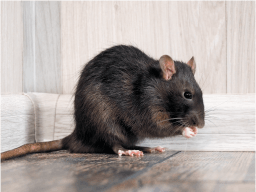
Twin City's settlement pattern still reflects the joining of Summit and Graymont. Older houses and former commercial spaces may contain rear rooms, utility openings, or enclosed storage created by renovations. Mice can move through gaps where service lines enter and find nesting cover in stored belongings. An inspector should follow those paths rather than treat the visible room without examining adjoining spaces. Twin City is near Swainsboro, Stillmore, Metter, and Garfield, but the former two-center layout creates a different building history from Swainsboro's larger commercial districts. The relevant condition is how a building has changed since its original use, including whether seldom-used areas remain secure.
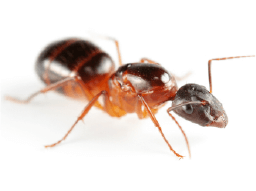
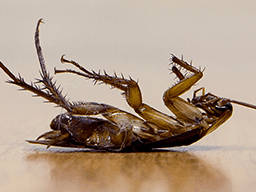
Wooded land near George L. Smith State Park adds another setting, especially on properties with damp wood left beneath porches or around sheds. Carpenter ants may use decaying timber for nesting, but their presence in a log outside does not establish a colony in a house. Owners should inspect deteriorating wood and correct the source of moisture before covering damaged areas. Cockroaches in occupied kitchens require separate attention to plumbing, sanitation, and concealed interior harborages. A Twin City property inspection should therefore proceed from the building's function and maintenance history rather than from a generic list of rural pests. Terminix can identify the species involved, determine where activity is established, and recommend targeted treatment and repairs.
Bio-Rational Materials
Bio-rational pest management works best when the cause and location of pest activity are clear. Twin City's converted commercial spaces and older houses may have gaps or damp materials that should be repaired before treatment is chosen. Suitable pest-specific materials can then be considered where needed, with applications governed by product directions. A record of earlier building alterations may help identify gaps concealed behind newly finished surfaces or enclosed storage. Terminix can recommend a focused response that protects occupied areas without automatically treating every adjacent woodland or storage space.
Commercial EcoControl
Commercial EcoControl should consider how Twin City's former storefronts and service buildings are used today. Integrated pest management combines inspections, maintenance, sanitation, exclusion, and records of observed activity. Managers should review unused rear rooms, service penetrations, and storage arrangements after changes in occupancy. That information can guide targeted treatment if pests are confirmed. When a former business space changes tenants or purpose, its waste handling and storage arrangements should be inspected again rather than inherited without review. Terminix can provide commercial recommendations that help property owners prevent recurrence while avoiding unnecessary applications.