Pest Control in Dunkirk, Indiana
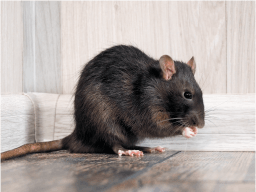
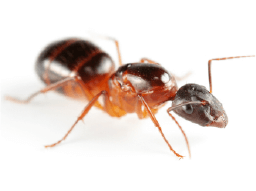
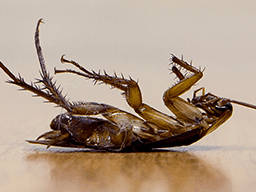
Dunkirk's glassmaking history remains visible in its industrial identity and longstanding residential development. Older building materials, service entrances, and storage areas can create opportunities for mice to reach sheltered interior spaces. This is especially important where warehouses or workshops retain seldom-used rooms, accumulated materials, or gaps around aging doors. Ants may enter homes through foundation joints and utility penetrations, often following moisture or accessible food. In buildings used for food preparation, German cockroaches require prompt attention because they can reproduce in warm, protected indoor areas even when exterior pest activity appears limited. An inspection should distinguish problems associated with interior building conditions from insects entering occasionally from outdoors.
Dunkirk lies near Redkey, Portland, Hartford City, and Albany, with Muncie serving as a larger regional center. Its location near the Jay, Blackford, and Delaware county boundaries places it among agricultural communities, but its manufacturing legacy introduces a different property mix from towns dominated by farm residences alone. Commercial owners should examine unused rooms, loading doors, and maintenance openings, while homeowners may need to assess garages and older basement construction. Terminix can help locate the activity and identify whether structural repairs, sanitation, or treatment is most appropriate. Where food storage and industrial spaces coexist, good recordkeeping and prompt removal of damaged materials can improve pest prevention. Dunkirk properties benefit from inspections that recognize both their age and current use.
Bio-Rational Materials
Bio-rational pest management uses control methods chosen for their relevance to a particular organism. Certain materials can interfere with insect growth or behavioral processes and may allow a more focused treatment plan. Their effectiveness depends on accurate pest identification, appropriate application, and the elimination of conditions that support continued activity. In Dunkirk's older properties, maintenance of cracks and moisture-prone areas is often an essential companion to treatment. A responsible approach avoids unnecessary applications and concentrates on confirmed problem areas.
Commercial EcoControl
Dunkirk's industrial and local commercial buildings may have pest entry points that are easily overlooked during everyday operations. Integrated Pest Management uses inspections to identify these openings, evaluate storage practices, and correct sources of food or moisture. Terminix can help assess commercial infestations and determine when targeted treatment is suitable. Routine review of loading areas, waste handling, and vacant storage spaces can reduce future problems. Effective prevention depends on keeping the building less accessible and less favorable to pests rather than relying only on repeated applications.