Pest Control in Monon, Indiana
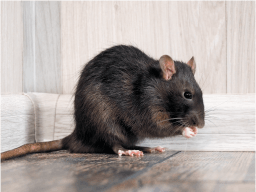
Monon's agricultural setting has a direct influence on pest activity. Grain storage, farm equipment buildings, and crop fields surround a compact community historically shaped by railroad connections. During harvesting and changes in field conditions, house mice may seek dependable food and shelter in sheds, garages, and residential buildings. Stored-product insects, including grain beetles and pantry moths, can become concerns when susceptible food or feed is kept in poorly sealed containers. In town, older utility penetrations, service doors, and gaps around foundations deserve attention because they provide routes from exterior storage areas into occupied rooms. The underlying issue is often access to stored food and sheltered spaces rather than heavy vegetation or standing water.
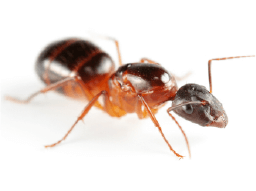
Nearby Monticello, Brookston, Wolcott, and Rensselaer share portions of White County's broader agricultural economy, but Monon's combination of a historic railroad junction and surrounding farm operations gives its building inspections a particular focus. Ants may follow plumbing penetrations or foundation joints into kitchens, especially where spilled food or moisture makes interior spaces attractive. Owners of agricultural structures should examine door sweeps, wall openings, grain residues, and cluttered storage areas, while homeowners benefit from checking attached garages and crawl-space access points. Terminix can assess evidence of activity and recommend suitable control measures. For Monon properties, careful exclusion and food-storage practices are especially important for preventing reinfestation after treatment.
Bio-Rational Materials
Controlling pests responsibly begins with selecting methods suited to the species and location of the infestation. Bio-rational materials may offer targeted options that interfere with insect development or behavior while avoiding unnecessary broad-area applications. Pheromone-based approaches can be useful in certain insect management situations, while insect growth regulators may be appropriate for particular treatment plans. Around Monon's homes and agricultural businesses, these choices should complement sound storage, sanitation, and entry-point repairs. A professional assessment helps establish where treatment is warranted and which methods can provide effective management with fewer unnecessary environmental effects.
Commercial EcoControl
For commercial properties in Monon, environmentally conscious pest management should pay close attention to how goods are received, handled, and stored. Food-related operations, small shops, and storage buildings can reduce infestation opportunities through inspections, prompt cleanup, protected inventory, and properly maintained exterior openings. Integrated Pest Management places these preventive activities ahead of unnecessary recurring applications. When pest evidence is found, Terminix can evaluate the affected areas and determine whether a targeted treatment is appropriate. Ongoing documentation of activity and corrective maintenance helps businesses distinguish occasional pest entry from a developing infestation. Effective control depends on limiting access to food and shelter as much as applying treatments.