Special OfferCall Now & Get $50 Off1 Pest Control2 or Quick Guard Mosquito Service3 or Save 10% on a termite plan4
Almost done. Just a few more details to get started.
Find Affordable, Expert Pest Exterminator in New Albany, Indiana
New Albany sits on the Indiana side of the Ohio River across from Louisville, with historic blocks near Main Street and hillside neighborhoods rising toward the Floyd County knobs. Close to Clarksville and Jeffersonville, the city combines older brick buildings, compact lots, and areas where drainage deserves attention.
Moisture around foundations and small openings in aging buildings can give cockroaches and rodents a foothold. Our preferred exterminators can help property owners identify recurring activity, while Terminix is an option for professional pest inspections and treatment needs.
Terminix keeps your New Albany home safe from intrusive pests
Terminix will prevent common household pests from entering your home, keeping your family safe.
Our services ensure that you have a clean, pest-free home without the worries of finding pests in your morning cereal. Everyone's familiar with the act of spraying, but there is a lot more to our experts' pest control services, including:
At Pest Control Experts, we want to make sure getting top-notch service and a pest-free home is easy for you? Once you give us a call, we can get you started with a free inspection with one of our preferred pest exterminators in New Albany, Indiana. They will create a customized plan to create your home for all pests including termites, roaches, and more.
With our exterminators in New Albany you'll receive
Free Inspection
Expert Technicians
Local Experts
Custom Treatment Plan
Zip Codes We Service In New Albany, IN
47150
47151
The Value of Pest Control in New Albany
Finding the right New Albany pest control provider isn’t always easy - from pricing to scheduling to consistency, there are a lot of concerns that need to be addressed.
With the right service provider, you’ll get the pest-free home you deserve, and with Termini, we’re here to do just that.
In New Albany, pest concerns often begin where the city's older riverfront buildings meet everyday moisture and limited service space. Along the Pearl and Market Street blocks, shared walls, rear alleys, and basement storage can conceal rodent movement or give cockroaches access to food and damp areas. Historic houses along East Main Street may have aging masonry foundations, older window wells, and utility openings that warrant closer inspection. The Ohio River floodwall reduces direct flood exposure downtown, but it does not prevent localized drainage problems after heavy rain. Water collecting beside a foundation or in a lower-level room can leave conditions favorable to insects long after the weather clears.
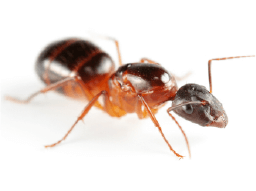
Conditions shift as streets climb north toward the Floyds Knobs, where wooded slopes and runoff can bring carpenter ants into contact with damp exterior wood. That differs from the dense downtown pattern, where sanitation, neighboring occupancies, and concealed access between adjoining structures may matter more. Nearby Clarksville and Jeffersonville connect New Albany to the larger Louisville metro, while Georgetown and Sellersburg mark a transition toward more spread-out residential settings. During humid spells, cockroach activity may increase in damp utility areas; during cooler stretches, rodents can exploit loose door sweeps and gaps around pipes. For a New Albany property, the useful starting point is a close look at basement conditions, shared walls, drainage paths, and the particular routes pests could use to enter.
Bio-Rational Materials
Bio-rational materials offer a more targeted approach to pest management by considering how treatments affect specific pests and the surrounding environment. Rather than relying on broad applications, pest professionals can evaluate which lower-impact materials are appropriate for the infestation and location. Proper identification, careful placement, and adherence to product instructions are essential to effective treatment. Property owners should ask how recommended materials will be used, whether any precautions apply to occupied spaces, and how preventive measures can help reduce the need for repeated applications.
Commercial EcoControl
For New Albany's restaurants, retail spaces, and older mixed-use buildings, environmentally conscious commercial pest management begins with inspection and prevention. Integrated Pest Management emphasizes food storage, sanitation, moisture correction, and closing entry points before selecting appropriate treatments. Buildings along downtown alleys may require coordination between occupants when pest activity extends through shared spaces, while properties with lower-level storage benefit from attention to leaks and deteriorating seals. Terminix can be considered for commercial pest management, with property owners confirming available services and the recommended approach directly.
FAQs About Pest Control in New Albany
A: Avoid sweeping or vacuuming dry droppings, which can disturb contaminated particles. Follow CDC guidance for wet disinfection, wear appropriate protection, and discard contaminated food packaging when necessary. Persistent droppings or evidence of nesting warrants professional evaluation.
A: Not necessarily. Carpenter ants may forage around a building without nesting in its wood, but coarse sawdust-like debris, repeated activity from one opening, or hollowed galleries can indicate a nearby nest. Have suspicious wood examined before replacing trim or covering the affected area.
A: Record sighting dates, locations, approximate numbers, and photographs when possible. Note whether insects appear near appliances, plumbing, or shared utility spaces, and provide that information to the property manager to help determine the extent of the problem.
A: Ask Terminix whether an evaluation is available for the affected property and how shared spaces would be considered. Before contacting the provider, establish which occupants can authorize access to common areas and identify a contact for coordinating reports.