Pest Control in Notre Dame, Indiana
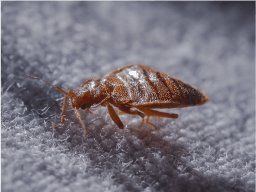
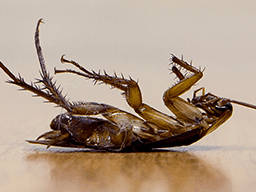
Notre Dame's campus environment creates a distinctive relationship between pest management and large-scale building occupancy. Residence halls experience regular movement of students and personal belongings, while dining facilities, offices, and event spaces operate under different schedules. Bed bugs can be introduced when infested belongings or furnishings enter a room, so suspected activity should be confirmed through inspection rather than assumed from unexplained bites alone. In shared kitchens and food-service buildings, cockroaches may exploit moisture near plumbing, food residue, and concealed openings around equipment. A report in one room may require examining adjoining spaces, depending on the organism and building layout. Coordinated maintenance and clear reporting procedures help prevent delayed response in complex facilities.
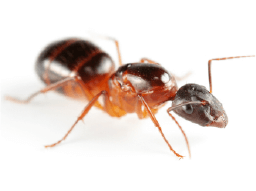
Notre Dame is immediately north of South Bend and close to Mishawaka, Roseland, Granger, and Elkhart. While these nearby communities have conventional residential and commercial pest issues, Notre Dame's campus has pronounced academic, athletic, and visitor-related occupancy cycles. A residence hall, campus dining facility, and public gathering building each need different inspection priorities. Ants entering ground-level rooms may follow exterior foundation openings, while indoor infestations in heavily occupied buildings can require broader coordination among building managers. Terminix can assess the identified pest, examine likely harborages, and recommend treatment based on how the affected space operates. Careful documentation and timely follow-up are particularly valuable when different people occupy or maintain adjoining areas.
Bio-Rational Materials
Bio-rational materials may support more selective control of certain pests when appropriate products and application settings exist. In occupied institutional environments, decisions should carefully consider the organism, treatment location, directions for use, and exposure of building occupants. Terminix can evaluate available methods following inspection and combine appropriate treatment with sanitation, maintenance, and exclusion. A lower-impact objective does not replace the need for effective pest identification and responsible application. The aim is to address confirmed problems without unnecessary treatment of unaffected spaces.
Commercial EcoControl
Commercial EcoControl is particularly relevant to facilities with varied occupancy, extensive food service, and coordinated building maintenance. Integrated Pest Management emphasizes inspection, sanitation, exclusion, identification of pest activity, and appropriately targeted treatment. In Notre Dame, an effective approach may require coordination across residence facilities, service entrances, storage areas, and dining operations. Terminix can evaluate individual buildings and recommend management measures reflecting their use. Consistent reporting and corrective maintenance help reduce recurring infestations while supporting environmentally conscious pest control throughout complex occupied properties.