Pest Control in Plymouth, Indiana
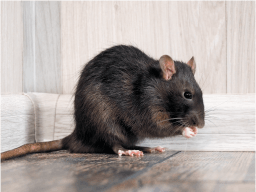
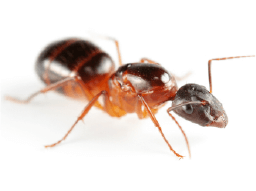
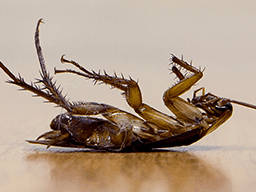
The Yellow River runs through Plymouth near its established residential neighborhoods and downtown commercial buildings. Properties around the river corridor can experience damp foundation areas, especially where drainage is limited or soil remains saturated after heavy rain. Carpenter ants may investigate moisture-damaged wood, while mosquitoes can develop in standing water around poorly drained yards, containers, and neglected drainage features. The city's older buildings also deserve attention around basement openings, utility penetrations, and exterior foundations where mice can enter. Along Michigan Street and the surrounding commercial blocks, food storage, waste handling, and adjoining building spaces can contribute to recurring rodent or cockroach activity when sanitation and exclusion measures are insufficient.
Plymouth also serves as a commercial and transportation center for nearby Bremen, Argos, Bourbon, and Culver, with South Bend and Warsaw providing larger regional connections. Unlike the lake-oriented properties around Culver, many Plymouth pest concerns involve the interaction between established buildings, river drainage, and the agricultural land surrounding the city. Grain storage, garages, and detached structures can attract mice, particularly when field activity changes after harvest. The transition from working agricultural properties to established residential streets makes exterior storage and building access important inspection priorities. Terminix can evaluate potential entry points, identify conditions supporting infestations, and recommend treatment and prevention measures suited to the property's actual surroundings rather than relying on a single approach for every building.
Bio-Rational Materials
Bio-rational materials are developed to manage certain pests while reducing unnecessary effects on non-target organisms and the surrounding environment when used appropriately. Depending on the pest and treatment setting, these materials may support more selective control strategies. Effective pest management still depends on identifying the organism, understanding where it develops or enters the property, and choosing a suitable application method. Terminix professionals can evaluate available treatment options alongside practical prevention measures, helping property owners make informed decisions about pest control and environmental considerations.
Commercial EcoControl
Commercial EcoControl emphasizes preventive pest management with careful attention to environmental responsibility. Integrated Pest Management principles combine routine inspection, pest identification, sanitation improvements, exclusion, and targeted treatment when necessary. For Plymouth businesses, that may involve addressing openings around loading areas, improving waste storage, or correcting moisture conditions that encourage insect activity. Terminix can assess commercial properties and recommend measures appropriate to the building's use and identified pest concerns. Addressing the conditions that support infestations helps reduce recurring problems and unnecessary treatment while supporting a cleaner business environment.