Pest Control in West Terre Haute, Indiana
West Terre Haute occupies the western side of the Wabash River valley, separated from Terre Haute by a broad stretch of low-lying river-bottom land. This setting creates particular concerns for properties near drainage channels, wooded ground, and older residential blocks. After prolonged rainfall, damp crawl spaces and foundation walls can provide favorable conditions for ants and other moisture-associated insects. Mosquitoes may also become troublesome around standing water in poorly draining yards. Homes farther uphill can experience different activity, especially where mature trees, stored materials, and landscaping provide shelter close to buildings. Unlike the more extensively developed neighborhoods across the river in Terre Haute, many West Terre Haute properties have direct exposure to river-bottom vegetation and less intensively managed land.
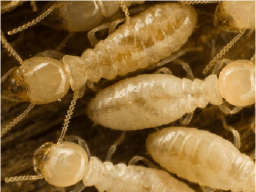
The surrounding Wabash Valley connects West Terre Haute with Terre Haute, Seelyville, Brazil, and Clinton, making pest prevention relevant to both residential properties and businesses serving the regional population. Mice may enter garages, basements, and storage buildings through small exterior gaps, particularly when nearby vegetation or stored materials provide cover. Termites also warrant attention where soil moisture, wood-to-ground contact, or concealed structural areas create favorable conditions. Terminix can help assess these issues and determine whether treatment or structural corrections should take priority. Following periods of heavy rainfall, property owners should pay particular attention to foundation drainage and concealed lower-level spaces, where recurring activity may reveal a problem that exterior spraying alone cannot resolve.
Bio-Rational Materials
Pest treatment near the Wabash River corridor should be directed toward confirmed activity rather than applied broadly across surrounding ground. Bio-rational materials can provide useful options when an insect's development or behavior allows for selective control. A professional should first identify the species, determine where it is active, and assess whether a particular material is appropriate. Correcting standing water and structural access points can reduce the need for treatment. The objective is to manage the infestation without unnecessary applications near drainage areas, yards, or other unaffected spaces.
Commercial EcoControl
Businesses along West Terre Haute's U.S. 40 corridor may need to inspect basement storage, service entrances, drainage areas, and refuse-handling locations. Integrated Pest Management emphasizes tracing evidence of pests, correcting access problems, and reducing available food and water before choosing treatments. Terminix can help commercial owners evaluate these conditions and select appropriate control measures. Regular maintenance becomes particularly important where older buildings and changing moisture conditions allow recurring access. A successful plan addresses the physical cause of the infestation while limiting unnecessary applications.