Pest Control in Cayuta, New York
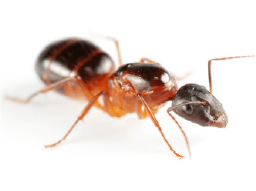
In Cayuta, pest activity often follows the valley floor, creek edges, and the mix of older homes, detached garages, and outbuildings spread across large lots. That creates a different pattern than you would see in Elmira or Ithaca, where tighter neighborhoods and more uniform construction change how pests travel. Here, mice regularly move between field borders, sheds, and basements, especially when nights cool off and food sources tighten. Carpenter ants are also a common concern where damp trim, porch framing, or older wood around rooflines stays shaded and slow to dry. Along wooded edges and brushy fence lines, tick exposure is another practical issue for households with pets, children, or frequent yard traffic.
The local setup also supports nuisance insects that are tied to moisture and light rather than strictly indoor sanitation. Homes near Cayuta Creek, low spots, or poorly drained ditches may deal with spring and summer surges of ants, occasional mosquito buildup, and flies gathering around trash areas or animal-use spaces. Stinging insects often settle into eaves, barns, and unused equipment because Cayuta has more open structures and less constant disturbance than nearby Montour Falls or Van Etten. In a place like this, a good inspection is less about checking one room for one pest and more about reading the full property, foundations, utility penetrations, outbuildings, and the transition between lawn, woods, and structure.
Bio-Rational Materials
Modern pest control often aims to solve infestations with materials and treatment decisions that are more targeted and measured than older broad-application methods. Bio-rational materials are part of that direction because they are chosen for lower overall impact when used appropriately, while still supporting effective control. In practice, that means pest professionals may rely on careful inspection, focused placement, and products selected for the pest involved rather than treating every area the same way. Terminix follows this more environmentally mindful direction by pairing control work with prevention and treatment planning that fits the structure and the pest issue being addressed.
Commercial EcoControl
Commercial properties usually need pest management that protects operations without creating unnecessary disruption, which is why prevention and inspection matter as much as treatment. Commercial EcoControl centers on integrated pest management principles, with attention to sanitation, moisture control, exclusion, monitoring during routine service, and correction of conditions that support recurring infestations. That approach can be especially useful for facilities with storage areas, food handling concerns, office traffic, or exterior harborage near dumpsters, loading areas, and utility lines. Terminix applies this type of program by emphasizing property review, practical prevention steps, and targeted service decisions that help reduce pest activity while keeping environmental impact in view.