Pest Control in De Witt, New York
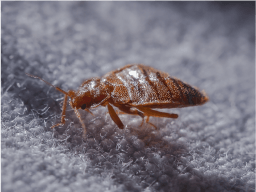
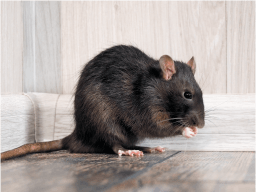
In De Witt, the pattern is driven by movement. This is not a low-density town where pests stay tied to woods alone. Between Syracuse, East Syracuse, Fayetteville, and Manlius, properties sit near major roads, retail zones, multifamily housing, and campus-related traffic that can carry pests from one setting to another. Cockroaches, mice, and bed bugs are more relevant here than they would be in many smaller towns because apartment turnover, deliveries, shared walls, and constant circulation all matter. In neighborhoods near commercial strips and institutional buildings, ants and occasional pantry pests can also become recurring problems when waste handling and structural gaps are inconsistent.
De Witt stands apart from nearby suburban communities because it combines residential neighborhoods with higher daily movement through business, hospitality, and education spaces. That changes inspection priorities. In Jamesville, East Syracuse, and nearby Syracuse proper, the issue is often less about wooded-lot intrusion and more about utility access, loading areas, common walls, and repeated human introduction. Stinging insects still appear around eaves and landscaped entries, but the more important local question is how pests travel between units, offices, storage rooms, and food-service spaces. Effective control here usually depends on building flow and sanitation discipline as much as exterior treatment.
Bio-Rational Materials
Lower-impact materials can play an important role in modern pest management, especially in places like De Witt where homes, offices, schools, and other occupied properties sit close together. Terminix may use targeted products within a broader service plan that prioritizes inspection, exclusion, and careful treatment placement. That helps reduce unnecessary application while still addressing the active conditions that allow pests to persist in busy residential and commercial environments.
Commercial EcoControl
In De Witt, environmentally conscious commercial pest control usually starts with understanding how a building functions each day. Terminix uses integrated pest management methods that focus on inspections, sanitation review, entry-point control, and reducing the moisture, food access, and clutter that support infestations. For retail, office, hospitality, and institutional properties, that prevention-focused structure can be more effective and more practical than relying on repeated reaction after pest activity is already established.