Pest Control in Harrisburg, New York
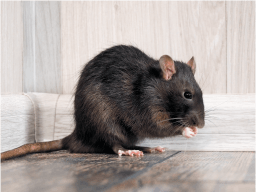
Harrisburg is more defined by working-farm conditions than by rural housing alone. Properties here often include feed rooms, grain storage, livestock-related outbuildings, machine sheds, and service bays that stay active year-round, and those uses change the pest picture. Mice are a major concern because feed, bedding, and warm equipment areas create dependable shelter long before they move toward the home. Fly issues can also become more persistent around agricultural operations, especially when waste handling, moisture, and warm-weather building use line up. Nearby Lowville, Denmark, Carthage, and Watertown are all part of the local map, but Harrisburg often presents a more active agricultural service pattern than nearby towns with mostly residential acreage.
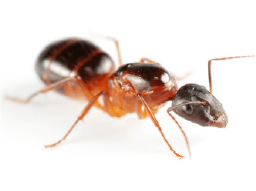
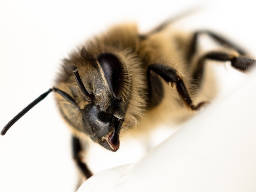
That working-property lens also changes how stinging insects and ants behave. Wasps frequently establish around machine sheds, feed-barn overhangs, and service doors that stay open through the season, while ants may build around damp sill areas and utility corners where washdown water or wet ground remain close to the structure. Harrisburg is not just a quiet cluster of homes with detached garages. Many recurring infestations start in the buildings that support farm work and then move outward. Effective pest control usually depends on inspecting feed storage, service traffic, waste-handling habits, and building-use patterns across the site, because those are the conditions that keep activity going.
Bio-Rational Materials
Bio-rational materials can be a practical part of pest control when the treatment plan needs to stay targeted and environmentally mindful around active properties. These materials are generally used in a focused way and are often paired with sanitation changes, exclusion work, and correction of moisture or harborage conditions so the source of the problem is reduced along with the infestation. Terminix may use those lower-impact options where appropriate, based on the site and the pest involved.
Commercial EcoControl
Commercial EcoControl works best when prevention is built into daily property operations. Terminix uses integrated pest management principles that focus on inspection, sanitation, exclusion, and reduction of the conditions that support ongoing activity, including food sources, stored materials, moisture, and structural gaps. In Harrisburg, that can be especially useful for agricultural and service properties where building use, storage practices, and operational routines have as much influence on pest activity as the structure itself.