Pest Control in Hudson, New York
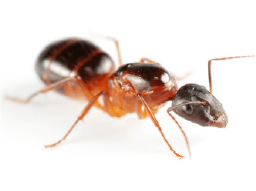
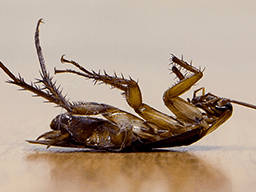
Hudson's pest challenges are closely tied to building age and mixed use. The city's historic housing stock, brick and frame structures, row-style layouts, and renovated storefront buildings can create beautiful spaces, but they also leave room for pests to exploit wall voids, basements, service entries, and aging utility penetrations. In residential settings, mice and ants are common concerns where foundations, cellars, and older interior transitions create access. In hospitality, retail, and restaurant spaces, flies, roaches, and rodents become more important because storage, food handling, and daily deliveries intensify the risk. Bed bug work can also carry more weight here than in a typical small town because Hudson's strong visitor economy and housing turnover create more opportunity for introduction and spread.
The city's riverfront setting adds another layer, but Hudson's real pest story is less about shoreline alone and more about how tightly commerce, housing, and older construction meet one another. A restored townhouse, a second-floor apartment over retail, and a food business using rear service access each face different pest pressures even on the same block. Nearby Catskill, Greenport, and the wider Hudson Valley region share some of these conditions, yet Hudson stands out because its compact, active core magnifies them. Many property owners and managers consider a company like Terminix when they need service that understands urban building complexity, repeat pest pathways, and the need for treatment that works alongside exclusion, sanitation, and long-term prevention.
Bio-Rational Materials
In a city of historic homes, shared walls, and active public-facing businesses, many people prefer pest control that is precise and environmentally mindful. Bio-rational materials support that goal by making treatment more selective and more closely tied to the pest and location involved instead of relying on a broad, one-pattern response. In Hudson, those materials often work best when paired with exclusion, moisture correction, and improved sanitation, especially in older buildings where the structure itself contributes to pest pressure. Exterminators who take that approach can often provide dependable control while being careful about how treatments are chosen and applied.
Commercial EcoControl
Environmentally conscious commercial pest management works best when it is built into building operations from the beginning. Integrated pest management principles help businesses reduce pest risk through regular inspection, sanitation oversight, structural correction, and control of food, waste, and moisture sources in the areas where activity usually begins. In Hudson's restaurants, retail spaces, lodging properties, galleries, and offices, that prevention-first mindset is especially important because presentation and customer experience are central to the local economy. Terminix promotes this commercial approach for businesses that want reliable pest protection backed by stronger day-to-day facility practices.