Pest Control in Phoenix, New York
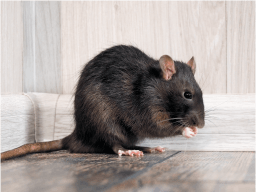
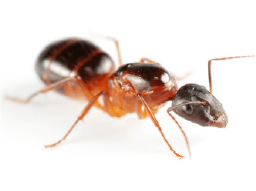
In Phoenix, the most useful way to understand pest activity is to look at the village core and the river together. Older homes, small business properties, tight lot spacing, and river-adjacent moisture create a different pattern than newer residential development outside town. Ants are a strong local fit because aging porches, foundation seams, basement entries, and damp lower trim give them plenty of access in buildings that have seen years of patchwork repair and heavy seasonal weather. Rodents also matter because detached garages, basement storage, alley-like side spaces, and fence lines shorten the distance between exterior shelter and occupied space. In Phoenix, pests often move through compact structural and service zones rather than across broad yards or wooded edges.
Flies are another practical issue where trash storage, rear entries, drainage, and food-handling patterns concentrate in small exterior areas. That makes Phoenix different from more rural Oswego County towns, where barns, fields, and large-lot storage shape more of the problem. Here, recurring activity is usually tied to the tight relationship between older structures and everyday village circulation. A strong inspection often starts at basement windows, rear porches, trash areas, door thresholds, and lower wall penetrations, because those are the points where moisture and access stay closest together. In Phoenix, good control usually depends on reading the back-of-building conditions as carefully as the front, since the repeat problem often starts where service use and structural age overlap most heavily.
Bio-Rational Materials
Targeted pest control usually produces better long-term results than broad treatment that does not match the actual infestation. Bio-rational materials support that more selective approach by allowing pest professionals to focus control on active areas while keeping overall impact lower when used appropriately. They are most effective when paired with careful inspection and correction of the moisture, entry, and harborage conditions that are sustaining the problem. Terminix follows this service direction by combining prevention-minded planning with property-specific control decisions shaped by the pest and the structure involved.
Commercial EcoControl
Commercial EcoControl is designed around prevention, inspection, and reduction of the site conditions that support recurring pest activity around a business. Using integrated pest management principles, the service emphasizes sanitation review, exclusion, moisture control, and attention to service areas, storage zones, and structural openings that can keep infestations active. That can help commercial properties improve long-term stability by addressing why pests return instead of responding only after the issue becomes visible. Terminix applies this approach through routine evaluation and targeted measures intended to support dependable commercial pest management with environmental responsibility in view.