Pest Control in Rush, New York
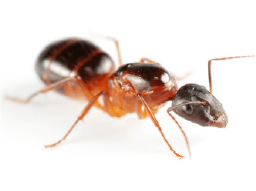
Rush often produces pest issues through subdivision layout rather than through old housing or dense village conditions. Many homes sit in newer or semi-newer residential pockets where rear yards open toward farm ground, drainage channels, or unmowed strips that collect rodent and insect movement. Mice use that edge well, especially where garage slabs, utility penetrations, and rear service doors create direct indoor access. Ant activity also builds around new foundation joints, patios, and mulch beds where irrigation and low drainage keep soil damp close to the house. Nearby Henrietta, Chili, Honeoye Falls, and Rochester all shape the local market, but Rush more often has a stop-start suburban footprint where development ends abruptly at open ground instead of blending gradually into neighboring blocks.
That abrupt edge also affects warm-season insect calls. Yellowjackets commonly use ground voids, retaining edges, and less-used rear yard sections where disturbance is low, and they can become more noticeable around patios and play areas late in the season. Rush is not mainly about older basements, attic gaps, or block-level circulation. The recurring local issue is how quickly insects and rodents move in from the undeveloped edge behind the subdivision. Effective pest control usually starts with rear drainage lines, garage transitions, patio joints, and utility points where that open-ground movement meets the structure.
Bio-Rational Materials
Bio-rational materials can be a practical option when a pest issue calls for a more targeted and lower-impact treatment plan. These materials are generally chosen to support precise control and are often most effective when combined with exclusion work, moisture management, and reduction of the harborage conditions pests depend on. Terminix may use those environmentally mindful options where appropriate, depending on the infestation and the structure involved.
Commercial EcoControl
For commercial properties, environmentally conscious pest management works best when inspection and prevention come first. Terminix uses integrated pest management principles that emphasize sanitation, exclusion, structural correction, and reduction of the conditions that allow pests to remain active around a site. In Rush, that can be especially useful for service buildings, light industrial properties, and facilities on the edge of open land where exterior conditions play a major role in recurring activity.