Pest Control in Sloan, New York
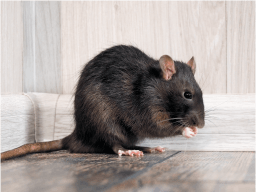
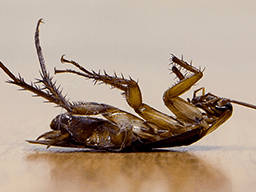
Sloan's pest conditions are driven by density. Small lots, older homes, mixed-use corridors, garages close to alleys, and buildings that have been modified over decades create a setting where pests do not have to travel far to find food, heat, and entry points. Mice are a steady issue because wall voids, shared utility lines, and basement access points let them move quickly through a block. German roach problems can also be more persistent here than in lower-density suburbs, especially where food handling, older plumbing, and storage clutter overlap in kitchens or business back rooms. Nearby Buffalo, Cheektowaga, West Seneca, and Depew all influence service demand, but Sloan often has less separation between structures and fewer buffer zones than the surrounding communities.
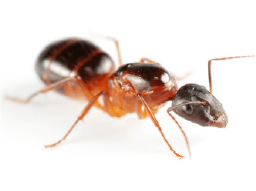
That means recurring infestations are often maintained by neighborhood conditions, not just one address. Pavement ants use cracked walks, stoops, and foundation joints, while mice exploit garage door gaps and rear service entries that are easy to ignore. In commercial pockets, grease residue, damp floor drains, and cardboard storage can keep roach activity active long after a surface treatment appears to work. Sloan does not usually call for a broad-lot, exterior-heavy strategy. The stronger results come from detailed interior inspection, sanitation correction, and tight exclusion work, because the local pattern is about circulation through close, repeatedly used spaces.
Bio-Rational Materials
Lower-impact pest control materials can be useful when they are applied precisely and supported by practical corrective work. Bio-rational materials are generally selected for their targeted use profile and are often paired with exclusion, sanitation improvement, and moisture reduction to make the overall program more effective. Terminix may use those environmentally mindful options when the structure, pest type, and treatment goals make that approach the right fit.
Commercial EcoControl
For commercial properties, environmentally conscious pest management works best when prevention and inspection are built into regular operations. Terminix uses integrated pest management principles that focus on identifying access points, reducing food and water sources, improving sanitation, and correcting the structural issues that allow pests to persist. In Sloan, that approach is especially useful for businesses in tight commercial settings where pests can move quickly if daily conditions are left unchecked.