Pest Control in Smithville Flats, New York
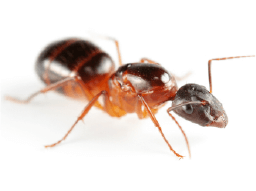
In Smithville Flats, local pest behavior is shaped by the valley floor. Homes and small buildings here often sit near drainage ditches, low roadside shoulders, creek influence, and shaded ground that stays damp after rain. That makes lower structural zones especially important. Carpenter ants are a strong fit for this setting because porch bases, sill areas, and older wood near grade can stay wet long enough to support activity even when the rest of the structure looks sound. Mice also use crawlspace openings, rear sheds, and utility penetrations on properties where the ground stays quiet and brushy around the edges. Nearby Greene, Oxford, Norwich, and Afton are all geographically relevant, but Smithville Flats often has more low-ground moisture concentrated right around homes than the hillier communities nearby.
That low-ground pattern also affects seasonal insect issues. Wasps commonly use the undersides of porches, shed rafters, and fence-line structures where moisture and limited disturbance keep conditions stable. Overwintering insects may gather in upper rooms later, but many recurring pest problems here start below the main floor, not above it. Smithville Flats is less about large-scale agricultural outbuildings and more about damp, aging residential structures set into a wet valley landscape. Effective control usually begins with foundation lines, crawl access, drainage paths, and low side buildings that stay shaded, because that is where repeated activity is most often being maintained.
Bio-Rational Materials
Bio-rational materials can be useful when pest control needs to stay focused on the actual source of the problem while following a lower-impact treatment direction. These materials are generally selected for targeted use and are often paired with moisture correction, exclusion, and habitat reduction so treatment is not doing all the work alone. Terminix may use those environmentally mindful options where appropriate, especially on properties where damp exterior conditions call for a precise plan rather than a broad one.
Commercial EcoControl
Commercial EcoControl works best when the property is managed to make pest survival harder before infestation spreads. Terminix uses integrated pest management methods that focus on inspection, sanitation, exclusion, and correction of the moisture, storage, and structural conditions that allow pests to remain active. In Smithville Flats, that can be especially practical for service, storage, and rural commercial sites where low-lying damp areas and less-used building sections need steady attention.