Pest Control in Smyrna, New York
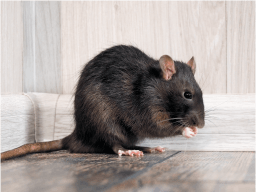
In Smyrna, pest problems often follow the pattern of small working properties where the house, garage, and barn are all used differently through the year. That gives the town a different feel from Norwich, Hamilton, Sherburne, and Earlville, even though the broader region shares many of the same insects and rodents. Mice are often the first recurring issue because feed rooms, tack areas, storage lofts, and side buildings stay quiet for long stretches without being fully sealed. Once they settle there, they can move toward the home through attached rooms, cellar entries, or utility lines. Cluster flies are also especially common in Smyrna houses with broad upper walls and attic space, particularly where valley-floor pasture and low-disturbance ground sit close to the structure.
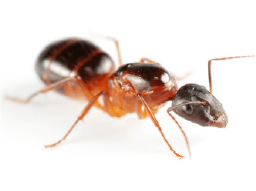
Carpenter ants and yellowjackets also fit the local pattern, but usually around practical-use features rather than ornamental landscaping. Porch posts, old milk-house additions, stacked lumber, and damp shed corners are more important inspection points here than decorative beds or dense subdivision fencing. In Smyrna, a strong inspection usually needs to track how the property functions day to day, including which buildings are heated, which ones are only entered occasionally, and where stored materials sit through the season. That makes local pest work more about uneven building use and quiet utility spaces than the more general farm-edge logic seen in other rural towns.
Bio-Rational Materials
Lower-impact pest control materials can support treatment that stays selective and well matched to the infestation area. Terminix may use targeted products and application methods based on the active pest, the treatment zone, and the way the property is used, helping avoid broader application than the situation requires. That keeps the focus on practical control while supporting a more environmentally mindful service path.
Commercial EcoControl
Commercial EcoControl emphasizes inspection, prevention, and integrated pest management principles that address the real conditions pests depend on. Terminix reviews sanitation, storage, moisture, access points, and harborage before deciding how service should be structured. On shops, service buildings, and working rural properties, reducing those conditions is often the most effective way to keep recurring activity from reestablishing itself.