Pest Control in Walker Valley, New York
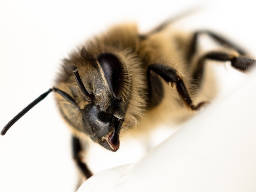
In Walker Valley, the main pest story usually starts where homes sit just off the woods but still function like year-round residential properties, not deep rural parcels. That difference matters. Many properties have tree cover close to the house, small outbuildings, older crawl spaces, and quiet roof corners, but they do not have the larger agricultural buffer or secondary barn use you see in other parts of the region. Mice are common because brush lines, stacked materials, and garage storage give them short travel routes into the home. Wasps and hornets are also a recurring issue around soffits, porch roofs, swing sets, fencing, and shed rafters, especially where yard structures stay undisturbed between regular use. In Walker Valley, people often encounter the problem right in the daily-use zone of the property, not at a distant lot edge.
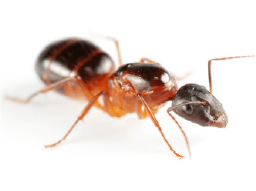
Carpenter ants fit the area where shaded siding, porch framing, and deck posts stay damp under heavy tree cover. The local pattern is more residential-edge than village-core, and that makes Walker Valley different from Ellenville, where denser housing and tighter property lines shape pest movement differently. Here, the practical inspection priority is usually the band between woods and house, including crawl-space vents, side-yard storage, lower rooflines, porch posts, and garage thresholds. On Walker Valley properties, recurring pest activity often stays tight to the exterior shell because the homes are close enough to cover for easy access, but occupied enough that the problem shows up quickly where people actually live, walk, store, and gather.
Bio-Rational Materials
Targeted pest control has become more important because many infestations can be handled more effectively when the response is matched closely to the actual condition on the property. Bio-rational materials support that approach by fitting into lower-impact treatment plans that focus on active areas instead of broad use everywhere. Their best results come when pest professionals also address the moisture, gaps, and harborage that are supporting the problem. Terminix follows this direction by combining prevention-focused planning with treatment choices designed to fit the pest and the structure involved.
Commercial EcoControl
Commercial EcoControl emphasizes prevention-first pest management for commercial properties that need steady control and practical site oversight. Built around integrated pest management principles, it focuses on inspection, sanitation, exclusion, and reduction of moisture and shelter conditions that can keep insect or rodent activity active around the business. That approach can help reduce repeat problems by improving the property itself, not just responding after infestation is visible. Terminix applies this service model through routine evaluation and targeted control strategies shaped by how the site is used each day.