Pest Control in Atwater, Ohio
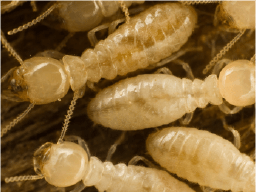
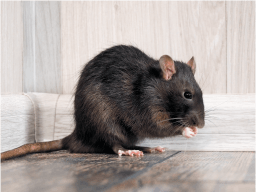
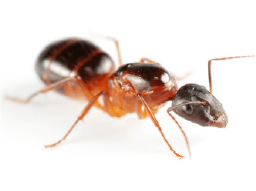
Atwater Township stretches across the fertile plains of southeastern Portage County, fifteen miles southeast of Kent and eleven miles northwest of Alliance, with Akron less than twenty minutes to the west along Interstate 76. Broad fields of corn and soybeans give way to the coves of Berlin Lake, and narrow wooded ravines carry spring runoff into the Mahoning River watershed. From late June through August, afternoon highs often reach the low to mid-80s and lake-breeze humidity keeps dewpoints above 65 percent. Evening thunderstorms leave puddles in tractor ruts, rain barrels, and birdbaths, encouraging mosquitoes, yellowjackets, and odorous house ants to establish nests near porch posts and barn eaves. January lows frequently dip into the upper teens, sending Norway rats, deer mice, and brown marmorated stink bugs through block foundations, grain-bin gaps, and attic vents. Saturated clay soils beneath pier-and-beam farmhouses during the April thaw invite subterranean termites to damp sill plates, while crisp September evenings draw box-elder bugs and multicolored Asian lady beetles to the sun-warmed siding along Waterloo Road.
Terminix paces its seasonal service plan around these local cues. Technicians start each March with a thorough inspection that checks splash blocks, downspout elbows, and exposed joists on livestock sheds, then apply larvicide and exterior barriers once daytime temperatures remain above 55 degrees Fahrenheit. During July they maintain ant bait stations along fence rows bordering soybean acreage and refresh mosquito treatments around the retention ponds of new subdivisions on Saxe Road. Autumn visits tighten door sweeps at garage thresholds, seal soffit gaps, and place discreet traps in feed-storage rooms to intercept rodents before winter. Every appointment ends with a digital report that flags moisture, clutter, and vegetation contact so property owners can correct conditions before pests regain a foothold.
Bio-Rational Materials
Terminix continues to expand its menu of reduced-risk options, often called bio-rational materials. These formulations rely on naturally derived active ingredients such as plant essential-oil blends and insect growth regulators approved by the U.S. EPA, which target a narrow range of insect receptors or life-cycle stages and leave birds, pollinators, and soil microbes largely unharmed. Field trials across the Midwest show that growth regulators can interrupt ant and roach molting for up to ninety days, giving homeowners longer protection between treatments, and every application is recorded in a digital log so customers can review product names, rates, and re-entry intervals for full transparency around pets, poultry coops, and vegetable gardens.
Commercial EcoControl
For businesses along U.S. Route 224 and the Interstate 76 corridor, whether they mill grain or fabricate precision metal parts, Terminix offers its Commercial EcoControl program that begins with a no-cost risk audit, maps dumpsters, loading docks, floor drains, and break-room hot spots, and then drafts an Integrated Pest Management plan prioritizing door-sweep upgrades, sanitation coaching, and pheromone-based traps. When targeted treatment becomes necessary, the company selects low-odor, low-volatility actives that meet U.S. Green Building Council guidelines, helping clients maintain LEED points and third-party food-safety certifications, while quarterly trend reports pinpoint pest pressure by zone so managers can act before an infestation threatens inventory or health-inspection scores.