Pest Control in Clarksfield, Ohio
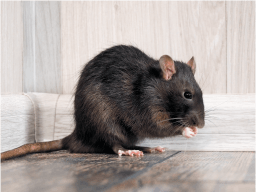
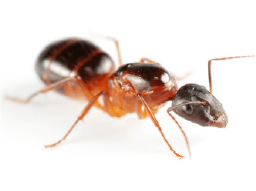
Clarksfield pest activity is shaped by rural property edges and the wooded drainage areas found across southern Huron County. New London, Wakeman, Norwalk, and Wellington are nearby, but Clarksfield homes often have more direct contact with barns, fields, creek bottoms, and woodlots. Mice may move from outbuildings or field cover into garages and basements through small openings. Carpenter ants can appear where shaded siding, porch wood, or damp trim stays wet after rain.
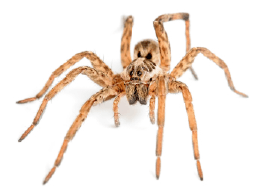
Because many properties include more than the main house, inspection should include barns, sheds, stacked wood, crawl-space vents, drainage, and vegetation contact. Ants may use foundation seams and utility lines, while spiders gather near exterior lights and storage areas where insects are active. Stinging insects may nest in eaves or quiet outbuildings. Our preferred exterminators can help Terminix service focus on the full property edge, which matters in Clarksfield because pest sources may sit beyond the immediate foundation but still feed activity indoors.
Bio-Rational Materials
Bio-rational materials support pest control that uses treatment in a targeted and responsible way. Terminix may include lower-impact product choices when inspection shows they fit the pest and site. Strong service also depends on sealing gaps, correcting moisture, improving sanitation, and removing harborage so pests have fewer places to live near the structure.
Commercial EcoControl
Commercial EcoControl helps businesses manage pests by applying integrated pest management principles to the building and its operations. Terminix reviews receiving areas, waste handling, storage, moisture, utility openings, and sanitation routines. Treatment is used where it supports the findings, while prevention reduces conditions that allow pests to establish or return.