Pest Control in Garfield Heights, Ohio
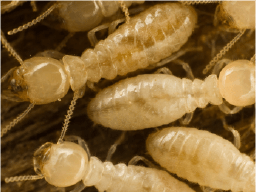
Garfield Heights occupies the high ground of the Portage Escarpment six miles southeast of downtown Cleveland, with Maple Heights on its southern border and Parma only ten minutes to the west. Mill Creek carves a narrow gorge through the metro-park, and many backyards slope toward storm drains that empty into the Cuyahoga River system. From late June through August, afternoon highs often settle in the low to mid-80s and lake-breeze humidity climbs above 70 percent, giving mosquitoes, carpenter ants, and yellowjackets plenty of damp hideouts in clogged gutters, kiddie pools, and shed rafters. January frequently delivers lake-effect bursts that drive temperatures into the upper teens, encouraging Norway rats, deer mice, and brown marmorated stink bugs to slip behind siding and into attic insulation. Heavy spring rains can leave standing water under split-level homes near Turney Road, softening joists that attract subterranean termites, while crisp September nights push box-elder bugs and multicolored Asian lady beetles to the sun-facing brickwork on Transportation Boulevard.
Terminix spaces its seasonal service blocks around these Garfield Heights triggers. Early-spring inspections target downspout splash zones, mulch lines, and the block foundations common in post-war bungalows, followed by larvicide and barrier treatments as soon as daytime temperatures hover above 55 °F. During peak summer, technicians refresh bait-and-monitor stations along fence lines bordering the Norfolk Southern rail corridor to stop carpenter ants before they trail indoors. Late-autumn visits reinforce door sweeps at garage thresholds and caulk soffit gaps, and discreet snap traps are set behind dumpsters at local strip malls to deter rodents. Each service concludes with a digital report that flags moisture problems, vegetation contact, and storage habits so residents can correct conditions before pests stage a comeback.
Bio-Rational Materials
Terminix continues to expand its menu of reduced-risk options, often called bio-rational materials. These formulations rely on naturally derived active ingredients such as plant essential-oil blends and insect growth regulators approved by the U.S. EPA, which target a narrow range of insect receptors or life-cycle stages and leave birds, pollinators, and soil microbes largely unharmed. Field trials in the Midwest have shown that growth regulators can interrupt ant and roach molting for up to 90 days, giving homeowners longer protection between treatments, and every application is recorded in a digital log so customers can track product names, rates, and re-entry intervals for full transparency around pets, poultry coops, and vegetable gardens.
Commercial EcoControl
For small businesses along Rockside Road and the Interstate 480 corridor, whether they package gourmet snacks or fabricate precision metal parts, Terminix offers its Commercial EcoControl program that begins with a no-cost risk audit, maps dumpsters, loading docks, floor drains, and break-room hot spots, and then drafts an Integrated Pest Management plan favoring door-sweep upgrades, sanitation coaching, and pheromone-based traps. When targeted treatment becomes necessary, the company selects low-odor, low-volatility actives that meet U.S. Green Building Council guidelines, helping clients maintain LEED points and third-party food-safety certifications, while quarterly trend reports pinpoint pest pressure by zone so managers can act before an infestation threatens inventory or health-inspection scores.