Pest Control in Nevada, Ohio
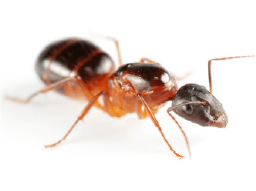
Nevada pest control is shaped by the immediate transition from crop ground to village lots. Nevada is near Upper Sandusky, Bucyrus, Marion, and Sycamore. Field margins, drainage ditches, sheds, and garages can support pests within a short distance of the house. Mice often move indoors when harvest activity, weather, or stored materials change outdoor shelter. They commonly use garage doors, crawl-space vents, utility penetrations, and foundation gaps. Ants may appear around cracked walks, porch slabs, and damp soil at older foundation edges.
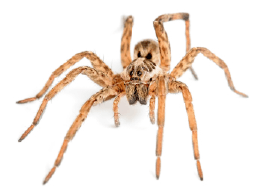
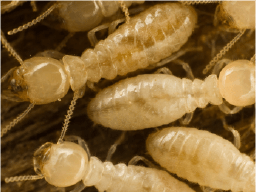
Nevada differs from larger nearby towns because the outdoor source of pest activity is often easy to overlook but very close. Spiders collect in basements, garages, and outbuildings where insects gather. Wasps may nest around barns, eaves, and fence posts near mowing or gardening areas. Termite inspections are important where porch steps, crawl spaces, or older framing meet moist soil. Terminix can help homeowners work with our recommended exterminators to inspect field-facing walls, stored materials, downspout discharge, garage seals, and foundation openings that feed recurring indoor activity.
Bio-Rational Materials
Bio-rational materials can help pest control stay measured and selective. Terminix can consider lower-impact treatment direction when appropriate, while cleaning, sealing, drying, and removing harborage reduce the food, shelter, moisture, and access pests need.
Commercial EcoControl
Commercial EcoControl focuses on integrated pest management for business properties. Terminix reviews entry points, storage practices, drainage, waste areas, food sources, and exterior conditions, then uses targeted treatment with corrections that reduce the chance of pests returning.