Pest Control in Toledo, Ohio
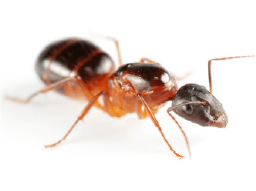
Toledo, Ohio sits on the western shore of Lake Erie in Lucas County, about 60 miles west of Detroit and roughly 225 miles northeast of Indianapolis (around a 3½-hour drive). The lake's influence moderates winter temperatures—January lows average near 20°F—and fuels humid summers with July highs close to 85°F. This climate supports vigorous mosquito and tick populations in lakeside parks, wooded riverbanks, and wetland edges throughout spring and summer. Heavy dew and occasional afternoon thunderstorms leave standing water in drainage ditches and low-lying yards, creating ideal breeding grounds. As temperatures fall in late fall and square-freeze cycles form around foundation cracks, mice, rats, and carpenter ants begin probing gaps in siding and basement walls for warmth. Suburban communities such as Maumee and Perrysburg encounter the same seasonal pest challenges, with older properties and lush landscaping providing ample harborage. Toledo homeowners rely on proactive inspections, moisture management, and targeted treatments to keep these pests from establishing inside their living spaces.
Homeowners across Toledo trust Terminix for thorough, climate-responsive pest management tailored to the area's unique landscape and weather patterns. Each service begins with a comprehensive inspection to locate termite mud tubes, identify rodent entry points, and map insect harborage zones before they cause structural damage or health risks. Technicians develop customized treatment plans for general pest control, specialized termite services, or rodent exclusion, timing applications to coincide with peak pest activity. Follow-up visits and seasonal maintenance ensure ongoing protection, with adjustments made as conditions shift from humid summer nights to colder, dryer autumn and winter periods. By combining local expertise with proven products and consistent monitoring, Terminix keeps Toledo homes safe, comfortable, and pest-free throughout the year.
Bio-Rational Materials
Terminix integrates bio-rational materials that deliver precision control while minimizing environmental impact. Products such as species-specific baits use pheromone attractants to lure target pests into contained stations where precise, low-dose formulations eliminate colonies without widespread chemical dispersal. Advanced botanical extracts—including neem oil and citrus-derived limonene—target soft-bodied insects without leaving harmful residues on plants, soil, or pet areas. Some programs may employ microbial products when appropriate. Pheromone-based traps provide ongoing activity data so treatments are applied only when pest thresholds are reached. This layered approach reduces overall chemical use, protects beneficial wildlife and pollinators, and sustains long-term control around gardens, crawl spaces, and foundations.
Commercial EcoControl
Terminix's Commercial EcoControl program combines prevention, proactive monitoring, and environmentally responsible treatments for Toledo businesses and institutional facilities. Following a detailed site survey to identify moisture intrusions, food-handling zones, structural gaps, and landscaping vulnerabilities, technicians recommend improvements such as sealed entry points, upgraded drainage, and enhanced sanitation procedures. When treatments are required, EPA reduced-risk botanical products and targeted insect growth regulators replace broad-spectrum sprays to interrupt pest reproductive cycles without contaminating work areas. Comprehensive reporting and staff training round out the program, ensuring compliance, sustainable practices, and long-term protection.