Pest Control in White House, Tennessee
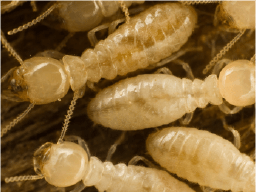
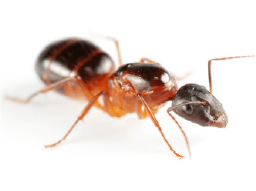
White House sits on the northern edge of the Nashville metropolitan area in Sumner County, about 25 miles north of downtown Nashville and 12 miles south of the Kentucky state line. Nearby communities like Hendersonville to the east and Portland to the north share rolling farmland, wooded subdivisions and river-bottom terrain. Summers here are hot and humid, with daytime highs often climbing into the low 90s and muggy nights that linger above 70°F. Winters are mild, dipping into the mid-30s on clear nights. Spring brings frequent thunderstorms that soak the fertile loam soils around foundations of historic brick homes in the town center and newer subdivisions off Highway 31W. These damp conditions attract subterranean termites to tunnel beneath porches, patios and support beams. Carpenter ants follow moisture into crawl spaces and under-eave wood after heavy rains, while mosquitoes breed in roadside ditches, retention ponds and slow-moving backwaters along Jones Creek.
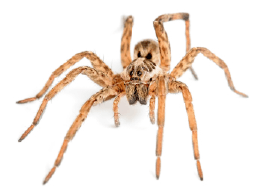
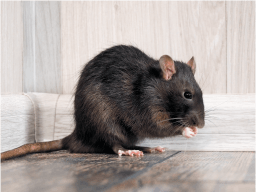
In late summer, paper wasps and yellowjackets establish nests under roof overhangs, inside hollow trees at community parks and near outdoor seating areas, posing stinging risks to families and pets. As autumn evenings cool into the 50s, mice and rats move indoors seeking warmth, nesting in attics, wall voids and behind cabinets. To protect White House homes year-round, Terminix technicians perform a thorough inspection of foundation perimeters, utility penetrations, window and door frames and attic spaces. They map moisture levels to identify termite hotspots and apply targeted soil treatments to form an effective barrier. Interior bait stations intercept rodents before they spread, and seasonal exterior treatments deter ants, spiders and stinging insects. By combining local climate data, soil composition and diverse building styles, Terminix delivers tailored, low-impact solutions that keep properties pest-free through every season.
Bio-Rational Materials
Terminix uses bio-rational materials that precisely target pest species while preserving beneficial insects, maintaining soil health and protecting waterways across White House's residential and agricultural zones. Technicians deploy pheromone disruption lures to interrupt moth and caterpillar breeding cycles, cutting broader chemical use. Naturally derived microbial products focus exclusively on target pests without harming birds, pets or pollinators. Botanical oils from mint and neem are blended into spot treatments for crawling insects, offering rapid knockdown with minimal residue. By collaborating with regional university entomology programs and adjusting applications based on seasonal temperature data, Terminix achieves precision treatments that reduce callbacks and lower total chemical inputs.
Commercial EcoControl
Terminix's Commercial EcoControl program applies Integrated Pest Management methods to protect businesses throughout White House and neighboring towns. It begins with a detailed site audit that uncovers vulnerabilities such as foundation gaps near loading docks or crevices around storefront entrances on Highway 31W. Technicians recommend sealing cracks, improving surface grading and installing door sweeps to remove pest harborage. EcoControl emphasizes non-chemical tactics including pheromone monitoring to track insect movement and custom rodent baits matched to local species. When treatments become necessary, Terminix selects selective, plant-based or microbial-derived products to minimize environmental impact. Regular follow-up inspections and seasonal adjustments ensure commercial properties remain consistently protected with an eco-focused approach.