Special OfferCall Now & Get $50 Off1 Pest Control2 or Quick Guard Mosquito Service3 or Save 10% on a termite plan4
Almost done. Just a few more details to get started.
Find Affordable, Expert Pest Exterminator in Arlington, Virginia
Arlington sits across the Potomac River from Washington, D.C., with dense residential and commercial districts extending from Rosslyn to Ballston and Pentagon City. High-rise buildings, older houses, restaurants, and shared utility systems create varied pest management needs within a compact urban area.
In buildings with multiple occupants, pests can move beyond the room where they are first discovered. Our preferred exterminators help owners and managers address these concerns, while Terminix offers professional pest control services for identifying infestations and evaluating suitable treatment options.
Terminix keeps your Arlington home safe from intrusive pests
Terminix will prevent common household pests from entering your home, keeping your family safe.
Our services ensure that you have a clean, pest-free home without the worries of finding pests in your morning cereal. Everyone's familiar with the act of spraying, but there is a lot more to our experts' pest control services, including:
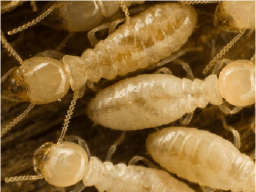
At Pest Control Experts, we want to make sure getting top-notch service and a pest-free home is easy for you? Once you give us a call, we can get you started with a free inspection with one of our preferred pest exterminators in Arlington, Virginia. They will create a customized plan to create your home for all pests including termites, roaches, and more.
With our exterminators in Arlington you'll receive
Free Inspection
Expert Technicians
Local Experts
Custom Treatment Plan
Zip Codes We Service In Arlington, VA
22201
22202
22203
22204
22205
22206
22207
22209
22210
22211
22212
22213
22214
22215
22216
22217
22219
22222
22225
22226
22227
22230
22240
22241
22242
22243
22244
22245
22246
The Value of Pest Control in Arlington
Finding the right Arlington pest control provider isn’t always easy - from pricing to scheduling to consistency, there are a lot of concerns that need to be addressed.
With the right service provider, you’ll get the pest-free home you deserve, and with Termini, we’re here to do just that.
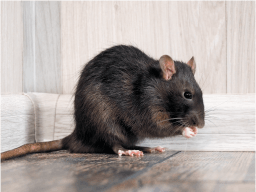
Shared building infrastructure is a major factor in Arlington pest control. Around Rosslyn, Clarendon, and Ballston, apartment buildings, offices, and restaurants often occupy closely connected spaces where plumbing lines, utility chases, refuse rooms, and service corridors can provide concealed movement routes. German cockroaches may spread between units through accessible wall penetrations, while house mice can exploit openings near loading docks or mechanical areas. A single tenant's complaint may indicate activity involving more than one occupied space. In such buildings, investigating adjoining rooms and coordinating maintenance responsibilities is generally more productive than treating the visible location alone. Waste collection schedules and food-handling practices also matter where restaurants operate below or beside residential units.
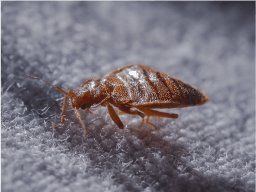
Arlington borders Washington, D.C., and lies near Alexandria, Falls Church, and [Fairfax](/local/virginia/fairfax-2/ "Terminix Pest Control Fairfax, Virginia"), but its concentration of transit-oriented development makes coordinated pest management especially important. In Pentagon City and Crystal City, frequent deliveries and changing occupancy can complicate efforts to identify where an infestation began. Bed bugs are another concern in residential buildings and lodging properties because they can be introduced with belongings and transported between locations. Identifying the insect before taking action helps avoid misdirected treatments. Property managers should maintain clear reporting procedures, document affected locations, and arrange professional assessment when activity crosses shared spaces. Effective control depends on access to the relevant rooms, attention to structural gaps, and cooperation among occupants, maintenance teams, and pest professionals.
Bio-Rational Materials
High-occupancy buildings require particularly careful decisions about where and why a pest control product is applied. Bio-rational materials may offer targeted options for some insects, but their suitability varies with the species and approved application site. In Arlington, inspection findings should distinguish activity limited to a tenant space from problems involving adjoining rooms or service areas. Selective treatment can be supported by structural repairs, sanitation improvements, and access coordination. Managers should understand the intended effect, restrictions, and limitations of any recommended material.
Commercial EcoControl
Arlington's mixed-use properties benefit from commercial pest management that treats shared infrastructure as a coordinated responsibility. Integrated pest management involves inspecting documented activity, identifying pest species, correcting access routes, improving sanitation, and applying appropriate treatments when warranted. A clear reporting system helps maintenance teams follow an issue across different floors or tenant spaces. Terminix offers commercial pest management services, and managers can discuss how their property's occupancy, service arrangements, and access limitations affect available recommendations. Preventive repairs should be tracked alongside pest findings so unresolved conditions are not mistaken for new infestations.
FAQs About Pest Control in Arlington
A: Use consistent records showing the unit, date, pest evidence, and affected room. Avoid publishing residents' private information, but make enough location information available for authorized maintenance and pest professionals to recognize patterns.
A: No. Moving potentially infested furniture through shared areas can spread insects. Seek identification and handling guidance before relocating large items.
A: Contact property management to coordinate access and confirm applicable notice requirements. Residents should not enter or arrange work inside another person's unit without authorization.
A: Ask how the proposed evaluation would define affected areas and what access or resident coordination would be needed. Confirm which recommendations depend on building maintenance rather than pest treatment alone.