Pest Control in Bridgewater, Virginia
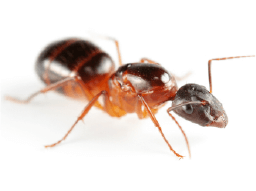
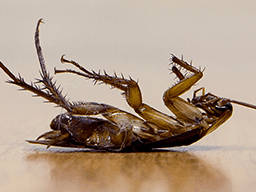
Bridgewater's residential streets sit close to college facilities, riverfront parks, and the North River. Public recreation areas and private yards can accumulate water in containers or poorly drained depressions after storms, creating small mosquito breeding sites even when the river itself flows freely. At buildings used by many people, ants may follow utility openings toward indoor food sources, while German cockroaches can establish themselves around persistently damp kitchens. A residence or campus-related property with regular turnover needs prompt reporting and inspection of shared food preparation areas. In contrast, outdoor mosquito complaints call for looking at yard drainage and stored recreational equipment, not automatically applying an indoor treatment. The distinction between outdoor riverfront use and occupied building maintenance is central to choosing a useful response.
Bridgewater is near Dayton, Mount Crawford, Harrisonburg, and Weyers Cave, with Staunton farther south. Unlike Farmville's broader rental-oriented college town, Bridgewater has a smaller campus and public green spaces closely integrated with the North River corridor. The affected property may border a park or sit on higher ground where runoff behaves differently. Owners should examine drain outlets, landscaping beside building walls, food storage, and doors that see frequent use. Terminix professionals can use actual sightings and pest evidence to determine whether the priority is eliminating standing water, preventing building entry, or treating a population established indoors.
Bio-Rational Materials
In Bridgewater, the appropriate lower-impact method depends on whether the problem is associated with an outdoor water pocket or an indoor food source. Bio-rational materials may be suitable for particular identified insects when applied under their intended conditions. Removing stagnant water and correcting kitchen moisture can reduce treatment needs before any product is selected. Responsible application calls for a realistic assessment of effectiveness and environmental effects, especially near occupied recreation areas.
Commercial EcoControl
For college-related facilities and downtown businesses, Terminix Commercial EcoControl uses integrated pest management to distinguish sanitation and building-access issues from problems originating outdoors. A property manager can inspect shared kitchens, waste stations, lower-level service rooms, and frequently opened entrances. Corrective cleaning and maintenance should follow the findings; focused treatment is used where activity is confirmed. Repeat checks can show whether changes are preventing recurring pests during shifts in campus occupancy and outdoor recreation.