Pest Control in Cave Spring, Virginia
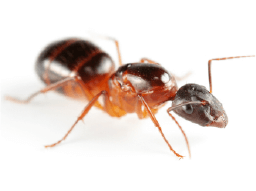
On Cave Spring's sloping residential lots, the location of a house in relation to its retaining walls can change the entire pest inspection. Water flowing from uphill lawns or driveways may collect behind landscape timbers, pass under decks, or keep a basement wall damp. Carpenter ants may use softened wood around a poorly drained deck connection for nesting, although individual foraging ants do not establish that structural wood is infested. Silverfish are more likely to persist in a humid storage room or unfinished lower level. The inspector needs to locate damp materials, identify the insect, and decide whether moisture is sustaining the problem. Treating a visible trail without resolving a leaking downspout may produce only temporary improvement.
Cave Spring connects to Roanoke, Salem, Vinton, and Boones Mill by Electric Road and nearby routes. Unlike Hollins, where Tinker Creek and institutional grounds are prominent, Cave Spring often presents a lot-by-lot drainage puzzle involving graded slopes and attached outdoor structures. Ants can follow joints near retaining walls and patio steps into houses, particularly after a sequence of rainy days. A basement may remain humid long after the driveway and yard have dried. Terminix can assess the pest activity and recommend appropriate control, but owners should also review the direction of downspouts, the condition of deck ledger boards, and any soil piled against siding. Preventing a recurring problem may begin outside the room where insects were found.
Bio-Rational Materials
Where insects are associated with damp construction, treatment decisions should follow an examination of the wood and the species involved. Bio-rational materials may offer selective action against certain pest development stages or behaviors, but they cannot dry out a leaking foundation. Terminix can assess whether targeted products are suitable for a Cave Spring property and explain how drainage correction or better ventilation supports the treatment. Responsible application limits materials to appropriate locations rather than responding broadly to every insect found outdoors.
Commercial EcoControl
Businesses along Electric Road can encounter insects at landscaped entrances even when their interior spaces are well maintained. A commercial prevention program should check runoff near walls, utility-room humidity, exterior door conditions, and refuse practices. Integrated pest management puts those findings ahead of unnecessary routine treatment. Terminix can recommend focused interventions while operators repair drainage or storage deficiencies and continue checking the places where activity was documented. Inspectors can compare damp weather and dry weather observations before recommending further action.