Special OfferCall Now & Get $50 Off1 Pest Control2 or Quick Guard Mosquito Service3 or Save 10% on a termite plan4
Almost done. Just a few more details to get started.
Find Affordable, Expert Pest Exterminator in Lynchburg, Virginia
Lynchburg rises across steep hills above the James River and Blackwater Creek, with Madison Heights and Forest nearby. Historic neighborhoods, stair-stepped streets, and older homes with substantial basement exposure shape property maintenance in this central Virginia city.
Changes in drainage and foundation elevation can create hidden pest entry conditions. Our preferred exterminators help homeowners and business operators identify these vulnerabilities, while Terminix offers professional pest management services for investigating infestations and determining appropriate control options.
Terminix keeps your Lynchburg home safe from intrusive pests
Terminix will prevent common household pests from entering your home, keeping your family safe.
Our services ensure that you have a clean, pest-free home without the worries of finding pests in your morning cereal. Everyone's familiar with the act of spraying, but there is a lot more to our experts' pest control services, including:
At Pest Control Experts, we want to make sure getting top-notch service and a pest-free home is easy for you? Once you give us a call, we can get you started with a free inspection with one of our preferred pest exterminators in Lynchburg, Virginia. They will create a customized plan to create your home for all pests including termites, roaches, and more.
With our exterminators in Lynchburg you'll receive
Free Inspection
Expert Technicians
Local Experts
Custom Treatment Plan
Zip Codes We Service In Lynchburg, VA
24501
24502
24503
24504
The Value of Pest Control in Lynchburg
Finding the right Lynchburg pest control provider isn’t always easy - from pricing to scheduling to consistency, there are a lot of concerns that need to be addressed.
With the right service provider, you’ll get the pest-free home you deserve, and with Termini, we’re here to do just that.
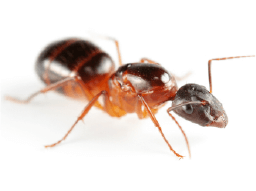
Lynchburg's steep terrain creates particular challenges for homes built into hillsides. On streets above downtown and near the Blackwater Creek corridor, a house may have a ground-level entrance on one side and a partially buried basement on the other. Water moving downslope can collect near foundation joints, retaining walls, and exterior stairs. These damp areas may attract moisture-associated insects, while subterranean termites can exploit favorable soil and structural conditions. Carpenter ants may investigate wood damaged by recurring leaks around porch supports or window trim. A property inspection should consider how the structure meets the slope and whether drainage improvements are needed, rather than examining every exterior wall as though it experiences the same conditions.
Lynchburg connects with Madison Heights, Forest, Timberlake, and Amherst, but the city's historic hillsides create a more complicated relationship between streets, building entrances, and drainage than many surrounding subdivisions. In older downtown structures, mice may enter through openings associated with utility alterations or former service access. During extended wet periods, moisture can remain concealed where retaining structures meet foundations, making damage less apparent from inside. Owners should check accessible lower-level spaces, note where exterior runoff travels, and document recurring insect activity. For commercial buildings along Main Street, the inspection may also involve storage rooms and lower-level service connections. Understanding the building's construction and drainage history is important before selecting treatment or prioritizing repairs.
Bio-Rational Materials
In Lynchburg, pest treatment may need to account for different building levels and the way occupied spaces connect to below-grade foundations. Bio-rational materials can offer selective options for some identified pests, but they should not be used without assessing the treatment site and applicable product instructions. Changes to runoff, deteriorated wood, and concealed access routes may require separate building repairs. Professional guidance helps distinguish which conditions can be addressed through prevention and which justify a targeted intervention.
Commercial EcoControl
Lynchburg's downtown hillside buildings often contain service rooms or storage spaces at different street elevations. Integrated pest management offers a practical way to inspect those areas, identify pest activity, improve sanitation and exclusion, and select treatments where warranted. Commercial EcoControl emphasizes coordinated building maintenance rather than recurring treatment without a clear cause. Terminix offers commercial pest management services, and operators can discuss recommendations for multi-level structures, tenant access, and concealed utility areas. Tracking activity by floor and entrance can make subsequent evaluations more useful.
FAQs About Pest Control in Lynchburg
A: Multiple ground-level access points may exist at different elevations. Record where each opening or sighting occurs instead of assuming pests entered through the lowest floor.
A: Examine accessible drain openings, door sweeps, accumulated leaves, and cracks at wall connections. Avoid entering areas with unsafe steps, standing water, or structural damage.
A: Yes. Wall finishes may conceal staining, insect trails, or structural gaps. Repeated activity or unexplained moisture may justify professional evaluation without immediately removing the finishes.
A: Explain which entrances meet the ground, where the basement walls are buried, and whether access varies by floor. Ask how those differences affect the proposed inspection and treatment areas.