Special OfferCall Now & Get $50 Off1 Pest Control2 or Quick Guard Mosquito Service3 or Save 10% on a termite plan4
Almost done. Just a few more details to get started.
Find Affordable, Expert Pest Exterminator in Richmond, Virginia
Richmond stretches along the James River, with historic neighborhoods and former industrial buildings extending from Shockoe Bottom to the Fan District. As the center of the Richmond metropolitan area, the city combines busy commercial corridors with older residential structures and redeveloped warehouses.
These varied buildings can conceal pest activity behind masonry, in utility spaces, or around food storage areas. Our recommended exterminators help property owners investigate recurring problems, while Terminix provides professional pest management options for homes, restaurants, offices, and other occupied buildings.
Terminix keeps your Richmond home safe from intrusive pests
Terminix will prevent common household pests from entering your home, keeping your family safe.
Our services ensure that you have a clean, pest-free home without the worries of finding pests in your morning cereal. Everyone's familiar with the act of spraying, but there is a lot more to our experts' pest control services, including:
At Pest Control Experts, we want to make sure getting top-notch service and a pest-free home is easy for you? Once you give us a call, we can get you started with a free inspection with one of our preferred pest exterminators in Richmond, Virginia. They will create a customized plan to create your home for all pests including termites, roaches, and more.
With our exterminators in Richmond you'll receive
Free Inspection
Expert Technicians
Local Experts
Custom Treatment Plan
Zip Codes We Service In Richmond, VA
23173
23219
23220
23221
23222
23223
23224
23225
23226
23227
23228
23229
23230
23231
23232
23233
23234
23235
23236
23237
23238
23250
23294
23298
The Value of Pest Control in Richmond
Finding the right Richmond pest control provider isn’t always easy - from pricing to scheduling to consistency, there are a lot of concerns that need to be addressed.
With the right service provider, you’ll get the pest-free home you deserve, and with Termini, we’re here to do just that.
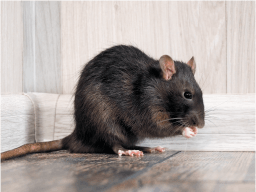
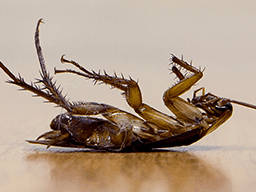
Richmond's redevelopment of former warehouses and industrial buildings creates pest management challenges tied to older structures and changing uses. In Shockoe Bottom and along Tobacco Row, renovated brick buildings may contain concealed openings around service penetrations, aging foundations, and former loading entrances. Norway rats can exploit food waste and protected spaces around commercial buildings, particularly where restaurants and residential units share waste collection areas. American cockroaches may appear in damp lower-level spaces or around drainage systems. Properties near the James River and the city's low-lying commercial districts require attention to moisture intrusion after heavy rain. An effective investigation considers the building's original construction, subsequent renovations, and present-day operations rather than assuming every pest enters from outdoors.
Richmond serves a region that includes Mechanicsville, Glen Allen, Chester, and Petersburg. Its older urban districts differ from the region's newer shopping centers and detached residential developments because structural connections and limited maintenance access can complicate exclusion work. In the Fan and Church Hill, historic homes may also have concealed voids or damaged masonry where mice can enter. Property owners should document recurring activity near floor drains, utility entries, and storage spaces before arranging treatment. For mixed-use properties, coordination between tenants and building maintenance is especially important. Addressing food access and structural vulnerabilities helps reduce the conditions that support established infestations while allowing a pest professional to focus on the actual source of activity.
Bio-Rational Materials
Renovated buildings often contain a combination of original materials and newer finishes, making treatment placement important. Bio-rational pest control materials may support selective intervention when an insect's identity and location are known. A responsible recommendation should consider whether access to concealed spaces is possible, whether an infestation is established, and which preventive repairs can be completed. Product use must remain consistent with labeling and the conditions at the property. Targeted treatment works best when the underlying food, shelter, and moisture conditions are addressed as well.
Commercial EcoControl
Richmond property managers can use integrated pest management to connect pest complaints with maintenance and building operations. For converted warehouses and mixed-use properties, commercial EcoControl principles place emphasis on inspecting former service entrances, documenting refuse-related activity, improving exclusion, and choosing treatment based on confirmed pests. Responsibility may be shared among landlords, tenants, and maintenance contractors. Terminix offers commercial pest management services, and building operators can discuss how the property's current use affects inspection and treatment priorities. Reviewing recurring evidence helps determine whether previous repairs addressed the source of activity.
FAQs About Pest Control in Richmond
A: Compare dated sightings, inspection records, and evidence found after previous repairs. Droppings alone cannot reliably establish the age of an infestation, so recurring activity should be evaluated in context.
A: Avoid tightly packed cardboard and materials that conceal inspection areas or absorb moisture. Maintain accessible space around known utility openings so new activity can be noticed.
A: Yes. Accumulated materials may hide droppings, damaged packaging, or structural openings. Document suspicious evidence and have it assessed before removing materials that could complicate identification.
A: Ask which occupied and unoccupied spaces need access, how evidence will be documented, and whether landlord-controlled repairs should precede treatment. Provide plans or renovation records when available.