Pest Control in Sterling, Virginia
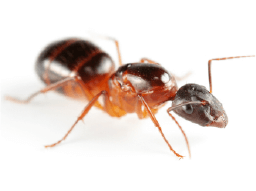
A home in Sterling Park can have several generations of exterior repairs, additions, and landscaping, while a distribution business near Route 28 may have loading doors that open dozens of times daily. Those different settings create a common inspection priority: finding the openings pests actually use. House mice can slip beneath damaged garage seals or through poorly closed utility penetrations; in commercial facilities, they may shelter behind inventory or enter at receiving docks. Odorous house ants sometimes follow foundation joints from irrigated beds into kitchens. An inspector should trace the route, check for accessible food and water, and determine whether there is an established indoor population rather than relying on a few sightings.
Sterling connects with Herndon, Reston, Ashburn, and Leesburg, but its extensive older housing and airport-oriented commercial development distinguish it from newer communities to the west. German cockroaches warrant particular attention in food-service kitchens along Sterling Boulevard and the shopping corridors because equipment, plumbing moisture, and food residue can sustain hidden colonies. Activity often persists until concealed spaces and sanitation problems are addressed together. Terminix can assess each setting and recommend appropriate control. Residents should inspect door sweeps and exterior penetrations; managers should review unloading procedures, refuse collection, and access to equipment for routine inspections. In Sterling, the condition and use of the building often explain repeat pest problems better than the season alone.
Bio-Rational Materials
The most responsible material choice begins with a positive pest identification, not a promise that one product will solve every problem. Bio-rational options can target particular insect growth stages or behaviors when their labeled uses fit the situation. A Sterling homeowner with ants entering through a utility gap needs an investigation of that route as well as any treatment. Terminix can consider selective materials alongside exclusion and sanitation, avoiding unnecessary applications to areas where no activity has been found. That evidence should determine whether the issue is local to one room.
Commercial EcoControl
For Sterling's warehouses and food-service properties, environmentally mindful pest management should follow the path of deliveries, waste, and maintenance activity through the building. Integrated pest management combines documented inspections with exclusion, sanitation, moisture correction, and targeted treatment when needed. Terminix can help operators examine loading-door seals, accessible storage aisles, plumbing areas, and refuse arrangements. Correcting those conditions makes follow-up more meaningful than repeating treatments without understanding how pests are entering. Access to receiving records and maintenance notes can clarify when activity began.