
12 Common DIY Pest Control Mistakes & How to Avoid Them

When unwanted pests appear, many homeowners immediately reach for over-the-counter sprays, traps, and other home remedies to address the issue themselves. It seems simple: spot the pest, spray or trap, and the problem goes away.
However, that is often not the case. In fact, the dangers of DIY pest control can outweigh the convenience. Below, we break down some of the most common DIY pest control mistakes homeowners make, why they’re risky, and how to avoid them altogether.
12 DIY Pest Control Mistakes You Didn’t Know You Were Making
Before diving into DIY pest control, it’s essential to understand the frequent mistakes that often lead to frustration, wasted effort, and even more severe pest problems. To help you avoid these pitfalls, this list outlines twelve common missteps and sheds light on the dangers of DIY pest control, guiding you toward a smarter approach:
1. Misidentifying the Pest
One of the most common mistakes homeowners make is jumping into treatment without first confirming exactly what pest they’re dealing with. A good example is that many homeowners assume that all small brown bugs are roaches or that every hole in the yard is from a vole.
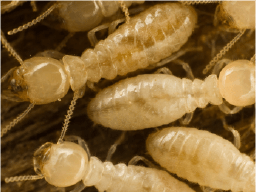
Different species exhibit distinct behaviors, nesting preferences, and responses to treatment. For instance, the treatment for a termite infestation differs significantly from that of carpenter ants despite the similar damage they cause. Using the wrong product or approach often drives pests deeper into hiding or causes the colony to spread.
To avoid misidentifying pest, you should:
- Use reputable resources, such as local extension services, university websites, pest identification apps, or educational blogs from Pest Control Experts, which offer detailed guides to help homeowners distinguish between similar-looking pests.
- Look for signs beyond the pest itself such as droppings, shed skins, or damage to wood or food packaging.
- When uncertain, consult a pest control professional rather than guessing.
- Capture a clear photo or specimen to show a professional if needed.
2. Overusing or Misusing Products and Chemicals
A stroll down any hardware store aisle reveals a wide array of sprays, powders, traps, and foggers. However, just because these products are readily available doesn’t mean they’re always the right fix. One common danger of DIY pest control is the misconception that applying more products will yield better results.
In fact, overusing pesticides can do more harm than good. Many of these chemicals persist on surfaces, pollute indoor air, and put children, pets, and individuals with allergies at risk. Repeated misuse of products can even lead to chemical resistance, particularly in pests such as cockroaches.
Also, pesticides and rodenticides are formulated in specific dosages for a reason. Using too little won’t solve the problem while using too much can jeopardize your health, the environment of your home, and the success of your long-term pest control efforts.
To use pest control products effectively, keep these important precautions in mind:
- Always read and follow the product label instructions carefully, including dosage and application method.
- Choose products targeted for the specific pest identified and setting (indoor vs. outdoor).
- Never mix different pest control products unless explicitly instructed.
- Ventilate the area well during and after application to reduce chemical buildup in your home.
3. Neglecting the Root Causes
Spraying bugs or setting traps is a temporary solution if you don’t address what’s attracting pests in the first place. Many homeowners overlook critical factors such as poor sanitation, standing water, and easy access to food.
Crumbs left on counters, leaking pipes, accumulated garbage, and clutter create the perfect environment for pests to thrive and multiply. Even a minor ant problem can quickly escalate into a full-blown colony when your kitchen conditions make it easy for them to settle in.
Focus on eliminating the underlying factors that attract pests by following these practical steps:
- Maintain a clean home by regularly removing food crumbs, wiping counters, and sealing food containers.
- Fix leaks and eliminate standing water that can attract pests like mosquitoes and cockroaches.
- Remove trash frequently and keep garbage cans tightly sealed.
- Declutter areas like basements, attics, and garages to remove potential nesting sites.
- Seal cracks, crevices, and gaps where pests can enter your home to reduce access points.
4. DIY-ing Dangerous Infestations
Some infestations should never be tackled alone. This includes aggressive stinging insects like wasps and hornets, large rodent colonies, termites, and bed bugs. Attempting to control these pests without the proper tools or training can escalate the situation. You risk injury, further spreading the infestation, or causing property damage.
Here’s how to recognize and avoid tackling dangerous infestations on your own:
- Use online pest risk checklists to determine which infestations can be handled at home and which require pros.
- Avoid opening up walls, flooring, or siding unless trained, as this can disturb hidden colonies and spread pests further.
- Look up ‘infestation thresholds’ (e.g., the number of visible wasp nests, rodent droppings) to understand when DIY pest control at home is no longer advisable or practical.
- Familiarize yourself with local laws. Some states restrict DIY use of certain chemicals or require permits for certain species (e.g., termites).
5. Ignoring Entry Points
Even if you kill every visible pest inside, more will return if they can easily crawl back in. One of the biggest oversights in DIY pest control is skipping the step of sealing off entry points. Rodents, insects, and spiders don’t just appear.
They enter through tiny gaps in siding, around windows, under doors, or through utility lines. Leaving these openings exposed turns your home into a revolving door.
To keep pests from easily slipping inside, here’s how to avoid ignoring entry points around your home:
- Conduct a thorough inspection of your home’s exterior to identify gaps around windows, doors, vents, pipes, and utility lines.
- Use caulk, weatherstripping, steel wool, or mesh screens to seal openings that pests use to enter.
- Pay attention to foundation cracks or damaged siding that can serve as entryways.
- Keep doors and windows closed or install door sweeps and window screens to prevent access.
- Incorporate regular checks and repairs of entry points into your pest control routine.
6. Setting Traps in the Wrong Places
Many homeowners place traps in open areas or too far from pest activity. Since pests tend to gather along edges, in dark corners, and other hidden spots, traps placed in the center of a room or away from nests and runways often go unnoticed. Improper bait placement can also create unintended risks for pets and children.
To improve your chances of catching pests, follow these essential tips for proper trap placement:
- Place traps and bait stations along walls, behind appliances, and in dark, secluded areas where pests are most active.
- For rodents, set traps near signs of activity, such as droppings or gnaw marks.
- Rotate trap locations as needed to increase the chances of catching pests.
7. Relying Solely on Natural Remedies
Natural remedies, such as vinegar, essential oils, or baking soda, are popular on DIY forums. While some natural methods can help deter certain pests, relying on them entirely is often ineffective.
Sprinkling cinnamon or peppermint oil might make you feel proactive, but most natural methods aren’t strong enough to eliminate a full infestation. Termites, bed bugs, and cockroaches, in particular, require targeted treatments that DIY methods simply can’t match.
Here’s how to avoid the pitfalls of relying only on natural remedies in your pest control at home strategy:
- Use natural repellents as a first-line defense. If pests persist despite essential oils or vinegar, it’s a signal that deeper treatment is needed.
- Combine natural methods with mechanical solutions (e.g., sticky traps, vacuuming, exclusion barriers).
- Focus on prevention (not elimination) when using natural remedies–they’re better for discouraging entry than controlling infestations.
- Consider integrated pest management (IPM) approaches that blend DIY pest control with strategic professional input.
8. Ignoring Proper Usage Instructions and Precautions
Even when applied in “recommended” amounts, DIY pest products carry risks, especially when instructions are ignored. Although many labels recommend wearing gloves, masks, or ensuring proper ventilation, most homeowners tend to skip these precautions.
This is where the dangers of DIY pest control become clear, as exposure to these chemicals can cause skin burns, trigger asthma attacks, or contaminate food. Worse, poor storage habits, such as keeping pesticides under the kitchen sink or within reach of children, can result in accidental poisonings.
Follow these important precautions to avoid accidental exposure or harm:
- Watch tutorial videos from trusted sources (e.g., university extension programs) before applying any chemical product.
- Always wear recommended protective gear like gloves, masks, and long sleeves when handling pesticides.
- Keep an emergency kit nearby while applying treatments. This should include gloves, saline eye wash, and poison control info.
- Store chemicals in locked cabinets, out of the reach of children, pets, and food items.
- Never eat, drink, or smoke while applying pest control products to avoid contamination.
- Always change clothes and wash exposed skin immediately after applying products.
9. Forgetting to Treat Outdoor Environments
You might treat pests inside, but if they’re nesting around the foundation, in the garden, or under mulch beds, they’ll keep reappearing. Outdoor environments often harbor ant colonies, spider nests, and even termite colonies. Neglecting these areas is a common mistake in DIY pest control, and it’s often the reason infestations return despite repeated indoor treatments.
To address your outdoor environment, you should:
- Keep landscaping well-maintained, trimming back plants that touch the home exterior to reduce pest bridges.
- Remove debris and standing water from yards and gutters to discourage pest habitats.
- Keep mulch, firewood, and vegetation at least 12 to 18 inches away from the house.
- Install gravel or rock barriers around the foundation, as many pests dislike crossing rough, dry surfaces.
- Add beneficial nematodes or other biological controls to the soil for natural outdoor pest suppression.
10. Not Considering Seasonal Behavior
Different pests become active at different times of the year, and failing to align your efforts with these seasonal shifts can make treatments far less effective.
For example, applying ant bait in the middle of winter, when colonies are dormant, is unlikely to have much effect. On the other hand, skipping rodent-proofing in early fall, when mice and rats start seeking warmth, can lead to unwelcome surprises indoors.
Align your efforts with seasonal pest activity patterns to optimize control. Here’s what you can do:
- Set recurring calendar reminders to inspect for seasonal pests.
- Learn your local pest calendar through cooperative extension services or pest control blogs.
- Store products like ant bait and rodent traps together in a labeled seasonal box so you can act quickly when the season changes.
- Pay attention to your local weather, as sudden warm spells or heavy rains can trigger early pest activity.
11. Not Following Up or Monitoring Progress
Many homeowners apply a single treatment and assume the pest problem has been fully resolved. However, most infestations require follow-up monitoring, repeat applications, and even seasonal adjustments to be fully controlled. Since insects lay eggs in hidden spots, eliminating adults alone isn’t enough–new hatchlings can quickly revive the infestation.
Make follow-up and monitoring a regular part of your pest control routine. Remember to:
- Schedule regular inspections after treatment to track pest activity and signs of reinfestation.
- Be prepared to reapply treatments or adjust strategies if pests persist or return.
- Use traps or monitoring stations to gauge effectiveness over time.
- Keep a log of treatments and pest sightings to identify patterns and problem areas.
12. Waiting Too Long to Get Professional Help
Perhaps the most costly mistake is waiting too long to involve a professional pest control service. What begins as a few scattered bugs can quickly escalate into serious structural damage or health risks.
Pests like termites and carpenter ants work silently behind walls, often causing thousands of dollars in damage before any visible signs appear. Meanwhile, bed bugs can rapidly spread from room to room, and rodents may chew through wiring, creating dangerous fire hazards.
Here are practical steps to help you decide when it’s time to get expert assistance:
- Set a personal “DIY limit.” For example, if the problem isn’t resolved within 10 to 14 days, call a professional.
- Take baseline photos before and during treatment to assess whether the infestation is worsening visually.
- Discuss with your homeowner’s insurance company what pest damage may or may not be covered to understand the associated financial risks.
- Keep a running list of the treatments you’ve tried and share it with a professional for a faster diagnosis.
- Consider a one-time professional inspection early on to get advice. Even if you continue with DIY pest control at home, it can help you avoid expensive mistakes.
Smarter DIY Pest Control Starts with Knowing the Risks—Consult with Pest Control Experts!
Understanding the dangers of DIY pest control doesn’t mean you have to avoid it altogether. But it does mean approaching it carefully, with the right information, tools, and expectations. When in doubt or when pests keep coming back, don’t hesitate to call the professionals.
At Pest Control Experts, we connect you with licensed, local professionals who offer tailored solutions for your home. Whether you’ve tried DIY pest control with no luck or simply want to avoid the trial-and-error altogether, we’re here to help you protect your space.
Call Pest Control Experts today and get matched with qualified pest pros near you!
FAQs About DIY Pest Control
Here are some of the most common concerns homeowners have when attempting DIY pest control at home:
Are ultrasonic pest repellents actually effective?
Ultrasonic devices that claim to repel pests using high-frequency sound often have mixed or underwhelming results.
While they may temporarily affect rodent behavior in small areas, most pests simply move to another part of the home or become desensitized. There is no major scientific evidence to support their long-term effectiveness. Homeowners using these alone for DIY pest control at home are likely to see pests return unless other strategies are used alongside.
Is fogging a good idea for indoor infestations?
Bug bombs or foggers seem convenient, but they often miss the real target: nests and hiding places.
Foggers only treat exposed surfaces, not deep crevices where pests hide or lay eggs. Worse, they can force pests to scatter, making the infestation harder to control. Improper use can also lead to health risks or even explosions in enclosed spaces. For indoor DIY pest control, spot-treating known infestation zones is usually more effective than fogging.
Can pest problems affect indoor air quality?
Absolutely. Pest droppings, shed skin, and urine can worsen indoor air, especially with rodents or cockroaches.
These contaminants may trigger allergies or asthma, especially in children. If you’re using DIY pest control at home without proper cleanup of nesting areas, you could actually make your indoor air more hazardous over time. Always combine pest removal with deep cleaning and ventilation to maintain a healthy living space.
What should I do if I accidentally get pest control chemicals on my skin or clothes?
Immediately rinse the affected area with plenty of cool water for at least 15 minutes to remove the chemicals. Carefully remove any contaminated clothing to prevent further skin exposure.
Avoid scrubbing the skin harshly, as this can cause irritation. After rinsing, wash the skin gently with soap and water. Check the product label for specific first-aid instructions, as some chemicals may require additional steps.
If you experience symptoms such as redness, itching, burning, difficulty breathing, dizziness, or nausea, seek medical attention promptly or call poison control for guidance.
How long should I wait to re-enter a room after using pest control sprays?
This varies by product, but many require a waiting period of 2 to 4 hours, and some even longer. Always check the label for reentry times and ventilate the room thoroughly before reentry. Returning too soon can expose your family or pets to harmful vapors, and residues can remain active on surfaces long after application if not adequately cleaned.