
7 Types of Gnats in the House and How to Eliminate Them
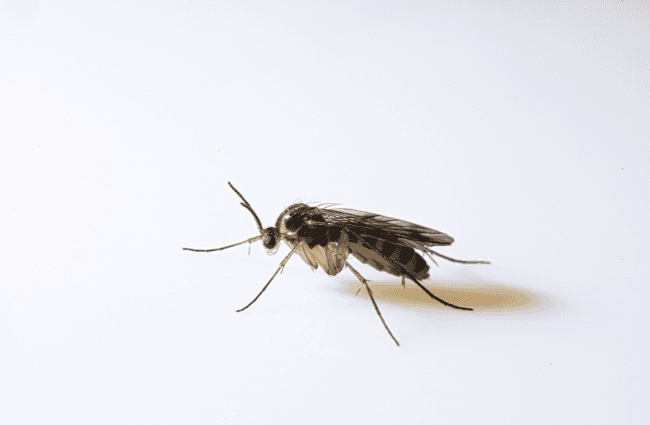
Gnats are small, quick, and often seem to show up out of nowhere. One day your kitchen feels fine, the next you’ve got tiny fliers hovering near the sink or buzzing by the fruit bowl. While they may all look alike at first, there are several types of gnats you might find indoors and each one has its favorite hangout spots.
In this guide, we’ll explain how to tell these gnats apart, what attracts them, and the simple steps you can take to get rid of gnats in your home.
What Are Gnats?
“Gnats” is a general term people use to describe small flying insects that often swarm in homes, especially in damp or food-rich areas. Unlike larger flying pests, gnats are tiny, usually less than 1/8 of an inch long. They don’t usually bite, but they can multiply quickly and become a nuisance.
Gnats are usually drawn to:
- Moisture: Overwatered plants, slow leaks, and humid bathrooms.
- Food sources: Ripe fruit, food scraps, or sticky drink residue.
- Shelter: Drain pipes, potted soil, or even a forgotten mop bucket.
They’re most active in spring and summer, but warm indoor environments can keep them around year-round.
7 Most Common Types of Gnats in Homes
While there are dozens of gnat species, these are the ones most often spotted indoors. Knowing what type of gnats you’re dealing with can make it easier to address the problem and understand how to get rid of them in your home.
1. Fungus Gnats
If you’ve ever noticed tiny bugs floating around your houseplants, chances are you’ve met fungus gnats. While they don’t bite or harm humans, their larvae feed on decaying plant matter and sometimes roots, so a big infestation can stress plants over time.
Prevention tip: Let the top inch of soil dry before watering. Removing dead leaves and organic debris from pots can also help reduce breeding spots. For larger infestations, consider repotting plants with fresh, well-draining soil.
2. Fruit Flies
Fruit flies are drawn to sweet, fermenting substances. They can reproduce extremely fast, laying eggs directly on fruit, inside garbage, or in damp recycling. Because of their speed, early intervention is key.
Prevention tip: Store ripe fruit in the fridge and clean spills or sticky surfaces immediately. Make sure garbage bins and recycling containers are rinsed and emptied regularly to remove breeding grounds.
3. Drain Flies (Moth Flies)
Drain flies, also called moth flies, are small and fuzzy, often mistaken for tiny moths. They typically hang around sinks, showers, or any area where water collects.
These flies breed in the organic buildup inside drains, not in your food. Seeing them often indicates the need for regular drain cleaning. While they don’t bite or transmit disease, their presence can be a sign of neglected plumbing areas.
Prevention tip: Clean drains with a brush or approved drain gel weekly. Keeping surfaces dry and reducing organic buildup in pipes can limit their numbers over time.
4. Eye Gnats
Eye gnats are tiny flying insects that hover near eyes, especially outdoors in warm, humid areas. They’re drawn to moisture on the face, including sweat and tears. They don’t bite, but their persistent hovering can be irritating. They tend to be more common near livestock or standing water, but can show up near homes in humid weather.
Prevention tip: Keep windows closed during peak activity or use fans to move air around. Reducing standing water near your home can also help minimize their numbers.
5. Gall Gnats (Gall Midges)
Gall gnats, also called gall midges, are so small that they often go unnoticed until plants show signs of damage. The little bumps or galls on leaves indicate their presence. They lay eggs in plant tissue, and the larvae feed within. They’re most often found on ornamental indoor plants and rarely on edible plants.
Prevention tip: Inspect any new plants before bringing them indoors. Removing affected leaves and monitoring plant health can help manage populations.
6. Buffalo Gnats
Buffalo gnats are dark-colored insects commonly seen near windows, lamps, or other light sources. They don’t usually cause harm, but buffalo gnats indicate moist conditions or decaying organic matter nearby.
They may appear in multiple rooms if there’s a moisture source or debris, like wet leaves, damp corners, or trash. While they don’t bite, their presence can be a nuisance if ignored.
Prevention tip: Seal gaps around windows and remove damp debris from corners or plant trays. Fixing leaks or standing water nearby can reduce their attraction.
7. Phorid Flies
Phorid flies are the quick movers of the gnat world — they scuttle more than fly and often appear near trash, drains, or plumbing leaks. Their presence usually signals decomposing organic matter in hard-to-see spots. They don’t bite humans, but persistent sightings often mean there’s a hidden moisture or waste issue that needs attention.
Prevention tip: Remove garbage promptly, clean drains, and fix leaks. Keeping areas dry and free of decaying matter will reduce their ability to reproduce.
How to Get Rid of Gnats in Your Home in 5 Easy Ways
While different types of gnats have unique habits, these processes help reduce them indoors:
- Spot where they’re most active: Pay attention to where the gnats seem most active (kitchens, bathrooms, or plant areas). Seeing them near drains suggests drain flies, while hovering around fruit usually points to fruit flies. Gnats near soil are likely fungus gnats. Knowing the type helps you focus your efforts where they’ll have the biggest impact.
- Eliminate breeding spots: Gnats reproduce quickly, so cutting off their breeding grounds is key:
- Empty trash bins often and clean sticky residues
- Let the plant soil dry out between waterings
- Flush drains with a brush and a cleaning solution
- Improve sanitation: Small spills or crumbs may not look like much, but they can attract gnats. Wipe counters daily, rinse sponges, and clean under appliances where food particles collect. Even the drip tray under a refrigerator or a forgotten mop bucket can provide enough moisture and debris for gnats to thrive.
- Use simple traps: Homemade traps can help reduce the number of adult gnats while you tackle the source. A shallow bowl with apple cider vinegar and a drop of dish soap works well for fruit flies, while sticky traps near plants can capture fungus gnats. These methods don’t solve the root cause, but they do provide some quick relief.
- Fix moisture issues: Leaky pipes, damp corners, and clogged gutters all create prime conditions for gnats. Repair plumbing leaks, empty standing water in plant trays, and check around windows for condensation. Even small moisture problems can fuel a steady population indoors.
By combining these steps, you’ll not only reduce the visible swarm but also interrupt the cycle that keeps them coming back.
When to Call a Pest Control Professional
Sometimes DIY methods aren’t enough, especially if gnats return quickly or you can’t find the source. If you’ve cleaned, dried, and decluttered but still see swarms, it may be time to call a professional.
Pest control professionals have the training to identify the exact type of gnat, locate hidden breeding sites, and apply targeted treatments that are more effective than store-bought solutions. This can be especially important if gnats are linked to plumbing issues, wall voids, or other hard-to-reach areas.
Frequently Asked Questions About Gnats in the House
Here are some frequently-asked questions about finding gnats in your home and what you need to do to get rid of them.
Do gnats bite humans?
Most common indoor gnats, such as fungus gnats and fruit flies, don’t bite people. Instead, they feed on decaying matter, plant roots, or sweet liquids.
However, some outdoor gnat species (like buffalo gnats) do bite, which is why people sometimes assume all gnats are biters.
Can gnats spread disease?
Most gnats found indoors are not known to directly spread disease to humans. However, their habits can make them undesirable in a home.
Fruit flies, for example, move between decaying matter and food surfaces, which can transfer bacteria. Drain flies breed in organic buildup inside pipes, so when they hover near sinks, they may spread germs indirectly. For this reason, keeping areas clean and removing breeding sites is important – not just for comfort, but also for good hygiene.
How long do gnats live indoors?
An adult gnat typically lives only one to two weeks, but the full life cycle matters more than the adult lifespan. Eggs can hatch within a few days, and larvae often develop in hidden, damp spots like soil, drains, or trash.
This cycle means that unless breeding grounds are eliminated, new adults will keep emerging even after the visible swarm seems to die off.
What’s the fastest way to get rid of gnats?
The best approach is a combination of removing the source and controlling the adults.
Start by removing overripe fruit, cleaning drains with a brush and approved cleaning solution or gel, and allowing the plant soil to dry out. At the same time, set out some DIY traps. This combination cuts down the current swarm while stopping new ones from hatching.
Protect Your Home from Gnats with Pest Control Experts
If you’ve tried all the steps to get rid of gnats in your home but still notice them coming back, it might mean the source is hidden somewhere you can’t easily access. Pest Control Experts connect you with local pest control professionals who know how to identify the type of gnat, track down the breeding site, and apply treatments that stop the problem at its source.
Contact us today for a complimentary quote and take the first step toward enjoying your home again — without the buzz of gnats.