
Clothes Moths: Identification and Prevention
Key Takeaways
- Clothes moths are small, tan or golden-brown insects whose larvae feed on natural fibers such as wool, silk, cashmere, fur, and other stored textiles.
- The two most common household species are webbing clothes moths and case-bearing clothes moths, which can be distinguished by the silken webbing or portable cases their larvae leave behind.
- Common signs of a clothes moth infestation include irregular holes in clothing, silken webbing, larval cases, shed skins, fecal debris, and small adult moths appearing in closets or storage areas.
- Clothes moths do not bite or sting people, but infestations can cause significant damage to clothing, rugs, upholstery, blankets, and valuable or sentimental textiles.
- Prevention includes cleaning garments before storage, using sealed containers or garment bags, reducing humidity, and regularly inspecting infrequently used clothing and stored fabrics.
- Washing, dry cleaning, freezing affected items, vacuuming storage areas, and using monitoring traps can help address small infestations, while persistent or widespread activity may require professional pest control.
Clothes moths are small fabric-damaging insects infesting closets, storage areas, and furniture, feeding on natural fibers including wool, silk, cashmere, and cotton destroying valuable clothing and textiles.
Knowing these destructive household pests helps homeowners identify infestations early, recognize damage patterns, and implement effective prevention strategies combining storage modifications, fabric protection, and professional treatments eliminating populations preserving clothing and preventing ongoing fabric destruction from these persistent textile pests.
What do clothes moths look like?
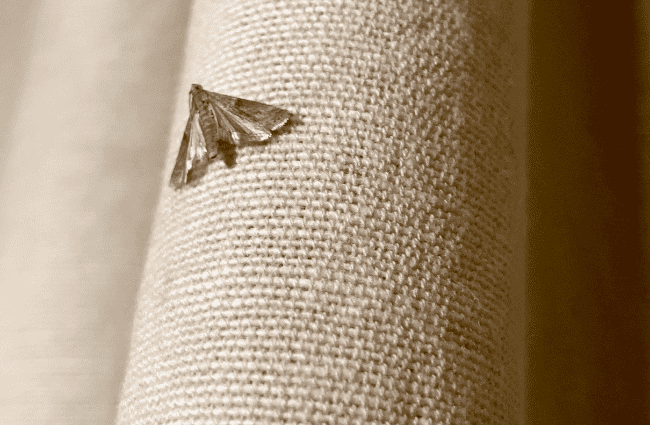
Adult clothes moths are small, delicate insects measuring 1/2 to 3/4 inch in wingspan, appearing tan, buff, or golden-brown with narrow wings folded tent-like over their bodies, and possessing small head and indistinct features.
The webbing clothes moth (Tineola bisselliella) and case-bearing clothes moth (Tinea pellionella) are the primary pest species, with subtle differences in appearance distinguishing them. Adult moths are rarely visible since they’re nocturnal and cryptic, remaining hidden during daylight in closets, stored fabrics, and protected areas.
Clothes moth larvae are the actual destructive stage, appearing as small, whitish caterpillars measuring up to 1/2 inch long, with brown heads and segmented translucent bodies. The webbing clothes moth larvae create silken tunnels in fabric as they feed, while case-bearing clothes moth larvae construct portable cases from fibers and fecal material protecting their bodies as they feed. These larvae are what homeowners typically discover when identifying moth infestations.
Moth eggs are extremely small, nearly invisible to naked eyes, and laid directly on fabric or in protected locations near food sources. Eggs hatch within 5-15 days producing larvae immediately beginning feeding on fabric. The entire lifecycle from egg to adult requires 2-3 months in favorable conditions, enabling multiple generations annually in heated buildings maintaining constant warmth.
Are there multiple types of clothes moths?
Several clothes moth species infest homes, with the webbing clothes moth (Tineola bisselliella) and case-bearing clothes moth (Tinea pellionella) being most common, along with lesser-known species including the brown house moth and diamondback moth occasionally infesting clothing and stored fabrics. Each species has subtle behavioral differences and damage patterns requiring accurate identification for appropriate control strategies.
The webbing clothes moth creates distinctive silken webbing across fabric surfaces as larvae feed, leaving tunnels and holes throughout affected textiles. Larval cases and fecal material accumulate in webbing creating distinctive evidence of infestation. This species prefers undisturbed dark areas in closets and storage spaces where populations can develop undetected for extended periods.
The case-bearing clothes moth creates portable protective cases from fabric fibers and fecal material, dragging these cases across fabric surfaces while feeding. Larvae remain inside cases while feeding on external fabric, protecting vulnerable bodies from threats. Both species damage clothing and stored textiles, though feeding patterns and case/webbing evidence help distinguish between species.
Other less common clothes moth species occasionally appear in homes, though webbing and case-bearing moths account for the vast majority of clothes moth infestations. Identifying specific species helps pest control professionals select appropriate control strategies addressing species-specific behaviors and vulnerabilities.
What kind of damage do clothes moths cause?
Clothes moths cause severe damage to natural fiber clothing and textiles including wool sweaters, silk garments, cashmere items, fur coats, upholstered furniture, blankets, and stored fabrics through larval feeding creating irregular holes, tunnels, and weakened fibers destroying garment integrity.
Damage typically begins inconspicuously with small holes expanding as larvae continue feeding, eventually rendering garments unwearable. Valuable antique textiles, heirloom clothing, and museum-quality fabrics are particularly vulnerable to permanent damage.
Larval feeding creates characteristic damage patterns—webbing clothes moths leave silken tunnels across fabric surfaces, while case-bearing moths create irregular patches of feeding damage as larvae move their protective cases. Fecal matter, shed larval skins, and silken webbing accumulate in and on damaged fabrics, creating additional discoloration and deterioration. Damage often concentrates in seams, cuffs, and folds where fabric is undisturbed providing ideal feeding conditions.
The extent of damage depends on infestation severity and duration—light infestations cause minor holes possibly overlooked briefly, while established populations create substantial damage destroying multiple garments simultaneously. Some textiles receive irreparable damage particularly if infestation persists months before detection. Valuable clothing, antique textiles, and inherited garments face serious risk from clothes moth infestations.
Unlike storage pests attacking food, clothes moths target irreplaceable cultural items and cherished possessions making infestations emotionally impactful beyond economic loss. The combination of sentimental value loss and permanent damage makes early detection and prevention essential for protecting valued clothing and textiles from preventable moth damage.
Where are you most likely to find clothes moths?
Clothes moths concentrate in closets, wardrobes, storage chests, blanket storage, upholstered furniture, and anywhere natural fiber clothing and textiles accumulate providing preferred food sources, with infestations remaining undetected in dark undisturbed areas.
Closets with stored winter clothing, seasonal garments, and infrequently-worn items experience highest infestation rates since undisturbed fabric provides ideal breeding conditions. Storage areas including attics, basements, and furniture storage support large populations.
Bedroom closets containing wool sweaters, silk blouses, cashmere items, and other natural fiber garments are prime infestation sites. Clothes rarely worn provide undisturbed conditions enabling moth larvae to feed undetected for months. Garments stored in plastic bags, cardboard boxes, and sealed containers sometimes harbor infestations since eggs contaminated fabrics or containers before sealing, with larvae developing inside sealed storage.
Upholstered furniture including couches, chairs, and ottomans with wool or natural fiber coverings attract clothes moths, particularly if furniture remains in one location undisturbed. Oriental rugs, wool blankets, antique textiles, and valuable decorative fabrics stored in cabinets, trunks, or chests face significant moth risks. Museums, antique dealers, and textile conservators specifically target clothes moths as threats to valuable collections.
Moth infestations occasionally begin in less obvious locations including used furniture, purchased vintage clothing, or contaminated stored items bringing eggs or larvae into homes. Once established, populations disperse throughout properties infesting multiple clothing storage locations creating widespread damage requiring comprehensive treatment and prevention measures protecting remaining garments.
Are clothes moths dangerous?
Clothes moths pose no direct danger to human health—they don’t bite, sting, or transmit diseases—but they cause severe economic and sentimental damage through fabric destruction affecting valued clothing and irreplaceable textiles. The only health concern is potential allergic reactions to moth allergens in heavily infested spaces, though this is rare. The primary concern is property damage rather than human health threats.
Economic losses from clothes moth damage vary dramatically based on infestation severity and targeted garment value. Light infestations destroying a single sweater may cost $50-$100 to replace, while infestations destroying entire wardrobes can exceed $1,000+ in losses. Damage to antique textiles, heirloom clothing, or vintage collections can involve irreplaceable items impossible to restore or replace.
Sentimental damage from destroyed heirloom items, inherited clothing, or cherished garments creates emotional impact exceeding economic value. Family pieces passed through generations destroyed by moths represent irreplaceable cultural losses. The psychological distress from discovering valued clothing destroyed by pests creates quality-of-life impacts beyond physical damage.
The combination of economic losses, sentimental damage, and potential irreplaceability of destroyed items makes clothes moths formidable household pests despite lacking direct human health threats. Prevention through proper storage, monitoring, and early detection becomes essential protecting clothing from preventable moth damage.
Signs you might have a clothes moth infestation
Multiple indicators help identify clothes moth problems before extensive damage occurs:
- Small holes in clothing: Irregular holes in wool sweaters, silk garments, cashmere items, and natural fiber clothing indicate larval feeding damage.
- Silken webbing on fabrics: Webbing clothes moth larvae create distinctive silken tunnels and webbing across fabric surfaces particularly in closets.
- Protective cases on clothing: Case-bearing clothes moth larvae construct portable cases visible as small brown tubes on or near damaged fabrics.
- Fecal pellets and debris: Accumulations of tiny fecal droppings and shed larval skins on clothing and in closets indicate active moth populations.
- Adult moths in closets: Small tan or buff-colored moths appearing in closets or near stored clothing indicate active infestations.
- Musty odors: Pungent odors from concentrated infestations occasionally permeate clothing and storage areas.
- Damage patterns: Irregular holes concentrating in seams, folds, and undisturbed fabric areas indicate clothes moth damage rather than mechanical wear.
How to prevent a clothes moth infestation
Preventing clothes moth infestations requires proper storage and vigilant monitoring:
- Store clothing in sealed containers: Use airtight plastic storage boxes, cedar chests, or sealed garment bags preventing moth access to clothing and enabling early damage detection.
- Clean garments before storage: Wash or dry-clean clothing thoroughly before storage eliminating eggs and larvae, with particular attention to items not worn frequently.
- Use cedar and mothballs: Place cedar blocks, cedar oil products, or traditional mothballs in storage areas repelling moths, though protection decreases over time requiring replacement.
- Maintain proper temperature: Store clothing in cool temperatures since moths thrive in warmth, with temperature reduction slowing development and reducing reproduction rates.
- Monitor stored clothing: Inspect stored garments periodically for holes, webbing, larvae, or moth droppings, detecting infestations early before extensive damage occurs.
- Reduce humidity: Lower storage area humidity through ventilation and dehumidifiers since moths prefer moist conditions, making dry environments less hospitable.
How to get rid of a clothes moth infestation
Eliminating clothes moth infestations requires comprehensive approaches targeting all life stages:
- Inspect all affected clothing: Examine every garment in affected closets or storage areas identifying damage extent and moth presence, removing contaminated items for treatment.
- Wash or dry-clean infested garments: Heat treatment through washing at hot temperatures kills all moth life stages, with dry cleaning providing alternative treatment for delicate items.
- Freeze contaminated fabrics: Place items in freezers at 0°F or below for 2+ weeks killing moth eggs and larvae, providing chemical-free treatment for delicate textiles.
- Apply residual treatments: Use appropriate insecticides in closets, storage areas, and around furniture targeting adult moths and larvae, following label directions carefully.
- Deploy pheromone traps: Place clothes moth pheromone traps in closets monitoring adult populations and confirming control success, with traps indicating reinfestation if populations return.
- Contact professional pest control: Seek expert assistance for severe infestations, valuable textile protection, or persistent problems exceeding homeowner management capabilities requiring professional expertise.
Conclusion
When dealing with clothes moth infestations throughout your property and need expert assessment and pricing for protecting valued clothing and textiles, contact our partners today for a free quote and comprehensive evaluation.
Our pest control experts will assess the extent of clothes moth damage to your garments and stored fabrics, provide transparent pricing for appropriate treatment options including fabric inspection and moth elimination, explain what services are included in quoted costs from initial assessment through follow-up monitoring, and discuss seasonal variations in clothes moth activity.
Frequently Asked Questions about clothes moths
Here are some common questions from homeowners about clothes moths.
A: Clothes moths don’t bite humans—they possess no biting mouthparts designed for attacking people. Only larval clothes moths feed, and they consume only fabric fibers, never targeting human skin or tissue. Adult moths don’t bite either, feeding only on nectar or not feeding at all. Clothes moths are completely harmless to humans posing zero direct physical threat despite fabric damage they cause.
A: Clothes moths most commonly enter homes through contaminated used furniture, purchased vintage or thrift-store clothing harboring eggs or larvae, stored items containing infested textiles, and occasionally through open windows or doors during warm months. Once inside, populations establish in closets and storage areas infesting additional garments. Proper inspection of secondhand items before bringing them indoors can prevent introducing infestations.
A: Natural methods include freezing infested garments at 0°F for 2+ weeks killing all moth life stages, using cedar blocks and cedar oil repelling moths, heat-washing contaminated clothing at hot temperatures, and thorough vacuuming removing larvae and eggs. Proper storage in sealed containers and regular monitoring combined with natural methods provides chemical-free clothes moth control without pesticide applications affecting delicate fabrics.