
Diseases Carried by Rodents: What Every Homeowner Should Know

Beyond causing damage to property and contaminating food, rodents, especially rats and mice, are carriers of numerous illnesses that can affect humans. Hidden in their fur, saliva, urine, and feces are dangerous pathogens that can make your family sick.
Understanding the diseases carried by rodents isn’t just about awareness–it’s also about prevention. This article will guide you through the most common rodent diseases, their transmission, the symptoms of rodent-borne diseases to watch for, and practical steps to reduce your risk and your family’s.
Why Rodents Are a Public Health Risk
Rodents are highly adaptable creatures. Their ability to squeeze through tiny openings and survive in various environments makes them common intruders in homes, garages, basements, and attics.
Unfortunately, their survival tactics often bring them into close contact with trash, sewage, dead animals, and other sources of disease. When they move into your home, they carry bacteria, viruses, and parasites that they have picked up along the way.
Rodents don’t have to bite or scratch to transmit illnesses. They contaminate food, surfaces, and air through their urine, saliva, droppings, nests, and dander. Even indirect contact, such as breathing in dust from dried feces, can expose you to harmful pathogens.
These diseases carried by rodents range from mild to life-threatening, and some have the potential for outbreaks if not managed properly.
How Rodent Diseases Spread in the Home
Rodents do not transmit diseases simply by their presence. Here are several ways they can introduce rodent-borne diseases into your home:
- Contaminated surfaces: Rodents leave behind droppings and urine as they travel across floors, countertops, and storage areas.
- Food contamination: Open food containers, pet food dishes, and improperly stored pantry items are common targets for hungry rodents.
- Airborne transmission: Dried waste material can become airborne when disturbed, leading to inhalation of pathogens.
- Pet exposure: Cats and dogs may hunt or interact with rodents, increasing the risk of transmission to the household.
Common Rodent Diseases in the U.S.
The range of rodent diseases is broad, but several are especially relevant for residential settings. Below is a detailed overview of some of the most frequently encountered diseases carried by rodents and their symptoms:
Hantavirus Pulmonary Syndrome (HPS)
Hantavirus is a rare but often fatal respiratory disease transmitted by inhaling particles from the urine, droppings, or saliva of infected rodents, most commonly deer mice in North America.
It doesn’t spread from person to person, but the risk increases during cleanup, when disturbing contaminated areas can release the virus into the air. Here’s what you need to know about how the virus spreads and the symptoms to watch for:
- Transmission: When rodent urine, droppings, or saliva dry out, tiny particles can float in the air and be breathed in, especially in small, enclosed spaces like sheds or cabins.
- Symptoms of HPS: Early signs include fatigue, fever, and muscle aches. As it progresses, severe coughing and shortness of breath develop due to inflammation of the lungs. HPS can lead to respiratory failure and is potentially fatal without prompt medical care.
Leptospirosis
Leptospirosis is a bacterial infection caused by the bacterium Leptospira, which is commonly found in the urine of infected rodents, particularly rats. These bacteria can persist in water or soil for weeks, posing a risk to both pets and humans.
The infection tends to thrive in warm, moist environments and becomes more prevalent following heavy rains or floods that spread contaminated water. Here’s what you should understand about how leptospirosis spreads and the symptoms it can cause:
- Transmission: This disease enters the body through cuts, abrasions, or mucous membranes, such as the eyes, nose, or mouth, when exposed to contaminated water or damp environments.
- Symptoms of leptospirosis: Symptoms can range from mild flu-like symptoms to severe illness causing kidney damage, liver failure, meningitis, or respiratory distress.
Salmonellosis
Salmonellosis is caused by the bacterium Salmonella, which rodents can easily spread by contaminating food or surfaces with their feces. Although the disease usually resolves within a week, it poses a greater risk to young children and the elderly. What makes rodents particularly concerning is that they can carry and shed Salmonella bacteria without showing any signs of illness themselves.
This means that even a small amount of contaminated droppings in your pantry or on kitchen counters can trigger an outbreak in your household. Here’s an overview of how salmonellosis is transmitted and the symptoms it produces:
- Transmission: Consuming food or water contaminated with rodent feces or direct contact with infected rodents can lead to this infection.
- Symptoms of salmonellosis: Symptoms include diarrhea, fever, abdominal cramps, nausea, and vomiting, typically appearing 6 to 72 hours after exposure.
Lymphocytic Choriomeningitis (LCM)
Lymphocytic Choriomeningitis is a viral infection transmitted primarily by the common house mouse. While LCM is generally not life-threatening, it can cause severe complications in pregnant women and those with weakened immune systems. To fully understand the risks involved, here’s a closer look at how the virus spreads and the symptoms it causes:
- Transmission: Humans can contract the virus through contact with fresh rodent urine, droppings, saliva, nesting materials, or by inhaling contaminated dust.
- Symptoms of LCM: Initial symptoms resemble flu, including fever, fatigue, lack of appetite, muscle aches, and headache. It can progress to neurological symptoms such as meningitis or encephalitis, causing headaches, confusion, or even seizures.
Plague
While plague may sound like something out of a history book, it hasn’t entirely disappeared. Though rare in modern urban settings, it can still occur, particularly in parts of the western United States.
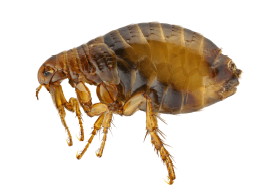
The bacterium Yersinia pestis is typically transmitted by fleas that live on wild rodents such as rats. In some cases, pet cats and dogs can carry infected fleas indoors, increasing the risk of exposure at home. Here’s how it’s transmitted and what symptoms to be aware of:
- Transmission: Plague bacteria spread through flea bites from infected fleas that live on rodents or through direct contact with infected animals.
- Symptoms of the plague: Symptoms include sudden fever, chills, headache, muscle aches, and swollen, painful lymph nodes known as buboes. Without treatment, the disease can rapidly progress to pneumonia or septicemia.
Rat-Bite Fever (RBF)
Rat-bite fever is caused by one of two types of bacteria: Streptobacillus moniliformis or Spirillum minus. These bacteria naturally live in rodents and can easily infect humans who come into close contact with them. While the illness is uncommon, prompt diagnosis and treatment are important to prevent complications.
- Transmission: Rat-bite fever spreads through bites or scratches from infected rodents or through contact with their urine or droppings.
- Symptoms of rat-bite fever: Fever, rash, vomiting, and joint pain are common symptoms, and if left untreated, the infection can lead to serious complications such as endocarditis or meningitis.
Tularemia
Tularemia, often referred to as “rabbit fever,” is a rare yet potentially deadly disease caused by the bacterium Francisella tularensis. This bacterium is commonly found in rodents and can be transmitted through tick bites or direct contact with infected animals.
Because outdoor pets sometimes hunt or scavenge rodents, they can inadvertently bring the disease into your home, raising the risk of exposure for your household. Here’s what you need to know about how this bacterium spreads and the potential risks involved:
- Transmission: The bacterium spreads through tick bites, direct contact with infected animals, or inhaling contaminated dust.
- Symptoms of tularemia: A skin ulcer at the infection site, fever, swollen lymph nodes, and pneumonia are typical symptoms of the infection.
What to Do if You Suspect Rodent Disease Exposure
If you suspect you or a family member has been exposed to diseases carried by rodents, it is important to act promptly and responsibly:
- Avoid further exposure: Immediately minimize contact with areas or materials suspected to be contaminated by rodents. This includes avoiding rodent droppings, nests, and any areas where rodent activity is evident. Keep pets away from these areas as well to prevent further transmission.
- Protect yourself: If you need to handle materials potentially contaminated by rodent urine or feces, wear protective gloves and a mask (preferably an N95 respirator) to reduce the risk of inhaling infectious particles.
- Clean contaminated areas: Do not sweep or vacuum rodent droppings or urine directly, as this can release infectious particles into the air. Instead, spray contaminated areas with a disinfectant or a bleach solution and wipe up with disposable paper towels. Dispose of cleaning materials in sealed plastic bags.
- Seek medical attention: If you begin to notice symptoms of rodent-borne diseases after potential exposure, seek medical care immediately. Early diagnosis and treatment can significantly improve outcomes for many rodent-related illnesses.
- Communicate with healthcare providers: When visiting a healthcare provider, clearly explain your potential exposure to rodent diseases, including the location, date, and any rodent activity that occurred. This helps your doctor choose the right diagnostic tests, such as blood work or imaging. Treatments vary; some diseases respond well to early antibiotics, while others need supportive care.
How to Reduce Your Risk of Rodent-Borne Diseases
Preventing contact with rodents and their waste is the most effective way to avoid rodent-borne diseases. Here are strategies you can use:
- Seal entry points: Inspect your home’s exterior and seal gaps around pipes, vents, doors, and windows with metal mesh, steel wool, or caulk.
- Maintain cleanliness and food storage: Keep all food, including pet food, in sealed containers made of glass, metal, or heavy plastic. Clean up crumbs and spills immediately. Avoid leaving food out overnight. Regularly clean kitchen surfaces and appliances.
- Remove clutter and debris: Rodents love nesting in piles of newspapers, cardboard, firewood, and clutter. Keep storage areas organized and off the floor. Dispose of garbage promptly and keep outdoor trash bins sealed.
- Manage outdoor habitat: Trim trees, shrubs, and grass away from the house. Remove brush piles and standing water that can harbor rodents or their vectors.
When to Call a Professional Pest Control Service
While some homeowners may feel comfortable handling small pest infestations themselves, professional pest control services offer far more reliable solutions. These experts conduct detailed inspections to uncover the full extent of the problem, often discovering hidden nests or entry points that might otherwise be missed.
They employ advanced trapping and baiting techniques tailored to the specific pest, thereby increasing the likelihood of thoroughly addressing the infestation. In addition to removal, pest control professionals provide practical advice on preventing future problems by identifying and addressing vulnerabilities in your home.
Stop Rodents Before They Spread Disease—Contact Pest Control Experts!
Rodent diseases don’t just pose a risk to your health; they compromise the cleanliness and livability of your living space. If you’re dealing with rodent issues or concerned about the possible diseases carried by rodents, don’t wait for the problem to grow.
Contact Pest Control Experts for an inspection, removal, and a customized prevention plan tailored to your home’s specific needs. Our team connects you with trusted local professionals who understand the unique challenges in your area and can provide long-lasting solutions.
FAQs About Rodent Disease Exposure
Rodent diseases can be confusing and unpredictable. Here are answers to some of the frequently asked questions about rodent disease exposure
Are rodent diseases contagious between people?
Most rodent diseases are not spread from person to person. Diseases carried by rodents are usually transmitted through direct or indirect contact with the rodent or its contaminated environment. For example, you can contract leptospirosis from water tainted with rodent urine, but you can’t catch it from someone who already has it.
However, some severe rodent-borne diseases, like pneumonic plague, have been known to spread between humans through respiratory droplets in rare circumstances. It’s essential to consult a healthcare provider if you’re experiencing symptoms of a rodent-borne disease and may have exposed others.
How long can pathogens from rodent droppings remain infectious?
The bacteria and viruses associated with diseases carried by rodents can remain viable in dried feces and urine for several days or even weeks, depending on environmental conditions.
For example, hantavirus remains infectious in dried droppings for up to a week indoors and even longer in cooler, undisturbed spaces. This means you can be exposed to rodent-borne diseases well after the rodents are gone.
Do all rodents carry the same diseases?
No, different species are associated with different pathogens. For example, deer mice are the primary carriers of hantavirus, while Norway rats are more commonly linked to leptospirosis and rat-bite fever. Some diseases carried by rodents are more regionally or species-specific, which influences your household’s risk.
How long does it take to get sick after exposure?
The incubation period for rodent diseases varies depending on the pathogen. For example, hantavirus symptoms typically appear 1 to 5 weeks after exposure, while salmonellosis may show signs within 6 to 72 hours.
This delay can make it difficult to connect symptoms of rodent-borne disease to the initial exposure. If you begin to feel unwell after cleaning a rodent-infested area, visiting a cabin, or coming into contact with rodent droppings, please inform your doctor immediately.
Can I get reinfected with a rodent disease after recovery?
Yes, reinfection is possible, especially with bacterial rodent diseases such as leptospirosis and salmonellosis. Immunity may develop in some cases, but it’s not guaranteed or lifelong. A second infection can sometimes be more severe, especially if it’s not immediately recognized or properly diagnosed.