
Fruit Flies in the House: Causes, Behavior, and Prevention Tips
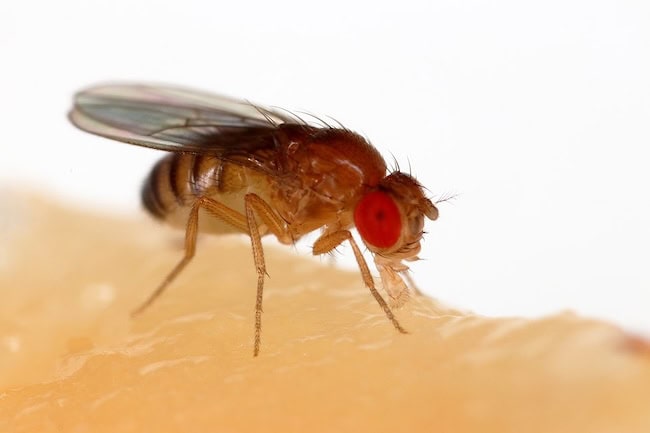
Fruit flies are a common pest in homes across the United States. Their tiny size, quick reproduction, and attraction to sweet or decaying materials make them a persistent problem for homeowners.
If you have these pests in your house, you might be wondering, ‘Where do fruit flies come from, and why do they seem to appear out of nowhere?‘ In this guide, we’ll explore the origins of fruit flies in the house, their life cycle, common breeding sources, and practical strategies for how to get rid of fruit flies.
What Are Fruit Flies and What Do They Look Like?
Fruit flies, also known as Drosophila melanogaster, are tiny insects measuring about 1/8 of an inch long. Unlike house flies that buzz around garbage or decaying matter and gnats that are drawn to soil or decaying plant matter, fruit flies prefer sugary, fermenting substances.
They’re easy to recognize by their red or dark eyes, tan bodies, and translucent wings, which are often seen fluttering near food or drink sources. Despite their small size, fruit flies are fast fliers and can dart around kitchens, drains, and garbage bins, making them difficult to catch.
Life Cycle of Fruit Flies
The life cycle of fruit flies begins when female fruit flies lay eggs on moist, fermenting surfaces, such as overripe fruit, drains, or food waste. Within about 24 to 30 hours, the eggs hatch into larvae, commonly called maggots. These tiny, worm-like larvae feed on the decaying organic material, absorbing nutrients to fuel their rapid growth.
After about 4 to 5 days, they crawl to a dry surface to pupate. During the pupal stage, the larvae transform into adult flies. In another 2 to 3 days, fully developed fruit flies emerge, ready to reproduce and start the cycle all over again.
Understanding the Behavior of Fruit Flies
If you’ve noticed fruit flies in the house hovering near your sink, trash bin, or fruit bowl, understanding their habits can help explain where fruit flies come from and why they’re so hard to eliminate once they settle in. Let’s take a look at them below:
Attraction to Fermentation
Fruit flies are susceptible to the scents produced by fermenting foods, which is a significant reason you notice fruit flies in the house. One of the main things they detect is carbon dioxide (CO2), a gas produced when yeast, during ripening or fermentation, breaks down sugar.
Interestingly, a fruit fly’s “nose” isn’t located where you’d expect. It’s actually on its 2 antennae, which are covered in tiny sensory hairs called sensilla. Each of these hairs contains a special cell that detects smells, allowing the fly to follow the scent of CO2 or the sweet, fruity odors from rotting produce directly to its food source.
Rapid Reproduction
One of the most frustrating aspects of a fruit fly infestation is how quickly their population explodes. Each female can lay up to 500 eggs in her short lifetime, often choosing spots rich in sugars and yeast where her larvae will have plenty to feed on.
Under ideal indoor conditions, such as warm temperatures and available food, fruit flies can progress from egg to adult in just 7 to 10 days, meaning a single piece of forgotten fruit can lead to an infestation in just over a week.
Nocturnal Rest and Daytime Activity
Fruit flies are primarily active during daylight hours, particularly in the morning and late afternoon. At night, they rest on walls, ceilings, or other surfaces near food sources. This behavior often makes them seem to vanish after dark, only to reappear when activity resumes during the day.
Attraction to Moisture and Light
Beyond fermenting substances, fruit flies seek out damp, humid environments to reproduce. Common indoor hotspots include sinks, mops, dishcloths, garbage disposals, and even condensation around leaky pipes.
They are also mildly attracted to light, which explains why you might see them hovering near windows or kitchen lamps.
Surface Hopping and Clustering
Instead of constantly flying, fruit flies frequently land, hop, and crawl across surfaces. This behavior isn’t random. It helps them spread eggs and larvae to multiple sites, increasing their odds of survival.
You might see them clustering around the rim of a glass, a damp sponge, or even a drain opening. Each of these spots could serve as a potential breeding site if not properly cleaned.
Persistent Presence
Even after you’ve removed visible food sources, adult fruit flies can live for 2 to 4 weeks indoors. During that time, they continue searching for hidden residues, such as fruit juice that’s seeped under appliances or organic buildup in garbage disposals.
Fruit flies are also drawn to the presence of other fruit flies. Once a fly discovers a food or breeding source, it leaves chemical cues that attract others. This leads to swarming behavior, which accelerates a fruit fly infestation by concentrating more flies in a single area where food and moisture are present.
6 Common Sources of Fruit Flies in the House
Fruit flies aren’t picky about where they breed, as long as it’s moist and has organic material. Below are the 6 common hidden sources homeowners often overlook when trying to figure out where fruit flies come from:
1. Overripe or Rotting Fruit and Vegetables
Fruits such as bananas, tomatoes, apples, and berries can start fermenting within hours when left at room temperature. The sugars and alcohol by-products released during fermentation are irresistible to fruit flies, which explains why you often find them hovering over fruit bowls.
Softer, sweeter fruits attract the most flies and can rapidly become a breeding ground if not eaten or stored promptly.
2. Garbage Cans and Compost Bins
Trash cans and compost containers are ideal breeding grounds, even if they contain only small amounts of leftover food. Scraps stuck to the sides of bags or bins provide both moisture and decaying organic material, creating the perfect environment for fruit fly eggs to hatch and larvae to grow.
3. Kitchen Drains and Disposals
Sink drains are often overlooked, but are among the most common breeding sites for fruit flies in the house. Food particles that get trapped in pipes or disposal units create a damp, nutrient-rich environment that supports both adult flies and developing larvae.
Even a seemingly clean sink can harbor residue in crevices, allowing fruit flies to reproduce unnoticed.
4. Empty Bottles and Cans
Containers that hold juice, soda, wine, or beer can attract fruit flies almost immediately if not rinsed thoroughly before recycling. The leftover sugars and fermentation odors act like a beacon, drawing flies from across the kitchen.
Glass and plastic bottles are particularly problematic because the scent lingers inside, providing a persistent food source.
5. Mop Buckets and Cleaning Rags
Cleaning tools that stay damp or collect organic debris, like mop buckets, sponges, and dishcloths, can be surprising hotspots for fruit fly activity. The combination of moisture and leftover organic matter provides an ideal spot for laying eggs, which makes these items hidden sources of fruit flies in the house.
6. Indoor Plants and Soil
Overwatered houseplants, especially those with decaying leaves or constantly moist soil, can become an unexpected breeding ground for fruit flies. While not as immediately obvious as food scraps or rotting produce, plant soil provides an ideal environment for fruit fly larvae to develop.
The soil moisture encourages larvae to hatch, while decaying organic matter, such as fallen leaves, provides a steady food supply.
How to Get Rid of Fruit Flies + Prevention Tips
When homeowners wonder how to get rid of fruit flies, the solution requires tackling both the immediate problem and preventing future infestations. Here are a few tips on how to get rid of fruit flies and keep them from coming back:
- Remove their food sources: Discard overripe or spoiled produce, empty trash cans, and thoroughly clean recycling bins. Don’t forget to wipe down countertops, mop floors, and rinse out sponges or cloths that may harbor residues.
- Clean drains and garbage disposals: Pour boiling water or a vinegar-and-baking-soda mixture down the drain to dislodge organic buildup. Use a drain brush if necessary to scrub inside the pipes.
- Use traps to capture adults: Fill a small bowl with apple cider vinegar, add a drop of dish soap, and cover it loosely with plastic wrap with small holes poked in it. The vinegar attracts the flies, while the soap breaks the surface tension, trapping them in the liquid.
- Rinse and inspect produce: If you purchase fruits or vegetables from local markets, rinse them immediately upon bringing them home. Doing so removes potential eggs that might already be attached to the surface. And, keep fruits refrigerated or stored in sealed containers.
- Seal entry points: Check windows, doors, and vents for gaps or tears in screens, and repair any damage promptly. Even small openings can allow flies to sneak in from outdoors, especially during warmer months when they are most active.
When to Call a Pest Control Professional?
If fruit flies in the house persist despite cleaning, removing food sources, and using traps, it may indicate hidden breeding sites that are hard to reach. Understanding where fruit flies come from helps, but professional pest control services have the tools and expertise to locate and treat overlooked areas.
For homeowners struggling with how to get rid of fruit flies, especially during an advancing infestation, professionals tackle the problem with targeted treatments, including specialized traps, insecticides, and sanitation measures to eliminate both adult flies and larvae.
Stop Fruit Flies from Multiplying in the House with Pest Control Experts
Fruit flies in the house can multiply quickly, leading to a frustrating infestation. If you’re noticing swarms around your fruit bowls, sinks, or trash bins, and are wondering how to get rid of fruit flies, our trusted local pest control services are here to help.
Contact Pest Control Experts today to get a quote and schedule your home inspection so you can take control of your fruit fly infestation before it gets worse!
Frequently Asked Questions About Fruit Flies in the House
To guide you on how to get rid of fruit flies, we’ve answered the most common questions homeowners ask.
A: Fruit flies in the house usually find their way indoors by following the scent of fermenting or sugary foods. Their tiny size allows them to slip through open doors, cracked windows, or damaged screens with ease.
Often, they hitch a ride on fresh produce, grocery bags, or even empty bottles and cans that still contain traces of juice or soda. Outdoor sources, such as compost bins, garbage, or overripe fruit near entrances, further guide them inside.
A: While fruit flies in the house are generally more of a nuisance than a direct threat, they can still contaminate food with bacteria picked up from drains, garbage, or decaying matter. They also damage fruits and vegetables by laying eggs on their surfaces, and as the larvae feed, the produce spoils more quickly.
Even a minor infestation can noticeably reduce the shelf life of stored food. Although fruit flies do not bite or sting, a large infestation can compromise overall hygiene and cleanliness. Their presence also often signals that food is fermenting or decaying, which can attract other pests and create a continuous cycle of contamination.
A: Yes, moist pet food, spilled kibble, or water bowls can attract fruit flies in the house. Even small amounts of leftover food provide moisture and nutrients for egg-laying, creating a perfect environment for a fruit fly infestation to start.
The flies are specifically drawn to the sugars, proteins, and fats in the food, which mimic the fermenting organic matter they naturally seek. Moreover, flies can carry bacteria from pet food to human food or other surfaces, creating an added hygiene risk.