
German Cockroach vs. Brown-Banded Cockroach: An Identification Guide
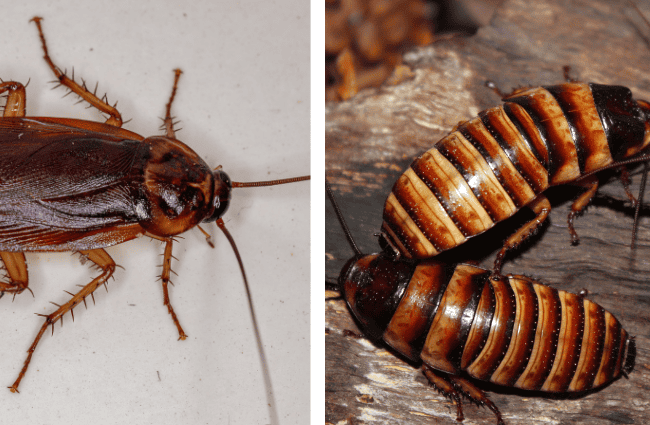
What is the first thing you do when a cockroach scurries across your floor? Most of us act fast, but quick action isn’t enough. You need to know whether you’re dealing with a German cockroach vs. Brown-banded cockroach to address the problem the right way.
These two types of cockroaches are the most common found in U.S. homes. At first glance, they may look similar, but they live in different places, behave in different ways, and require different approaches when it comes to control.
In this article, we’ll break down the differences between these two types of cockroaches so you can better understand what might be hiding in your home.
What Are German Cockroaches?
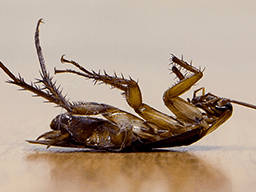
German cockroaches are among the most common roaches found inside U.S. homes. They are light brown to tan and usually measure about half an inch in length. A defining feature is the presence of two dark stripes that run lengthwise just behind the head.
These cockroaches are very quick and tend to gather in areas where food and water are easily available. Because they depend heavily on moisture, they are most often seen in kitchens, bathrooms, and other damp spaces such as around sinks, drains, or behind appliances. Their ability to multiply rapidly makes them one of the more challenging species to deal with indoors.
What Are Brown-banded Cockroaches?
Brown-banded cockroaches are slightly smaller than German cockroaches and can be identified by the pale bands that stretch across their wings and abdomen. Unlike German cockroaches, which are closely tied to damp conditions, Brown-banded cockroaches prefer dry, warmer areas of a house.
They often spread beyond kitchens and bathrooms, hiding in living rooms, bedrooms, and inside furniture or electronics. Their choice of hiding places can make them harder to detect, since they are not always near obvious food or water sources.
German Cockroach vs. Brown-banded Cockroach: Side-by-Side Comparison
To understand these pests more clearly, it helps to look at their traits in detail:
Size:
- German cockroach: About ½ to ⅝ inch
- Brown-banded cockroach: About ½ inch
Color and Markings:
- German cockroach: Light brown with two dark stripes behind the head
- Brown-banded cockroach: Light brown with pale horizontal bands on wings and abdomen
Habitat:
- German cockroach: Warm, humid areas near kitchens and bathrooms
- Brown-banded cockroach: Warm, dry areas such as ceilings, furniture, and electronics
Infestation Pattern:
- German cockroach: Stays close to food and water
- Brown-banded cockroach: Found throughout different rooms in a home
Reproduction:
- German cockroach: Egg capsules may contain up to 50 eggs
- Brown-banded cockroach: Egg capsules may contain 14 to 18 eggs
Physical Differences
German cockroaches are slightly larger, averaging between half an inch and five-eighths of an inch long, and their bodies are slim with smooth, light brown coloring. The most noticeable feature is the two dark, parallel stripes located just behind their head, which are not seen in other household roaches.
Brown-banded cockroaches, by comparison, are a little smaller at about half an inch long, and they appear more patterned. Their wings and abdomen are marked with pale, horizontal bands that stand out against their lighter brown bodies.
Habitat Differences
German cockroaches are almost always associated with moisture and are drawn to areas where food and water are easy to reach. They are most often found hiding behind refrigerators, inside dishwashers, or in cracks and crevices around sinks and drains.
Brown-banded cockroaches prefer much drier and warmer environments. They often hide in places you might not expect, such as furniture, high shelves, behind picture frames, or even inside electronics like televisions.
This difference in preference means that German cockroaches stay clustered near kitchens and bathrooms, while Brown-banded cockroaches may be scattered throughout a home.
Reproduction and Life Cycle
The reproduction patterns of these two species also highlight their differences. German cockroaches carry egg capsules, known as oothecae, that can contain up to 50 eggs. Because they also have a short development cycle, populations can expand quickly, making infestations difficult to manage once established.
Brown-banded cockroaches reproduce at a slower pace. Their oothecae carry between 14 and 18 eggs, and they take longer to develop. This means their infestations usually spread less aggressively compared to German cockroaches.
Signs of Infestation
The signs of an infestation between these two species vary based on where they live.
The signs of a German cockroach infestation are usually concentrated in areas where food and water are present. Homeowners may notice small, dark specks of droppings along counters, cabinet shelves, or near appliances.
In heavier infestations, there may also be a musty or oily odor, along with shed skins or egg capsules hidden in moist cracks near sinks and drains.
Brown-banded cockroaches leave different evidence, often scattered in less obvious places. Their droppings may be seen on furniture, shelves, or even walls, and they are more likely to leave egg capsules glued to ceilings, behind picture frames, or tucked inside appliances.
Because they spread throughout the house rather than staying in kitchens and bathrooms, the signs of their presence may be harder to connect at first.
Health Concerns Linked to Cockroach Infestations
Cockroach infestations can also affect health in several ways. These pests leave behind droppings, saliva, and shed skins that break down into tiny particles. Once mixed with household dust, these particles can circulate through the air and trigger allergic reactions. For people with asthma, breathing in cockroach allergens can cause flare-ups and more frequent attacks.
Public health agencies have long recognized cockroach exposure as a serious asthma trigger, especially in children. The CDC (Centers for Disease Control and Prevention) reports that children in homes with cockroach infestations are more likely to experience wheezing, missed school days, and visits to the emergency room. Scientists have even identified proteins in German cockroaches, known as “Bla g 1” and “Bla g 2,” that are particularly powerful allergens.
Cockroaches can also contaminate food and surfaces as they move from one area to another. Studies show cockroaches may carry bacteria such as Salmonella and Staphylococcus on their bodies, which can be spread to counters or stored food.
While most foodborne illnesses come from improperly handled food, the presence of cockroaches in kitchens increases the chances of germs being introduced into meals.
How to Prevent Cockroach Infestations at Home
Keeping cockroaches out of your home starts with good sanitation and regular inspections, but the right steps depend on the type of cockroach you’re dealing with. Since German and Brown-banded cockroaches behave differently, prevention works best when it’s matched to their habits.
Tips to Prevent German Cockroaches
German cockroaches are drawn to damp areas, but these tips can make those spots far less inviting:
- Repair plumbing leaks quickly: Even a slow drip under the sink can provide enough water for German cockroaches to survive.
- Wipe down counters and stovetops: Grease and crumbs left after cooking are one of German cockroaches’ biggest food sources.
- Rinse dishes right away: If you can’t wash them immediately, rinsing off scraps helps prevent feeding overnight.
- Take out the trash daily: Use a bin with a snug lid and avoid letting garbage pile up inside.
- Seal cracks and gaps: Use caulk around plumbing, baseboards, and wall joints where roaches may hide or travel.
- Keep pet food sealed: Store kibble in a container with a tight lid and avoid leaving bowls out overnight.
- Place baits in hidden areas: Use gel baits or bait stations near sinks, cabinets, and appliances can help reduce activity between cleanings.
Tips to Prevent Brown-banded Cockroaches
To keep brown-banded cockroaches from spreading indoors, focus on these prevention habits:
- Check furniture and electronics: Look inside couches, nightstands, or even electronics like TVs, where they may hide in the warmth.
- Vacuum rooms weekly: Go beyond floors, vacuum along baseboards, under furniture, and inside closets to pick up droppings, egg cases, and crumbs.
- Declutter storage areas: Remove unused cardboard boxes, newspapers, and piles of paper where roaches often nest.
- Store items in sealed containers: Clothing, linens, and decorations are safer in plastic bins with lids than open boxes.
- Inspect walls and ceilings: Brown-banded roaches glue egg cases to high surfaces, so check behind wall art and along ceiling edges.
- Check behind wall hangings: Picture frames, clocks, and mounted décor can hide cockroaches.
- Dispose of egg cases carefully: Scrape them into a sealed bag or vacuum them with a hose attachment, then empty the vacuum outside.
How to Know if It’s Time for Professional Pest Control
Seeing one cockroach is bad enough, but spotting several at the same time usually means there are many more hiding nearby. Cockroaches breed quickly and are experts at staying out of sight, so what begins with just a few can turn into a much bigger issue before you realize it. When there are too many to count, it’s often more than you can manage on your own.
If you’ve cleaned up, sealed gaps, and tried store products but roaches are still around, it’s a clear sign the infestation is larger than it looks. At that point, calling a professional pest control service is the best way to finally get the problem under control.
FAQs About German Cockroach vs. Brown-banded Cockroach
Got more questions about German and Brown-banded cockroaches? Here are the questions people ask most often and the answers you need to know.
Do German and Brown-banded cockroaches fly?
German cockroaches do not fly, while Brown-banded cockroaches can glide short distances but rarely take flight. German cockroaches stick to running, while male Brown-banded roaches can glide when disturbed but usually prefer crawling and hiding.
How long can a cockroach survive without food or water?
Cockroaches can survive about a month without food, but usually only a week without water. They are hardy insects that can slow down their metabolism when food is scarce, but they need moisture to survive.
Why are cockroaches attracted to clean homes?
Cockroaches are attracted to clean homes because they are looking for food, water, and shelter. A spotless house may not have crumbs lying around, but cockroaches can still find what they need in small places.
Do cockroaches bite people?
Cockroaches rarely bite people, but they can happen in heavy infestations. Most roaches prefer food scraps and garbage, not people, but if their population grows too large and food is scarce, they may nibble on human skin, usually at night. The bigger concern isn’t the bite itself but the germs cockroaches can spread as they crawl through kitchens and living spaces.
Do cockroaches carry diseases that affect pets?
Yes, cockroaches can carry bacteria and parasites that may affect both people and pets. If pets eat contaminated food or come into contact with surfaces that roaches have touched, they may also be at risk of stomach issues or infections. While pets are not the main target for cockroaches, the germs they leave behind can affect any household member.
Get Relief from Cockroach Problems with Pest Control Experts
Cockroaches multiply quickly, spread germs, and can hide in the smallest cracks. Even with regular cleaning and store-bought sprays, these pests often return and continue to cause problems.
But you don’t have to deal with cockroaches on your own. Pest Control Experts connects you with trusted local pest control services that know how to address German cockroaches, Brown-banded cockroaches, and other common species.
Contact Pest Control Experts today for a quote and move closer to the relief you’ve been looking for.