

If your dog is scratching constantly, biting at their fur, or rubbing against furniture trying to relieve discomfort, fleas could be the culprit. Fleas are extremely common parasites affecting pets, and persistent scratching is often the first noticeable sign of infestation. Understanding how to identify fleas on your dog and implement effective control measures protects both your pet’s health and prevents flea populations from establishing throughout your home.
Recognizing the Signs of Fleas on Your Dog
Before you can treat a flea problem, you need to confirm your dog actually has fleas. Watch for these common behavioral indicators:
- Excessive scratching and biting: Your dog may scratch continuously, particularly around the neck, base of tail, and hindquarters where fleas concentrate their feeding activity.
- Restless behavior: Infested dogs often seem uncomfortable, frequently changing positions, unable to settle down, or showing signs of agitation from constant irritation.
- Hair loss and skin damage: Persistent scratching and biting can create bald patches, red inflamed skin, and open sores that become vulnerable to secondary bacterial infections.
- Visible skin irritation: You might notice small red bumps, scabs, or hot spots on your dog’s skin where repeated flea bites have caused localized allergic reactions.
How to Check Your Dog for Fleas
Checking your dog for fleas requires careful examination of their fur and skin, particularly in warm areas where fleas prefer feeding including around the neck, base of the tail, belly, and inner thighs.
What to Look For
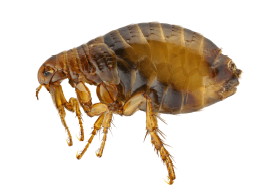
Use a fine-toothed flea comb to part the fur and examine the skin closely, looking for small dark brown or black insects measuring about 1/16 inch that move quickly through the coat when disturbed. If you don’t see live fleas immediately, look for “flea dirt”—small black specks resembling ground pepper that are actually flea feces consisting of digested blood.
The Flea Dirt Test
To confirm flea dirt, place the specks on a damp white paper towel; if they turn reddish-brown, it’s flea waste rather than regular dirt. This simple test provides definitive proof of flea presence even when you can’t catch live fleas during inspection.
Where Fleas Hide
Run the flea comb through your dog’s coat slowly, paying special attention to these high-risk areas:
- Base of the tail: Fleas love this warm, protected area with easy access to blood vessels
- Around the neck and ears: Dense fur provides cover while proximity to the head makes feeding convenient
- Belly and inner thighs: Thin skin in these areas allows easier feeding access for hungry fleas
- Under the legs: Warm, moist conditions create ideal flea habitat in these protected zones
Even if you don’t find live fleas during inspection, the presence of flea dirt confirms infestation since flea feces can only come from feeding fleas on your pet.
Advanced Symptoms: Flea Allergy Dermatitis
Watch for behavioral signs beyond scratching including excessive licking, biting at the skin, restlessness, and visible skin irritation with redness or small bumps where fleas have bitten. Some dogs develop flea allergy dermatitis—severe allergic reactions to flea saliva causing intense itching from even a single bite, resulting in hair loss, skin infections, and obsessive scratching that continues long after fleas are removed.
What to Do If You Find Fleas on Your Dog
Once you’ve confirmed fleas, immediate action prevents the infestation from spreading throughout your home. Here’s a comprehensive approach to flea elimination:
Keep Soapy Water Handy During Combing
When using your flea comb to check your dog, keep a bowl of soapy water nearby to immediately drown any live fleas you capture. Fleas are notoriously difficult to kill by crushing due to their hard, laterally compressed bodies that resist pressure.
Simply place the comb in the soapy water after each pass through your dog’s fur, allowing any trapped fleas to fall into the solution where the soap breaks down their protective coating and causes them to drown. This prevents fleas from jumping back onto your pet or escaping into your home to continue breeding.
Regular flea combing combined with immediate disposal in soapy water can significantly reduce flea populations on your dog, though it won’t eliminate eggs and larvae developing in your home environment.
Use Veterinary-Approved Flea Medications
Topical treatments and oral flea pills prescribed or recommended by veterinarians provide effective control of adult fleas currently on your dog, killing existing parasites within hours to days of application.
These medications work by either disrupting flea nervous systems, preventing reproduction, or inhibiting flea development, depending on the product’s active ingredients. Topical treatments are applied directly to your dog’s skin, usually between the shoulder blades where they can’t lick it off, spreading through skin oils to provide whole-body protection. Oral medications circulate through your dog’s bloodstream, killing fleas when they bite and ingest the medication.
However, these treatments primarily target adult fleas on your pet and may not address the larger environmental infestation developing in your home. Fleas spend only a fraction of their lifecycle on pets, with eggs falling off into carpets, bedding, and furniture where larvae develop in protected locations before emerging as new adults.
This means treating your dog alone won’t solve the complete infestation problem—you must also address flea populations throughout your living environment to prevent continuous re-infestation as new fleas emerge from pupae and jump onto your pet.
Consult your veterinarian before using flea medications to ensure you select safe, effective products appropriate for your dog’s age, weight, and health status. Some flea treatments can be toxic if used incorrectly or on pets with certain health conditions, making professional guidance essential for protecting your dog’s safety while eliminating parasites.
Vacuum Thoroughly and Frequently
Fleas infesting your dog inevitably spread throughout your home, with eggs, larvae, and pupae developing in carpets, upholstered furniture, pet bedding, and any areas where your dog spends significant time.
Why vacuuming is critical: Vacuuming is one of the most effective methods for reducing environmental flea populations, physically removing eggs, larvae, flea dirt, and even some pupae from floors and furniture before they develop into biting adults.
Target these high-priority areas:
- Pet resting spots: Around their bed, favorite furniture, and sleeping areas where flea eggs accumulate
- Food bowl areas: Where your dog spends time eating and often rests nearby
- High-traffic zones: Hallways, living rooms, and other areas your dog frequents throughout the day
- Hidden locations: Carpet edges, beneath furniture, corners, and along baseboards where flea larvae concentrate
Pro tip: The vibration and heat from vacuuming can also stimulate flea pupae to emerge from their protective cocoons, making them vulnerable to removal or subsequent insecticide treatments.
Proper disposal is essential: After vacuuming, immediately seal the vacuum bag or empty canister contents into a sealed plastic bag and dispose of it in an outdoor trash container. This prevents captured fleas from escaping back into your home or completing their development inside the vacuum.
Establish a vacuuming schedule:
- During active infestation: Vacuum daily to remove maximum flea life stages
- Follow-up period: Continue frequent vacuuming for several weeks after the last flea sighting
- Long-term prevention: Maintain regular vacuuming since flea pupae can remain dormant for months
Don’t forget the laundry: Wash all pet bedding, blankets, and removable furniture covers in hot water weekly during flea infestations, as high temperatures kill all flea life stages. If your pet sleeps on your bed, wash all bedding in hot water as well to eliminate fleas that may have transferred from your dog to your sleeping area.
Get Professional Help Today
If you’re dealing with a flea infestation affecting your dog and home, don’t wait for the problem to worsen. Fleas reproduce rapidly, with populations exploding from a few individuals to thousands within weeks under favorable conditions. The longer you delay treatment, the more extensive the infestation becomes and the harder it is to eliminate completely.
Don’t let your dog suffer from continuous flea bites and itching—get professional help that solves the problem completely and prevents future infestations through proper treatment and prevention strategies. Call now for a free quote and take the first step toward a flea-free home for you and your pets.
FAQs About Fleas
Here are some commonly-asked questions about what to do when you find fleas in your home.
Are fleas harmful to humans?
Yes, fleas are harmful to humans, causing itchy bites typically on ankles and lower legs, transmitting diseases including murine typhus, plague, and tapeworms, and triggering allergic reactions in sensitive individuals. Flea bites create small red welts with intense itching that can lead to secondary bacterial infections from scratching. While disease transmission from fleas is relatively uncommon in modern developed countries, the risk exists particularly in areas with infected rodent populations.
Is it safe to be in a house with fleas?
Living in a house with fleas is unsafe due to continuous bite exposure, disease transmission risks, and potential allergic reactions affecting household members and pets. Fleas bite indiscriminately, attacking anyone entering infested areas particularly around carpets, upholstered furniture, and pet resting locations where flea populations concentrate. Heavy infestations can cause anemia in pets and young children through cumulative blood loss from numerous feeding fleas. Flea droppings and shed skins trigger allergies and asthma, particularly problematic for children and individuals with respiratory conditions.
What kills fleas instantly?
Products containing active ingredients like permethrin, pyrethrins, or imidacloprid kill adult fleas on contact within minutes, though they don’t eliminate eggs, larvae, and pupae developing in environments requiring comprehensive treatment approaches. Flea sprays and foggers with quick-knockdown formulas provide immediate adult flea control but offer only temporary relief without addressing immature life stages constituting 95% of infestations. Hot water washing kills all flea life stages instantly, making it effective for treating pet bedding and washable fabrics. Professional pest control treatments combining fast-acting insecticides with insect growth regulators provide both immediate adult flea elimination and long-term population control preventing re-infestation.