
How to Identify and Control a Millipede Infestation in Your Home
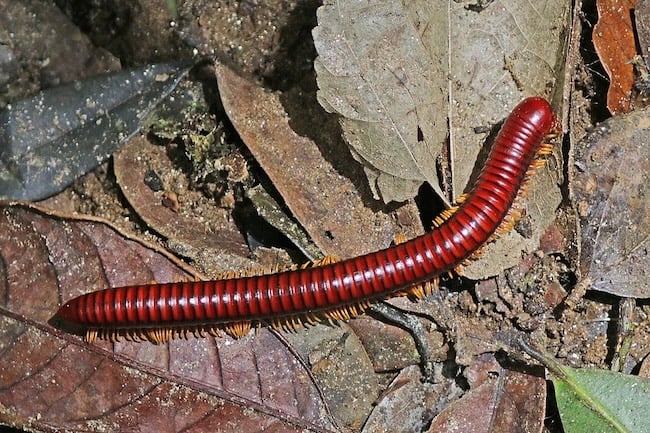
Millipedes are common seasonal visitors, especially in damp or rainy weather, and they can easily be mistaken for other multi-legged pests, such as centipedes or pill bugs.
While millipedes typically prefer living outdoors in soil and leaf litter, certain conditions may lead them to wander inside or gather in noticeable numbers around patios, garages, basements, and garden beds. Spotting millipede infestation early can help you stay ahead of moisture issues, make your yard less inviting to them, and keep your home more comfortable.
In this guide, we’ll go over what millipedes look like, where they tend to gather, the signs that they’re around, how to get rid of millipedes and prevent future infestations, and when it may be a good time to reach out for professional support.
What Are Millipedes?
Millipedes are slow-moving, segmented arthropods commonly found in damp outdoor environments, such as mulch beds, leaf piles, compost, and soil. Their bodies are long and cylindrical, with many small legs that help them move steadily through organic material.
Despite their name, millipedes don’t actually have a thousand legs, but they do have 2 pairs of legs per body segment, which is one of the easiest ways to tell them apart from centipedes. Outdoors, millipedes help break down decaying organic material, contributing to natural soil processes.
They depend on moisture, so they typically remain outside in areas with consistent humidity. When conditions shift—for example, after periods of heavy rainfall or during hot, dry weather—millipedes may gather in larger numbers near foundations or occasionally move indoors in search of suitable conditions.
Signs of a Millipede Infestation Indoors
Millipedes generally remain outdoors, but certain conditions may lead to noticeable activity inside. Common indoor signs include:
- Seeing multiple millipedes near baseboards, entry doors, or garage thresholds.
- Finding curled-up or dried millipedes along walls or near floor edges.
- Millipedes are appearing after heavy rain or high humidity outdoors.
- Activity in damp indoor areas such as basements, laundry rooms, or utility spaces.
- Millipedes clustering around floor drains, sump pump areas, or cracks in concrete floors
- Discovering millipedes near moisture sources like water heaters, pipes, or washing machines.
- Finding them near gaps around exterior doors, windows, or foundation openings.
Signs of a Millipede Infestation in Your Garden
Outside, certain conditions and visual cues may suggest that millipedes are active in your yard and nearby landscaped areas. These signs can help you understand when their numbers may be increasing:
- Millipedes gathering beneath mulch, stones, planters, or garden boards.
- Frequent sightings in compost piles, leaf buildup, or thick organic debris.
- Light surface feeding on tender seedlings or soft, newly sprouted plant tissue in damp beds.
- Millipedes appear in shaded garden corners or along foundation plantings.
- Groups of millipedes are seen along patios, pathways, retaining walls, or edges of garden beds after rainfall.
- Millipedes emerge from the soil when moving pots or turning garden mulch.
- Activity inside moist areas around landscape timbers, stacked firewood, or dense vegetation.
What Causes Millipede Infestations?
Several environmental and structural factors can increase millipede activity around homes and gardens. These are the most common reasons you may start seeing more of them:
- Excessive moisture near the foundation or landscape beds: Millipedes are drawn to moist, cool, shaded areas rich in decaying plant material. Saturated soil along a home’s foundation or under mulch can create prime conditions.
- Heavy rainfall followed by dry conditions: A sudden rain event can flood the millipedes’ outdoor refuge. Afterwards, as conditions dry or the soil becomes crowded, they may migrate into higher or drier ground, including the edges of buildings.
- Thick mulch, leaf litter, or organic debris against the home: Layers of mulch, piles of leaves, stone borders, and similar landscape features that rest against the foundation or siding provide shelter, food, and moisture retention for millipedes.
- Poor drainage or over-watering in garden beds: When irrigation, downspouts, or landscaping allow water to accumulate near the foundation, yards become inviting environments for millipedes to thrive and gain access to structures.
- Entry points in the home exterior and foundation: Cracks, gaps, door thresholds, expansion joints, and other weak points serve as access routes for millipedes migrating in search of shelter.
- Seasonal migrations and changing weather: Millipedes often move in large groups during spring and fall or when outdoor conditions become unfavorable (either too dry or too wet). They may appear in homes and around foundations during these periods.
Are Millipedes Dangerous?
Millipedes are not aggressive to people or pets, and they do not bite or sting. However, when they feel threatened, they can release a defensive fluid that may irritate skin or eyes and can leave temporary staining on surfaces.
When a large number of millipedes enter a home, this fluid release can create an unpleasant odor and may cause discomfort if touched accidentally.
While millipedes themselves do not damage structures, large infestations can be stressful and disruptive, especially when they appear in living spaces, near children or pets, or around stored belongings.
Outdoors, millipedes may chew on tender seedlings in very damp areas. This can cause young plants to wilt, curl, or show small bite marks, especially in newly planted garden beds.
7 Ways to Get Rid of Millipedes and Keep Them Out of Your House
If you notice millipedes around your home or in your living spaces, addressing the issue early can help prevent the problem from spreading. The 7 ways below can help reduce conditions that attract millipedes and limit their ability to enter your home.
1. Remove millipedes promptly
Sweep or vacuum any millipedes you see indoors. Avoid crushing them by hand, as they may release a fluid that can irritate skin and leave stains. Empty the vacuum outside to prevent odors or re-entry.
2. Reduce moisture indoors
Millipedes thrive in damp areas. Improve airflow and dry wet spots. Fix leaking pipes or appliances, wipe up moisture under sinks, and consider using fans or a dehumidifier in basements, crawl spaces, and laundry rooms.
3. Adjust outdoor watering habits
Over-watering lawns or gardens may create ideal conditions for millipedes. Water early in the morning so the soil dries during the day, and avoid letting sprinklers soak the foundation. Check irrigation systems for leaks or over-spraying.
4. Clear outdoor debris and mulch
Remove damp layers where millipedes hide, such as leaves, grass clippings, and rotting wood. Pull mulch a few inches away from the foundation and keep garden beds tidy. If mulch is very thick, consider switching to a thinner layer or replacing water-retaining materials with alternatives, such as stone, in problem areas.
5. Store items off the ground
Elevate firewood, garden pots, and storage bins so they are not directly on the ground or in contact with the home. Millipedes may hide underneath items and follow them toward the house.
6. Seal entry points around the home
Inspect and seal cracks or gaps millipedes may use to enter. Install door sweeps, repair worn weather-stripping, and seal spaces around utility pipes. Pay extra attention to garage doors and basement access points.
7. Improve drainage and redirect water
Check that gutters and downspouts move water away from the home. Consider longer downspout extensions if puddling occurs near the foundation. Grade the soil so water flows away from the house rather than toward it.
When to Call Professional Pest Control
If you have already tried the suggestions above and the situation still seems to be getting worse, then it may be time to call a pest control professional. In cases like this, there may be factors you can’t easily identify on your own.
Pest control professionals know how to look for hidden issues and understand the subtle conditions that may be encouraging millipedes to stay nearby or enter the home.
They also have tools and experience for locating and addressing concerns that aren’t always visible to homeowners. Getting help sooner rather than later can make the situation easier to manage and bring peace of mind.
Protect Your Home from Millipedes with Pest Control Experts
If you’re still seeing millipedes after drying damp areas, cleaning up mulch and leaves, and closing small gaps around your home, the problem may be harder to fix on your own. Millipedes can appear in large numbers when conditions are right, and waiting may let the issue spread to more areas around your home.
Pest Control Experts connects you with local pest control professionals who can help identify where millipedes are coming from and determine which steps may help manage the issue in areas that are reasonably accessible around your property.
Don’t wait until millipedes continue spreading through entry points or begin showing up in more areas. Request a quote today and take steps to help keep your home comfortable and protected from ongoing millipede activity.
Frequently Asked Questions About Millipede Infestations
Here are some commonly-asked questions from homeowners about having millipedes in your home.
A: Millipedes can live for several years in outdoor environments with the right moisture and shelter. Indoors, they typically survive only a short time because the air is too dry.
A: When a Millipede is touched or disturbed, it often curls into a tight spiral. This behavior serves as a defensive mechanism. By curling up, the millipede shields its many vulnerable legs and softer underside behind its hard exoskeleton, making it harder for predators (or other threats) to injure it.
A: It’s often best to focus first on reducing moisture and limiting entry points. If millipedes continue to appear in large numbers, a pest professional can help determine the appropriate treatment options for your home.