
How to Identify & Get Rid of the 3 Types of Moths in Your Home
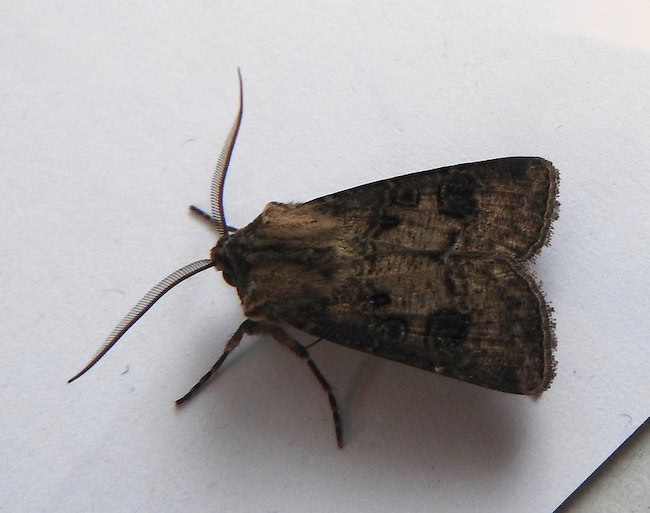
Moths may not be as fear-inducing as spiders or scorpions, but they can still create major headaches for homeowners. From feasting on your favorite sweaters to contaminating your pantry, different types of moths can cause damage in surprising ways.
Read on to learn the most common types of moths you might encounter indoors, why they’re in your home, and most importantly, how to get rid of moths efficiently, plus essential tips to prevent future infestations!
What Are Moths?
Moths are a diverse group of insects closely related to butterflies, belonging to the order Lepidoptera. Unlike butterflies, moths typically have more muted colors and feathery or thread-like antennae. They usually rest with their wings open or flat against surfaces, often favoring dark, quiet spaces to settle and reproduce.
Moths are typically nocturnal creatures, most active at night, and are known for their scaled wings that come in a wide variety of shapes, sizes, and colors. While many moth species play important roles in ecosystems as pollinators and as a food source for other animals, some species can become household pests.
Why Do You Have Moths in the House?
Moths usually appear for one of two reasons. First, they are seeking shelter and food. Moths are drawn to dark, undisturbed areas where food, fabric, or organic materials are present. Second, they can hitchhike indoors. Eggs or larvae often enter homes with pantry items, secondhand clothing, rugs, or upholstered furniture.
Once inside, the issue can quickly escalate as moths reproduce rapidly, especially during the warmer months. Though adult moths don’t sting or bite and usually cause little direct harm, their larvae can be highly destructive, damaging fabrics and food with relentless feeding.
3 of the Most Common Types of Moths Found in the House
When it comes to types of moths indoors, there are two broad categories: fabric moths and pantry moths. Let’s break down the most common species you might find:
1. Clothes Moths
Clothes moths are the most notorious types of moths found inside homes, with two main species to watch out for: the webbing clothes moths and the casemaking clothes moth. Both are small, with a wingspan of about half an inch, and generally beige or light brown in color. But their appearances and habits differ in a few key ways.
The webbing clothes moth has a solid, golden-beige body and silky wings without markings. It’s often seen flying slowly around dark, undisturbed areas. The casemaking clothes moth, on the other hand, has mottled wings with faint dark spots and is slightly darker overall.
Most notably, the larvae of casemaking clothes moths build and carry around portable silk “cases” made of fibers and debris from the materials they’re feeding on. These tube-like cases provide camouflage and protection and are often found clinging to infested clothing or upholstery.
Both types of clothes moths are drawn to quiet, undisturbed spaces, such as closets, drawers, and storage bins, especially those containing natural fibers. Their larvae feed on materials rich in keratin, a protein found in animal-based fibers such as wool, silk, fur, feathers, and even upholstered furniture.
2. Pantry Moths
Pantry moths, also called Indian meal moths, are a common type that targets stored food. You’ll often find these moths fluttering near your kitchen or pantry. Their larvae infest dry goods, including flour, cereal, rice, nuts, dried fruits, and pet food.
Adult pantry moths have distinctive copper-colored wings with darker tips, and a wingspan of around 3/4 inch. While the adults don’t eat food themselves, the larvae contaminate stored products with silk webbing, feces, and shed skins, making the food inedible.
Infestations usually start when moth eggs are accidentally brought in on groceries. Pantry moth larvae often hide in cracks, crevices, or within food packaging, which is why infestations can go unnoticed until visible damage or the presence of adult moths is evident.
3. Brown House Moths
The brown house moth is another common pest that invades homes, particularly in temperate climates. They are slightly larger than clothes moths but have darker, mottled brown wings, which helps them blend into wooden surfaces and corners.
Brown house moth larvae have a more varied diet compared to clothes moths. They feed on a range of natural materials, including wool, fur, feathers, leather, and even dried food. Their larvae tend to hide in cracks, crevices, and in stored items such as carpets, upholstery, and food.
As they feed, the larvae produce silk webbing that clings to and damages the materials they infest, compounding the destruction. These moths, like many household pests, are drawn to dark, low-traffic areas such as basements, attics, and storage rooms, where they can remain unnoticed while they multiply.
5 Signs You Have Different Types of Moths in the House
Identifying the types of moths invading your home requires careful observation of both the moths and the damage they cause. Start by looking for:
- Flying moths indoors: Spotting moths fluttering around your home, especially at night, is a strong sign that an infestation has matured. Clothes moths typically reside near closets or laundry rooms, while pantry moths tend to inhabit kitchens and areas where dry food is stored. These adults are searching for mates and places to lay eggs, which means their larvae aren’t far behind.
- Holes in clothing or fabric: Tiny, irregular holes in wool, silk, cashmere, or fur items often indicate the presence of clothes moth larvae. These pests are particularly attracted to garments that have been stored for extended periods without being disturbed. Pay close attention to areas where larvae tend to hide, such as cuffs, collars, and underarms.
- Webbing or clumps in dry food: Pantry moth larvae leave behind fine silk webbing in dry goods, such as flour, cereal, grains, rice, nuts, and even pet food. You may notice clumps or a sticky texture in food products, indicating contamination.
- Larvae, sheds, or frass (droppings): All types of moth larvae leave behind signs of their presence. You might see tiny white or beige larvae crawling on fabrics or in food containers, along with shed skins and small droppings. These are common in dresser drawers, the backs of closets, or along pantry corners.
- Unusual odors: A musty, stale smell in closets, drawers, or storage bins can also be a warning sign, especially if clothes have been stored away for a while. Over time, the presence of larvae, webbing, and droppings can cause this lingering odor, particularly in fabrics.
How to Get Rid of Moths in Your Home in 6 Steps
The next step of dealing with a moth infestation is knowing how to get rid of moths efficiently. Different moth types require tailored approaches, but there are general guidelines that you can follow:
1. Discard Infested Items Immediately
The first step in getting rid of moths in the house is to remove anything that’s already infested. For pantry moths, discard any dry food items with webbing, clumps, or larvae. For clothes moths, bag and remove any damaged clothing, blankets, or fabric items.
2. Deep Clean All Affected Spaces
Moths lay eggs in dark, undisturbed corners, so vacuum everywhere: the back of closets, inside dresser drawers, along pantry shelves, behind furniture, and under rugs. Use a crevice tool to get into seams and tight spaces.
After vacuuming, immediately empty the vacuum canister or bag into a sealed trash bag and dispose of it outdoors to prevent eggs or larvae from hatching inside. Then wipe down all surfaces with warm, soapy water or a 50/50 vinegar-water solution. This helps remove any remaining eggs and neutralizes the scent trails that attract more moths.
3. Wash or Dry Clean Clothes
Even if your clothes look untouched, moth eggs can be invisible to the eye. Wash everything that was stored in the same area as the damaged items. Use hot water and high heat in the dryer, as moth eggs and larvae can survive cooler temperatures.
For delicate or dry-clean-only garments, take them to a professional cleaner who can treat the items without causing damage. Don’t forget to throw pillows, blankets, and fabric storage bins if they were near infested clothing.
4. Freeze Items You Don’t Want to Wash
Some textiles, such as vintage wool coats, cashmere sweaters, or family heirlooms, can’t withstand hot water or professional cleaning. In those cases, freezing is another alternative. Place the item in a sealed plastic bag, removing as much air as possible, and put it in your freezer for at least 72 hours.
The freezing temperature kills both eggs and larvae without affecting the fabric. Once removed, let the item return to room temperature before unsealing the bag to avoid moisture buildup.
5. Use Moth-Specific Pheromone Traps
After cleaning and removing infested materials, it’s time to monitor and trap adult moths. Pheromone traps attract male moths using a species-specific scent and trap them on a sticky surface. This interrupts reproduction and helps you gauge whether moths are still active in your home.
Be sure to use the right kind: traps for pantry moths won’t work on clothes moths, and vice versa. Place clothes moth traps in closets, under beds, or in storage bins. Pantry moth traps should go on pantry shelves or near dry food storage. These traps are not a standalone solution, but they’re a powerful tool for figuring out how to get rid of moths in the long term.
6. Steam Clean Carpets, Upholstery, and Rugs
Vacuuming is great for surface-level cleanup, but if moths have infested your carpets or upholstered furniture, you need a stronger solution. Steam cleaning penetrates deep into fibers and uses high heat to kill eggs and larvae that are otherwise difficult to reach.
Focus on hidden or undisturbed areas, such as under furniture, along baseboards, between couch cushions, and the undersides of rugs. Steam is especially practical when dealing with brown house moths or clothes moths, which tend to lay eggs in dark, fibrous materials.
7 Tips to Prevent Different Types of Moths in the House
After knowing how to get rid of moths, preventing them in your home means staying on top of storage, hygiene, and smart habits. Here’s how to do it:
- Store food in airtight containers: Use sealed glass, metal, or thick plastic containers for pantry staples like flour, oats, pasta, and cereal. Thin packaging like cardboard or plastic bags won’t stop pantry moths from chewing through and laying eggs inside.
- Inspect groceries before storing: Look closely at bulk grains, rice, nuts, and even pet food for tiny holes, silky webbing, or larvae. Pantry moths often infest food at the store or warehouse before you even bring it home.
- Clean pantries and cabinets regularly: Vacuum shelves, corners, and baseboards monthly to remove crumbs, spills, and forgotten food.
- Wash and rotate stored clothing: Clothes moths target dirty clothes. Always wash sweaters, scarves, and wool coats before storing them. Every few months, open the bins or bags to shake out the items, as movement disrupts the moth larvae.
- Use sealed storage for natural fibers: Use airtight bins or zippered garment bags for wool, silk, cashmere, and fur. Never store items that are damp, stained, or unwashed, as these conditions invite larvae.
- Use cedar or lavender as natural repellents: Add cedar blocks or lavender sachets to drawers and closets. These may help discourage adult moths from laying eggs in your fabrics. Replace or refresh the scent every couple of months.
- Check secondhand items before bringing them inside: Vacuum and inspect used furniture, coats, or rugs carefully.
When to Call a Professional Pest Control Service?
If you’ve done everything you can, such as thorough cleaning, proper storage, and natural repellents, but moths keep returning, it may be time to call in a professional pest control service. Rapidly spreading infestations or those that reappear within weeks often signal the need for more intensive treatment.
Experts can accurately identify the specific types of moths infesting your home and find hidden breeding sites that are often missed during regular cleaning. Licensed pest control specialists can also provide targeted solutions and long-term prevention, making it easier for you to finally know how to get rid of moths for good.
Pest Control Experts can connect you with local pest control services that specialize in how to get rid of moths using professional-grade treatments.
Contact us today for a quote and gain peace of mind knowing your home and belongings are protected from further damage.
Frequently Asked Questions About the Different Types of Moths in the House
Have more questions about moths in the house? We answered some of the most commonly asked questions about moths below:
A: Synthetic fabrics, such as polyester, nylon, acrylic, and spandex, generally do not attract moths because they lack the natural proteins that attract these pests, making them much less likely to suffer damage.
Moreover, when synthetic fibers are blended with natural ones, such as in wool-polyester blends, the presence of synthetic material can sometimes discourage moth larvae from feeding on the fabric as a whole. This is because the larvae encounter a less consistent food source, which can inhibit their growth and reduce damage.
A: Without intervention, moth infestations can last for months or even years. Adult moths lay eggs in hidden areas, and their larvae can remain active for weeks as they feed and grow.
If you don’t fully remove larvae, eggs, and food sources, moths will keep cycling through generations. Even if adults disappear temporarily, larvae may still be active behind the scenes.
A: Most outdoor moths are attracted mainly to light and do not feed on your food or clothing. They don’t cause the same damage as pantry or clothes moths. However, leaving windows or doors open at night without screens can allow them to enter your home.
While many won’t survive long indoors without access to natural food sources or ideal conditions, some may find their way into pantries, closets, or storage bins. Regularly checking entry points and keeping indoor lights off near open windows can help prevent this from happening.