Special OfferCall Now & Get $50 Off1 Pest Control2 or Quick Guard Mosquito Service3 or Save 10% on a termite plan4
Almost done. Just a few more details to get started.
Find Affordable, Expert Pest Exterminator in Atlanta, Georgia
Atlanta's established neighborhoods sit beneath a dense urban tree canopy, from Grant Park and Inman Park to the West End. Just west of Decatur in the Atlanta metro area, older homes often combine mature landscaping with crawl spaces, porch foundations, and utility openings that deserve close attention.
Rats, cockroaches, and termites can exploit conditions that stay unnoticed behind walls or below floors. Our preferred exterminators can help identify evidence of activity and recommend appropriate next steps. Terminix is an option for property owners who want professional help evaluating persistent pest problems before damage or disruption grows.
Terminix keeps your Atlanta home safe from intrusive pests
Terminix will prevent common household pests from entering your home, keeping your family safe.
Our services ensure that you have a clean, pest-free home without the worries of finding pests in your morning cereal. Everyone's familiar with the act of spraying, but there is a lot more to our experts' pest control services, including:
At Pest Control Experts, we want to make sure getting top-notch service and a pest-free home is easy for you? Once you give us a call, we can get you started with a free inspection with one of our preferred pest exterminators in Atlanta, Georgia. They will create a customized plan to create your home for all pests including termites, roaches, and more.
With our exterminators in Atlanta you'll receive
Free Inspection
Expert Technicians
Local Experts
Custom Treatment Plan
Zip Codes We Service In Atlanta, GA
30303
30304
30305
30306
30307
30308
30309
30310
30311
30312
30313
30314
30315
30316
30317
30318
30319
30324
30326
30327
30328
30329
30330
30331
30332
30334
30336
30337
30338
30339
30340
30341
30342
30344
30345
30346
30349
30350
30354
30360
30361
30363
The Value of Pest Control in Atlanta
Finding the right Atlanta pest control provider isn’t always easy - from pricing to scheduling to consistency, there are a lot of concerns that need to be addressed.
With the right service provider, you’ll get the pest-free home you deserve, and with Termini, we’re here to do just that.
Atlanta's historic neighborhoods contain many homes whose foundations and utility systems have changed through decades of renovation. Around Grant Park, Inman Park, and the West End, enclosed porches, original crawl spaces, and newer additions may create concealed connections between soil and structural wood. Subterranean termites can use protected pathways to reach these areas, especially when poor drainage leaves soil consistently damp. American cockroaches may enter through plumbing openings or sheltered lower levels. The dense tree canopy can slow drying around shaded foundations, but the main inspection concern is how moisture and exterior conditions interact with individual building details. A renovated kitchen or modern exterior finish does not necessarily reveal problems beneath older floors.
Atlanta's adjoining communities of Decatur, East Point, Brookhaven, and Sandy Springs share the region's humid climate, but Atlanta's close overlap of historic housing, wooded residential blocks, and busy mixed-use streets creates varied inspection needs. Along the BeltLine and streets surrounding Midtown, restaurants and residential buildings often occupy neighboring parcels, sometimes with limited separation between service areas and outdoor living spaces. Rats may travel along sheltered walls, waste storage areas, and connected building exteriors before entering through damaged vents or roof openings. Unlike more widely spaced suburban properties, an Atlanta building may require investigation of adjoining service spaces to understand recurring activity. Owners should document sightings, inspect accessible structural openings, and distinguish an indoor infestation from occasional outdoor movement before selecting corrective work.
Bio-Rational Materials
Bio-rational pest management begins with identifying where pests are active and selecting measures suited to those conditions. In Atlanta's older homes, repairing openings and addressing concealed moisture may be necessary alongside targeted treatment. Some materials offer more selective effects than conventional approaches, but their suitability depends on the pest, location, and label directions. Lower-impact options should be evaluated individually rather than assumed harmless or effective in every setting.
Commercial EcoControl
For Atlanta businesses operating in mixed-use buildings, Commercial EcoControl emphasizes coordination between pest management and daily property operations. Integrated pest management begins with examining receiving areas, shared refuse facilities, utility connections, and maintenance records. Correcting sanitation or structural deficiencies can interrupt recurring activity. Where verified infestations require treatment, decisions should account for the identified pest, tenant arrangements, and occupied spaces. Recording findings across adjoining businesses can also help clarify responsibility for prevention without relying on repeated, indiscriminate applications.
FAQs About Pest Control in Atlanta
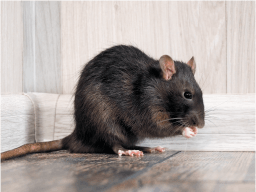
A: Scratching above ceilings after dark, fresh droppings near attic access points, and gnaw marks on stored materials may indicate indoor activity. Avoid disturbing droppings and arrange an inspection if these signs persist.
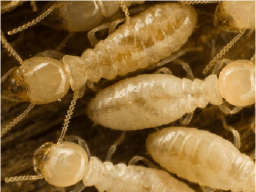
A: Termite swarmers generally have straight antennae, a broad waist, and two pairs of similarly sized wings. Flying ants have elbowed antennae, a narrower waist, and unequal wing pairs. An intact specimen can help confirm identification.
A: Report repeated sightings, unexplained wall noises, or evidence in shared spaces promptly. Include the unit, room, date, and photographs when possible so management can assess whether neighboring areas need attention.
A: Describe planned demolition, areas where floors or walls will be opened, and any previous pest findings. Ask Terminix whether evaluating suspicious areas before renovation could help establish the extent of activity and prevent evidence from being concealed.