Special OfferCall Now & Get $50 Off1 Pest Control2 or Quick Guard Mosquito Service3 or Save 10% on a termite plan4
Almost done. Just a few more details to get started.
Find Affordable, Expert Pest Exterminator in Sandy Springs, Georgia
Sandy Springs follows the Chattahoochee River north of Atlanta, with wooded residential slopes and busy commercial corridors near Perimeter Center. Beside Dunwoody in the Atlanta metropolitan area, homes range from established properties on larger lots to multifamily buildings.
Wooded boundaries, drainage features, and building access points may contribute to rodent, ant, or termite problems. Our recommended exterminators can help evaluate these conditions and identify appropriate responses. Terminix offers a professional option for homeowners and commercial property managers facing recurring pest activity.
Terminix keeps your Sandy Springs home safe from intrusive pests
Terminix will prevent common household pests from entering your home, keeping your family safe.
Our services ensure that you have a clean, pest-free home without the worries of finding pests in your morning cereal. Everyone's familiar with the act of spraying, but there is a lot more to our experts' pest control services, including:
At Pest Control Experts, we want to make sure getting top-notch service and a pest-free home is easy for you? Once you give us a call, we can get you started with a free inspection with one of our preferred pest exterminators in Sandy Springs, Georgia. They will create a customized plan to create your home for all pests including termites, roaches, and more.
With our exterminators in Sandy Springs you'll receive
Free Inspection
Expert Technicians
Local Experts
Custom Treatment Plan
Zip Codes We Service In Sandy Springs, GA
30328
30342
30350
The Value of Pest Control in Sandy Springs
Finding the right Sandy Springs pest control provider isn’t always easy - from pricing to scheduling to consistency, there are a lot of concerns that need to be addressed.
With the right service provider, you’ll get the pest-free home you deserve, and with Termini, we’re here to do just that.
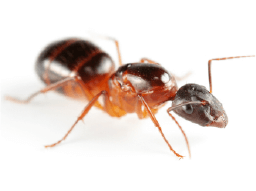
Steep wooded lots are a defining feature of many Sandy Springs neighborhoods near the Chattahoochee River and Northside Drive. Homes may sit above retaining walls or beside landscaped drainage channels that direct water across sloping ground. Where soil remains damp against wood or masonry, subterranean termites can find favorable conditions for concealed access. Carpenter ants may use moisture-damaged wood for nesting, although they do not consume it as termites do. Rodents can travel along fences, vegetation, and connected rooflines before locating attic openings. These conditions make inspection of the entire property edge important, particularly when exterior stairs, decks, or retaining structures conceal sections of the foundation. Summer storms can expose drainage failures that remain less noticeable during dry periods.
Nearby Roswell, Dunwoody, Brookhaven, and Chamblee also contain wooded residential streets, but Sandy Springs has a pronounced contrast between river-adjacent homes and the concentrated offices, apartments, and retail activity around Perimeter Center. Commercial properties often face different pest concerns from hillside residences because refuse handling, shared walls, and service entrances can influence access and shelter. In mixed-use buildings, sightings should be connected to specific floors, rooms, or delivery areas before planning a response. Property owners should distinguish structural moisture concerns from ordinary outdoor insect activity. Inspecting upper roof connections and lower foundation areas together is particularly useful where elevation changes allow pests to approach a building from several levels.
Bio-Rational Materials
Lower-impact pest management on Sandy Springs hillside properties begins by separating drainage or structural repairs from the need for treatment. Bio-rational materials may be suitable for certain identified pests, but the location of activity, nearby vegetation, and intended application must guide selection. Addressing water movement and concealed access can reduce recurring problems. Any treatment still requires attention to its label and potential effects beyond the target pest.
Commercial EcoControl
Commercial EcoControl in Sandy Springs can account for the multiple levels of access found in large office and mixed-use buildings. Integrated pest management includes examining loading levels, parking structures, roof connections, landscaped entrances, and shared refuse rooms. Managers can use inspection records to connect recurring activity across floors and coordinate corrective maintenance. Prevention and sanitation remain priorities, with treatment selected for confirmed infestations and the operating conditions of the facility.
FAQs About Pest Control in Sandy Springs
A: Compare where fresh evidence occurs, including attic access points, upper walls, and crawl-space openings. A professional inspection can help establish whether activity involves separate entry routes.
A: Open joints, adjoining vegetation, and voids around retaining structures can offer shelter and travel routes. Check where walls meet stairs, decks, or exterior utility lines without disturbing unstable masonry.
A: Report the location and date to management, and avoid moving unidentified insects between units. A building-wide record helps distinguish a single incident from activity affecting multiple floors.
A: Describe the slope, retaining structures, and sections blocked by decks or exterior stairs. Ask Terminix what access would be needed for an appropriate evaluation and whether a qualified contractor should address any unsafe conditions.