Pest Control in Dublin, Georgia
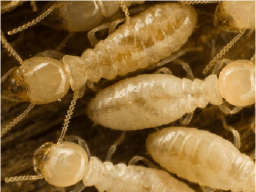
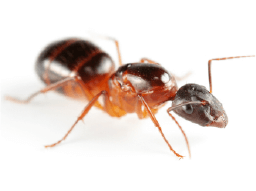
Older buildings in Dublin may contain crawl spaces, porch additions, and concealed areas where structural conditions have changed through years of repairs. Around the historic downtown, aging plumbing connections and wood near foundation soil can create inspection concerns when subterranean termites are suspected. Termites may travel through concealed soil routes without being visible in occupied rooms. An inspection should therefore distinguish actual termite evidence from ordinary deterioration caused by leaks or age. Ants can also enter through cracks near exterior steps and foundation joints, particularly where landscaping provides protected travel routes. These vulnerabilities depend on individual building conditions rather than the age of a neighborhood alone.
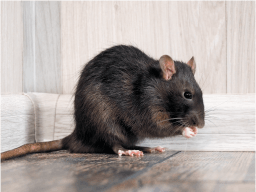
Dublin's relationship with the Oconee River adds another consideration, particularly where drainage patterns affect lower sections of residential lots. Nearby East Dublin, Dudley, Dexter, and Rentz share central Georgia's humid conditions, but Dublin has a greater concentration of older commercial buildings near established river crossings and residential streets. Unlike Bainbridge's broader Flint River floodplain setting, many Dublin property inspections can focus on the connection between traditional construction, enclosed spaces, and localized drainage. After significant rainfall, water may remain near poorly maintained crawl-space entrances or discharge points. Mice can also enter buildings through gaps around older utility connections, particularly where storage conceals openings. Property owners should examine accessible structural areas and distinguish moisture damage from active pest findings before selecting treatment. Preserving older building components while correcting access and drainage problems can help address recurring infestations without unnecessary demolition.
Bio-Rational Materials
Bio-rational materials may provide selective options for identified insects when product restrictions and treatment conditions support their use. In Dublin's older buildings, correcting the underlying structural problem can be as important as selecting a control material. Damp wood, leaking plumbing, and unsealed openings should be evaluated independently from confirmed pest activity. Environmentally mindful management combines appropriate treatment with preventive repairs and responsible product use. No lower-impact designation guarantees that a treatment is harmless or appropriate for every location.
Commercial EcoControl
Commercial EcoControl applies integrated pest management to properties where historic construction and ongoing business operations intersect. Dublin businesses may need to examine service penetrations, storage areas, and concealed moisture around aging structures. Inspections help determine whether pests are entering through building openings or remain established inside. Terminix may be consulted for professional commercial recommendations based on confirmed findings. Corrective repairs, sanitation, and targeted controls can reduce recurrence while limiting unnecessary applications.