Pest Control in Wrightsville, Georgia
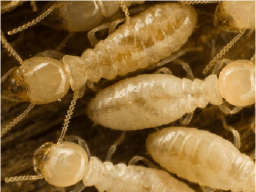
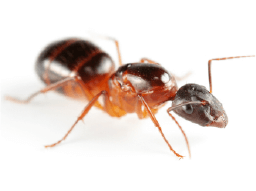
Wrightsville's established town center includes older homes and commercial buildings where maintenance history can be important to pest identification. Exterior woodwork, enclosed porches, and aging foundation areas may conceal moisture that supports subterranean termite activity when suitable soil access is present. Carpenter ants can also investigate deteriorated wooden components, although their nesting behavior differs from that of termites. A property owner finding damaged wood should avoid assuming the cause before insects or other evidence are identified. Inspection should focus on the affected materials, accessible structural connections, and any moisture problems that may have contributed to deterioration.
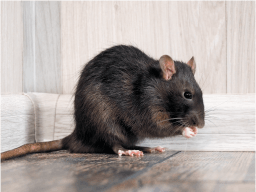
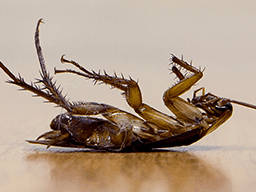
Wrightsville is near Dublin, Sandersville, Tennille, and Adrian, with Macon serving as a larger regional center. Its modest commercial district differs from the more extensive transportation and retail development around Dublin. Rural properties beyond town may include detached workshops and agricultural buildings used intermittently, creating sheltered storage conditions that can attract house mice when resources are available. Within Wrightsville, American cockroaches may appear around neglected drains or damp service areas in older buildings. Warm, humid weather can support insect activity, but structural maintenance determines whether pests gain sustained access indoors. The inspection priorities for an established downtown residence should therefore differ from those for a detached agricultural building. Evaluating each structure's condition and observed evidence helps property owners make more specific decisions without relying on general assumptions about rural pest activity.
Bio-Rational Materials
Bio-rational pest management may provide selective options for certain insects by affecting growth or behavior. Their effectiveness depends on accurate identification, product characteristics, and the approved treatment location. Wrightsville homeowners can ask Terminix whether targeted materials are appropriate and how building repairs or moisture correction might complement treatment. Environmental considerations should follow the specific product rather than broad claims about an entire category of materials.
Commercial EcoControl
Commercial EcoControl uses Integrated Pest Management principles to support prevention and appropriate treatment in operating businesses. Wrightsville's older storefronts and rural service properties may differ in structural access, storage arrangements, and sanitation needs. Inspections should identify active pests and the conditions sustaining them before treatment is selected. Terminix can discuss commercial pest management options with owners seeking practical recommendations for their building's current use. Regular maintenance and clear records of recurring activity can help prevent isolated observations from becoming persistent problems.